
Holiday Hollywood: Iconic Architecture in Christmas Movies
At Vessel Architecture, we believe in the power to create places where people flourish. Great design creates joy, sparks connection, and builds lasting memories. This is especially true in the settings of our most beloved Christmas movies. From glitzy skyscrapers to humble caves, we are transported to places like New York City, the Chicago suburbs, Bedford Falls, northern Indiana, and the little town of Bethlehem. Whether real or imagined, these iconic movie places and structures become characters in their own right, shaping stories of wonder, family, and redemption. Here are some of Vessel’s favorites: 12 of the most iconic pieces of Christmas movie architecture - plus a bonus - that continue to thrill and inspire us with warmth, nostalgia, or madcap holiday insanity.
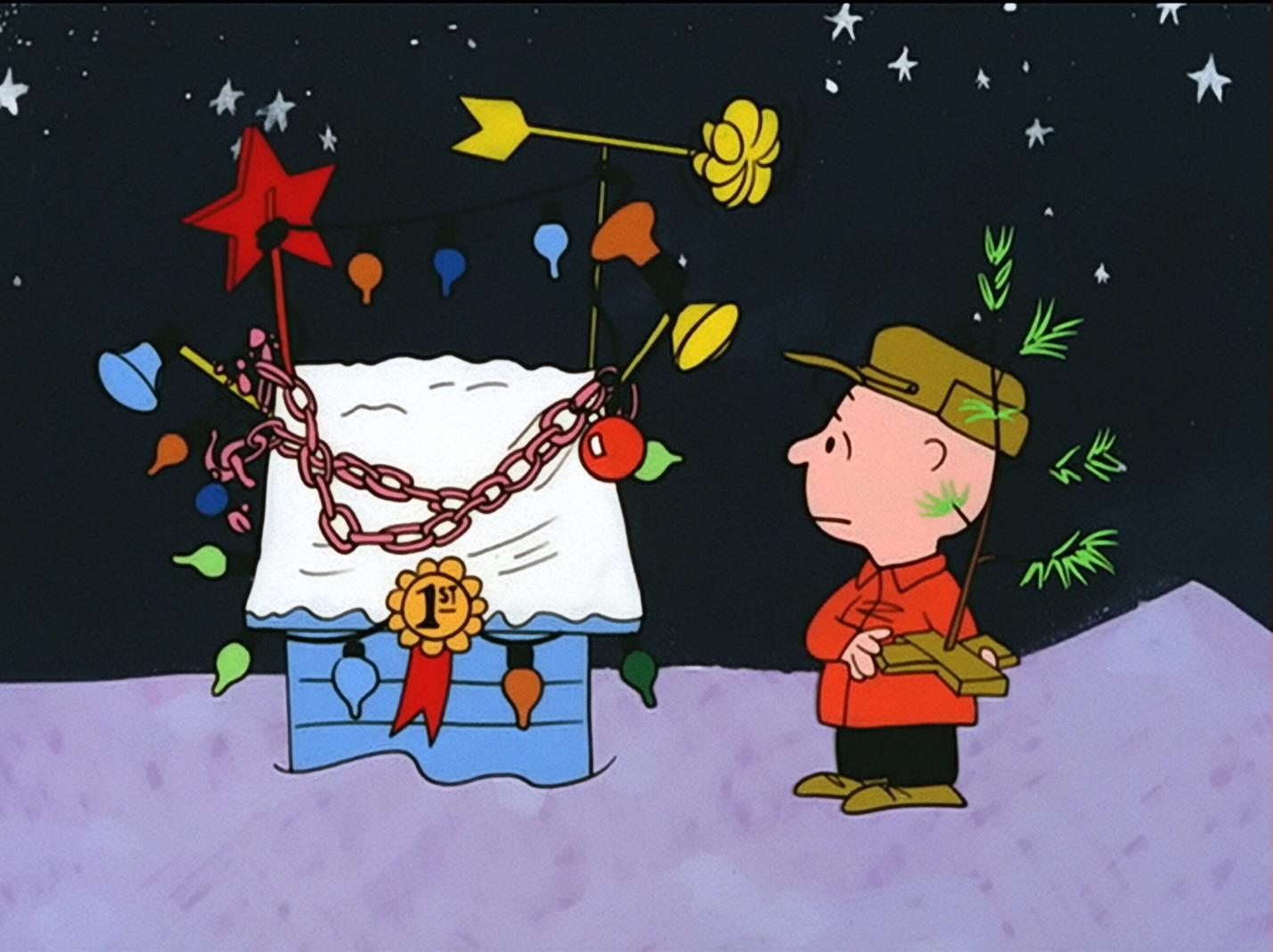
12. Snoopy’s Doghouse (A Charlie Brown Christmas)
This simple red doghouse, comically overloaded with Christmas lights and decorations in the 1965 animated special, stands as a delightful symbol of both holiday excess and innocence. Perched atop it, Snoopy rules amid the twinkling chaos, turning the basic shelter into a beacon of electrical consumption. But in one of the story’s great acts of redemption, the Peanuts crew raid Snoopy’s decorations to transform Charlie Brown’s sad little tree into something glorious. This act of sacrifice reminds us that even the simplest vernacular architecture can contribute to joy and community during the season.
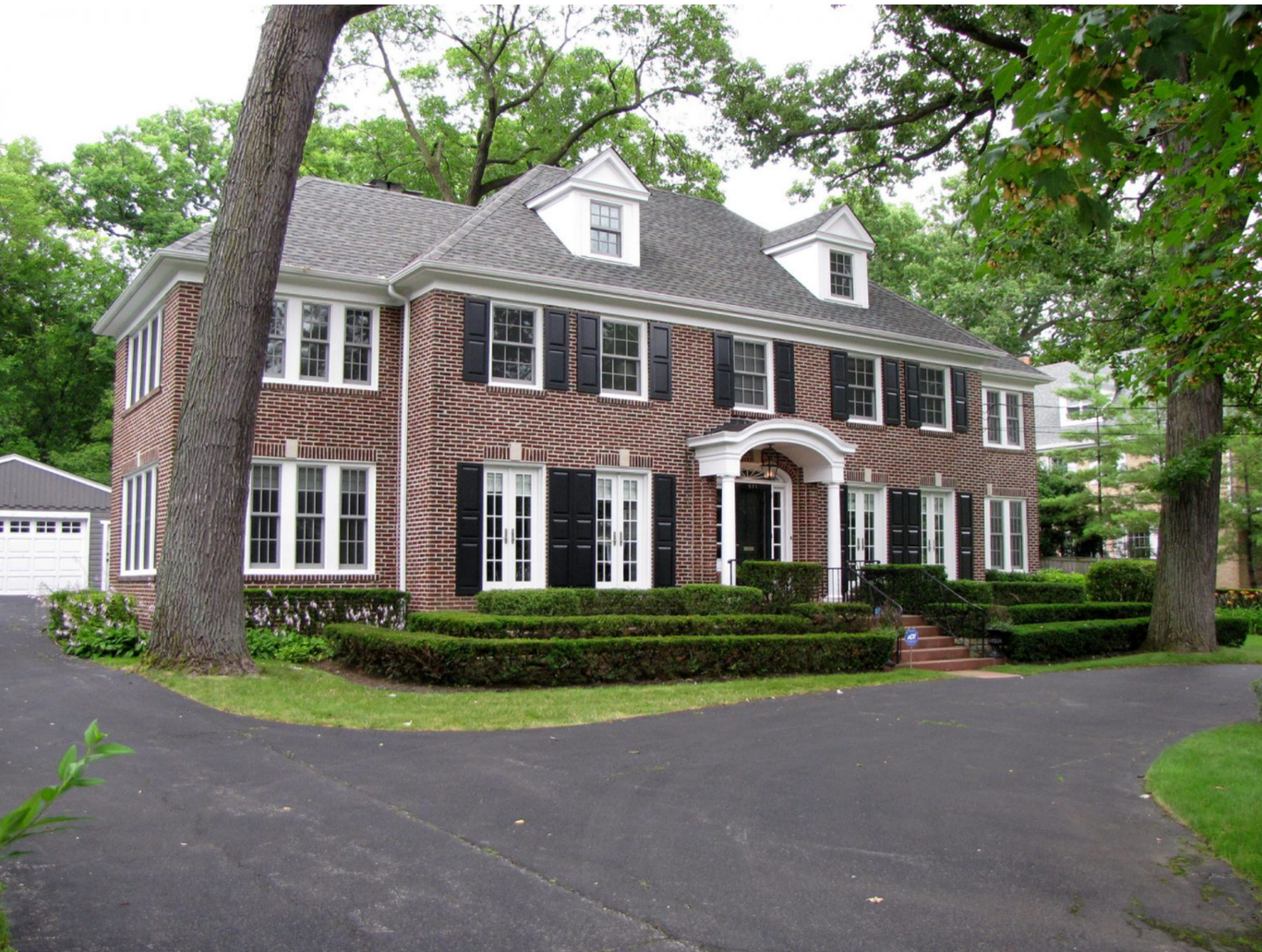
11. The McCallister Residence, 671 Lincoln Avenue, Winnetka, IL (Home Alone)
This is an easy one. The grand Georgian Revival home in suburban Chicago serves as the perfect backdrop for Kevin's booby-trapped adventures; its elegant brick facade and spacious interiors contrasting hilariously with the holiday chaos inside. This real-life residence, with its symmetrical design and welcoming entry, embodies upper-middle-class comfort. It has become a pilgrimage site for fans, proving how architecture can anchor a story's sense of home and protection.
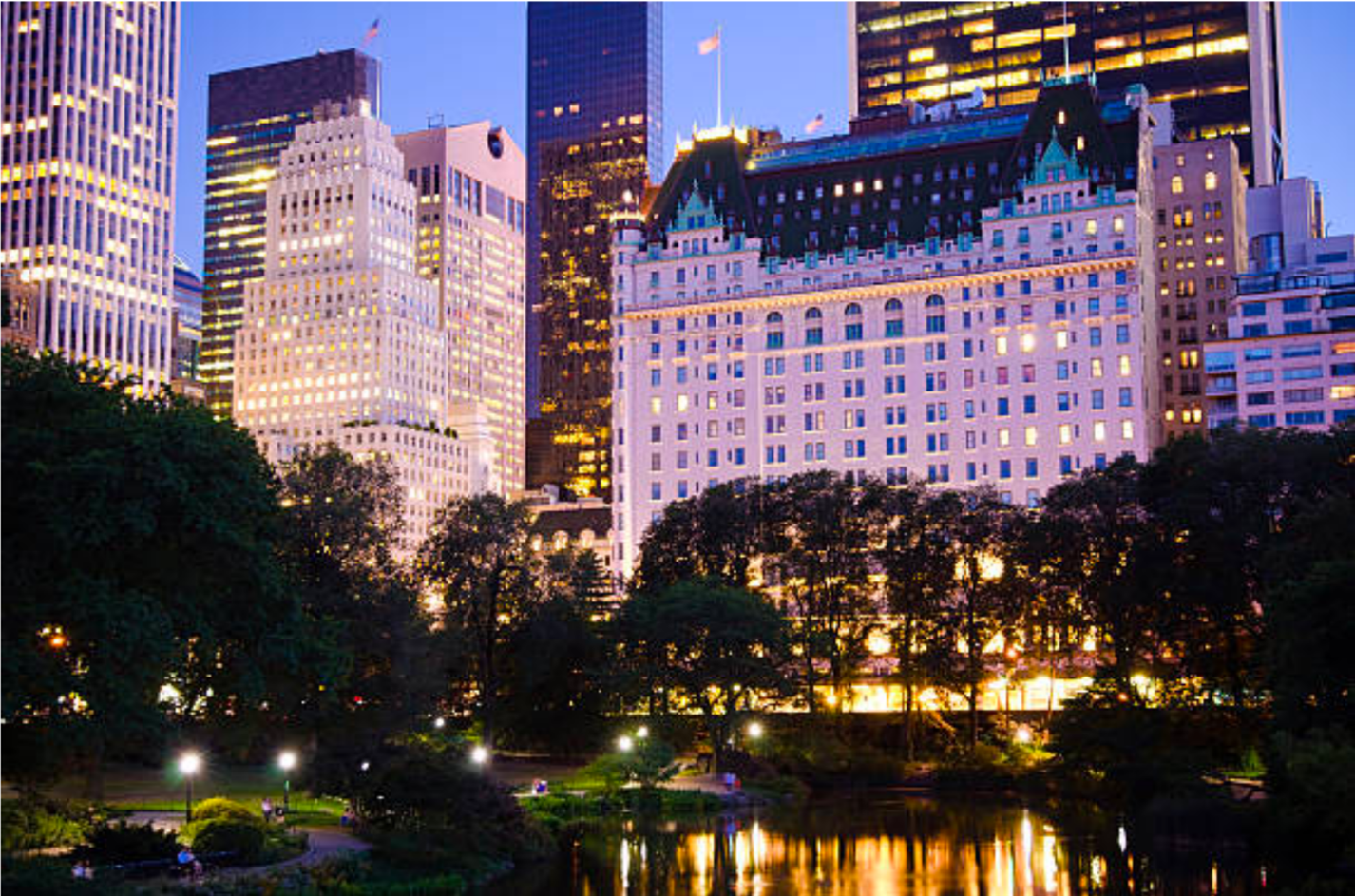
10. The Plaza Hotel, New York (Home Alone 2)
New York's opulent Beaux-Arts landmark provides luxurious grandeur as Kevin navigates its lavish lobbies and suites on his solo adventure. The hotel's iconic palm court and ornate details amplify the magic of a child's independence in the big city. It represents timeless elegance, making holiday escapades feel both extravagant and enchanting.
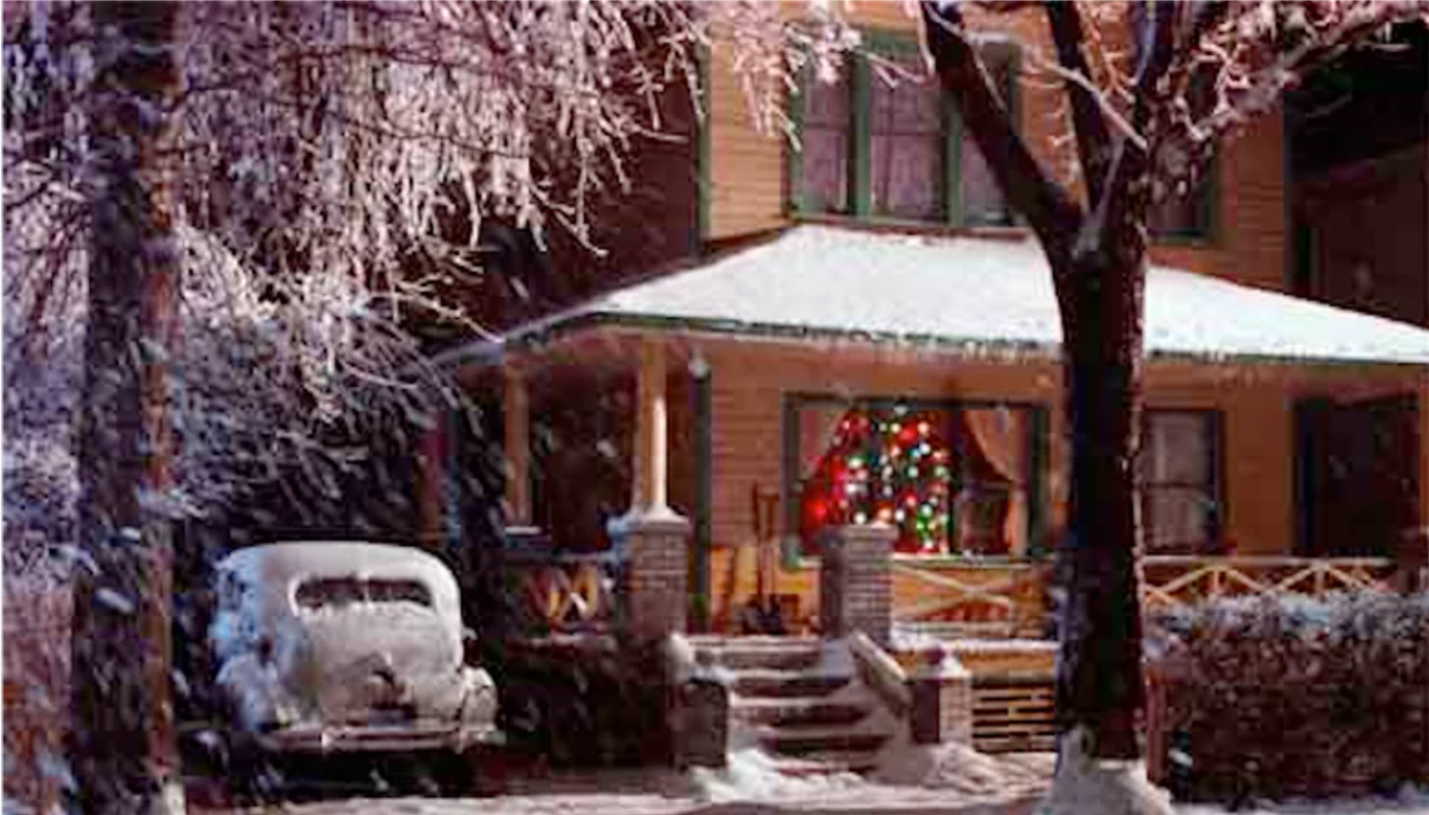
9. The Parker Residence, 3159 W. 11th St., Cleveland, OH (A Christmas Story)
This modest 19th-century Victorian home captures the essence of post-war 1940s middle-class American life, complete with its clinking furnace, family radio, and infamous leg lamp glowing in the window. The house's warm wood interiors and period details transport viewers back to a more innocent time in America, and Ralphie's quest for the “Red Ryder carbine-action 200-shot range-model air rifle, with a compass in the stock and this thing which tells time.” Though the movie was set in an unnamed town in northern Indiana, the Parker house still exists in Cleveland. Now a museum, the home demonstrates how thoughtful preservation can keep architectural stories alive for generations.
8. The Bailey Residence, 320 Sycamore Street, Bedford Falls, NY (It’s A Wonderful Life)
George and Mary's drafty old house, a grand but rundown Victorian transformed through love and community, embodies redemption and gratitude. Its spacious rooms and quirky charm reflect life's imperfections made beautiful through relationships. Mary’s restoration work on the home inspires us to see potential in every structure, and in every relationship.
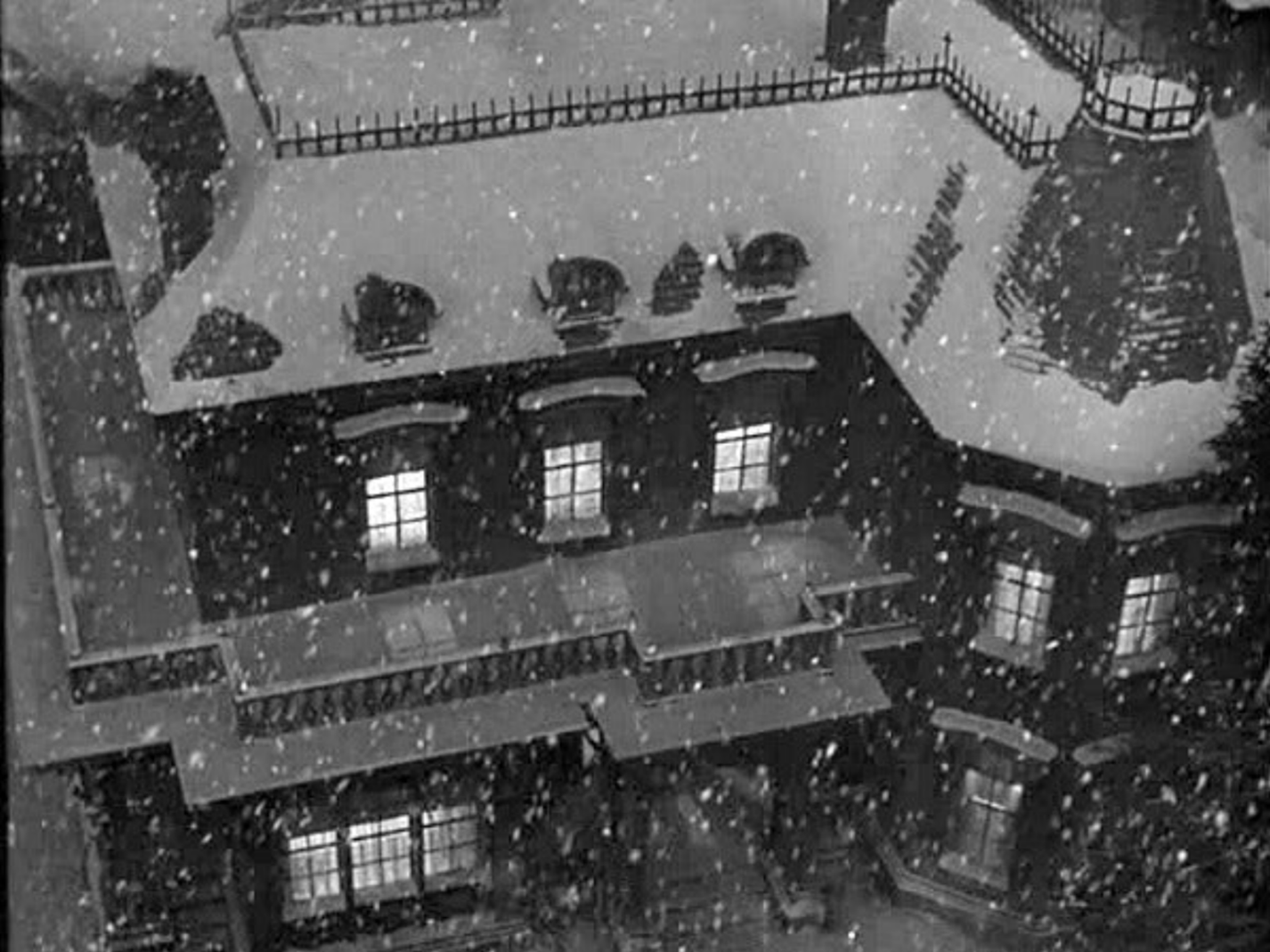
7. Cindy Lou Who’s House (How The Grinch Stole Christmas)
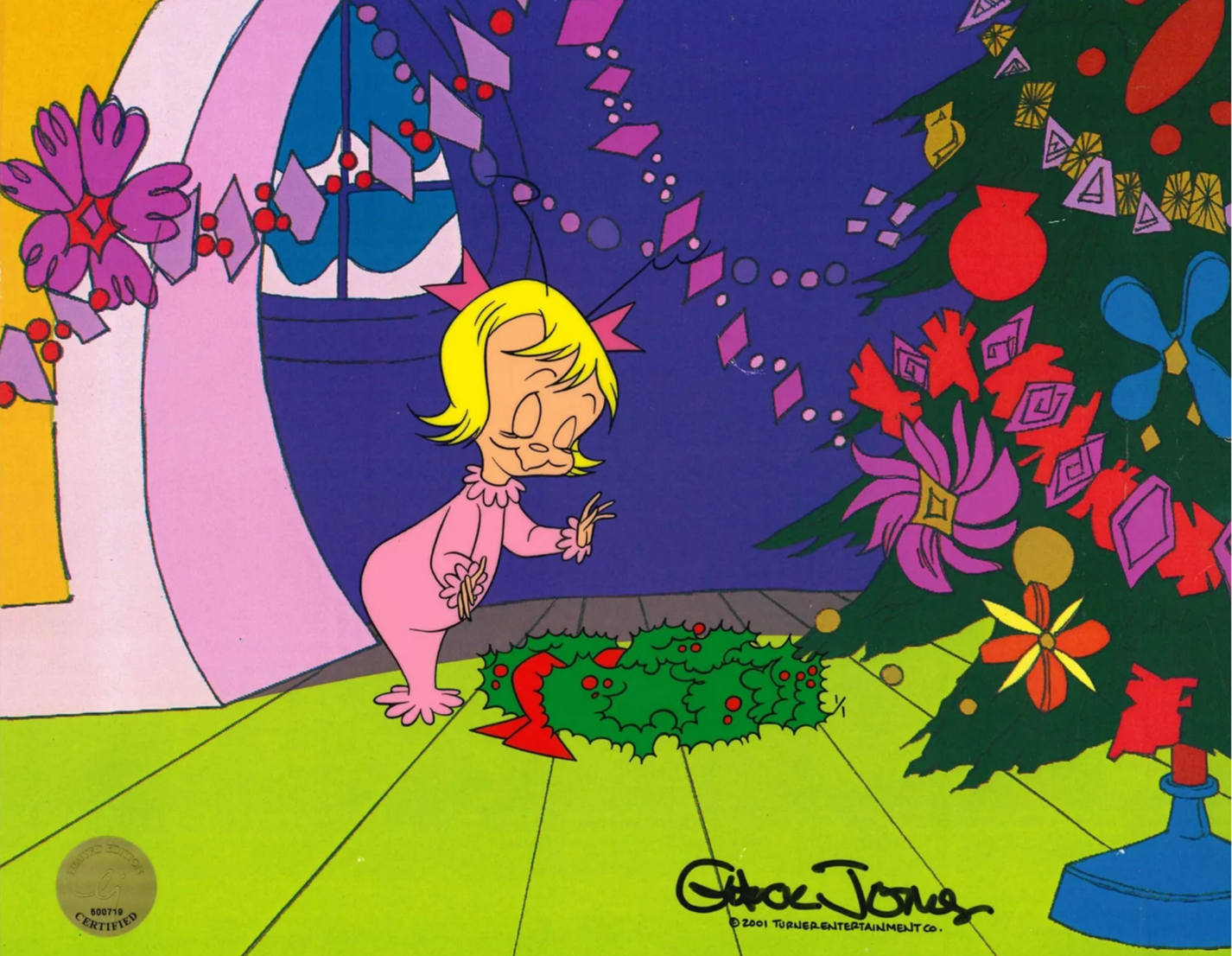
The whimsical Whoville home of Cindy Lou Who (who was no more than two), with its curved architecture and cozy interiors, perfectly captures the quirky charm of Dr. Seuss's world. This animated abode, full of holiday warmth, highlights how unique design fosters community and heart-growing moments. It reminds us that playful spaces can nurture joy and belonging.
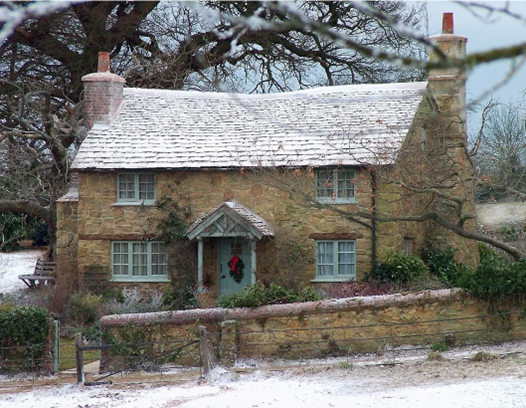
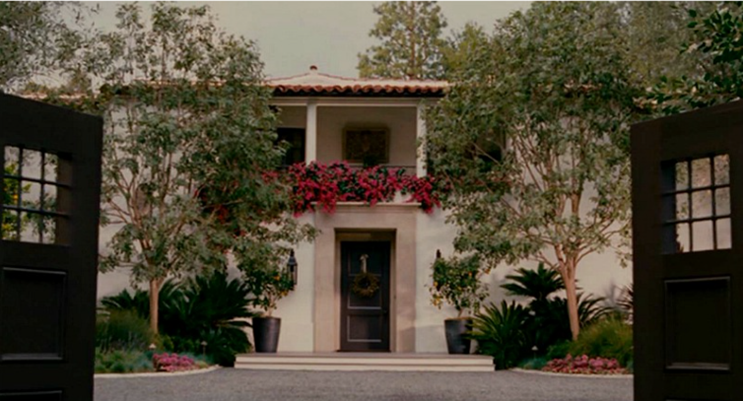
6. Iris’s House and Amanda’s House (The Holiday)
a. England
The charming English countryside cottage, with its rose-covered facade and cozy fireplaces, offers a storybook escape for romance and self-discovery. This idyllic rural retreat contrasts modern life with timeless simplicity.
b. Los Angeles
The sleek, modern Los Angeles mansion provides glamorous contrast, its open spaces and luxurious amenities highlighting California sophistication. Together, these homes illustrate how architecture shapes personal growth and connection.
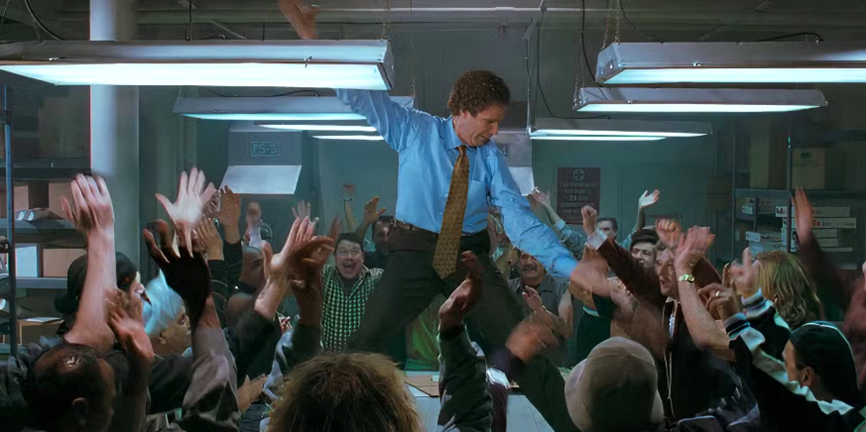
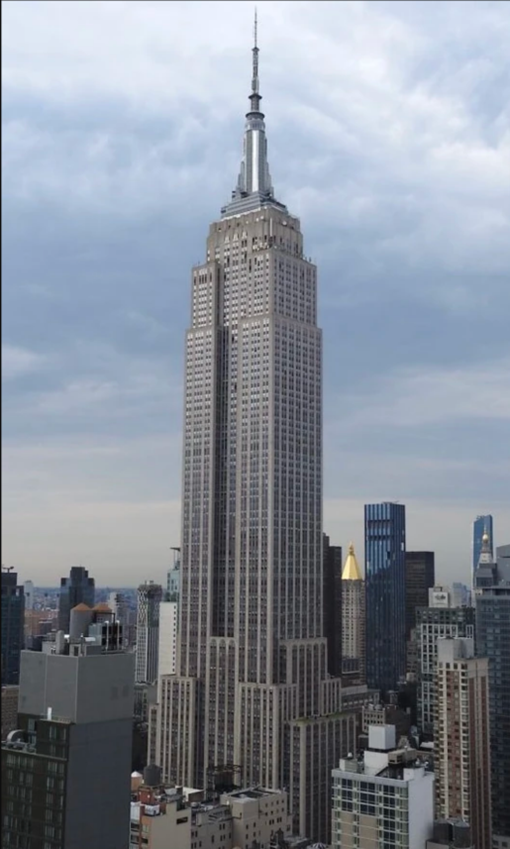
5. The Mailroom, Empire State Building, New York (Elf)
The City of New York is itself a key character in Jon Favreau’s Christmas masterpiece, with the Empire State Building as the location for many of the scenes. Buddy's oversized presence in the Art Deco mailroom of the iconic skyscraper brings hilarious hijinks and wonder to the holiday tale. The building's grand interiors amplify themes of belonging in a big world. It shows how historic architecture can spark imagination and human connection.
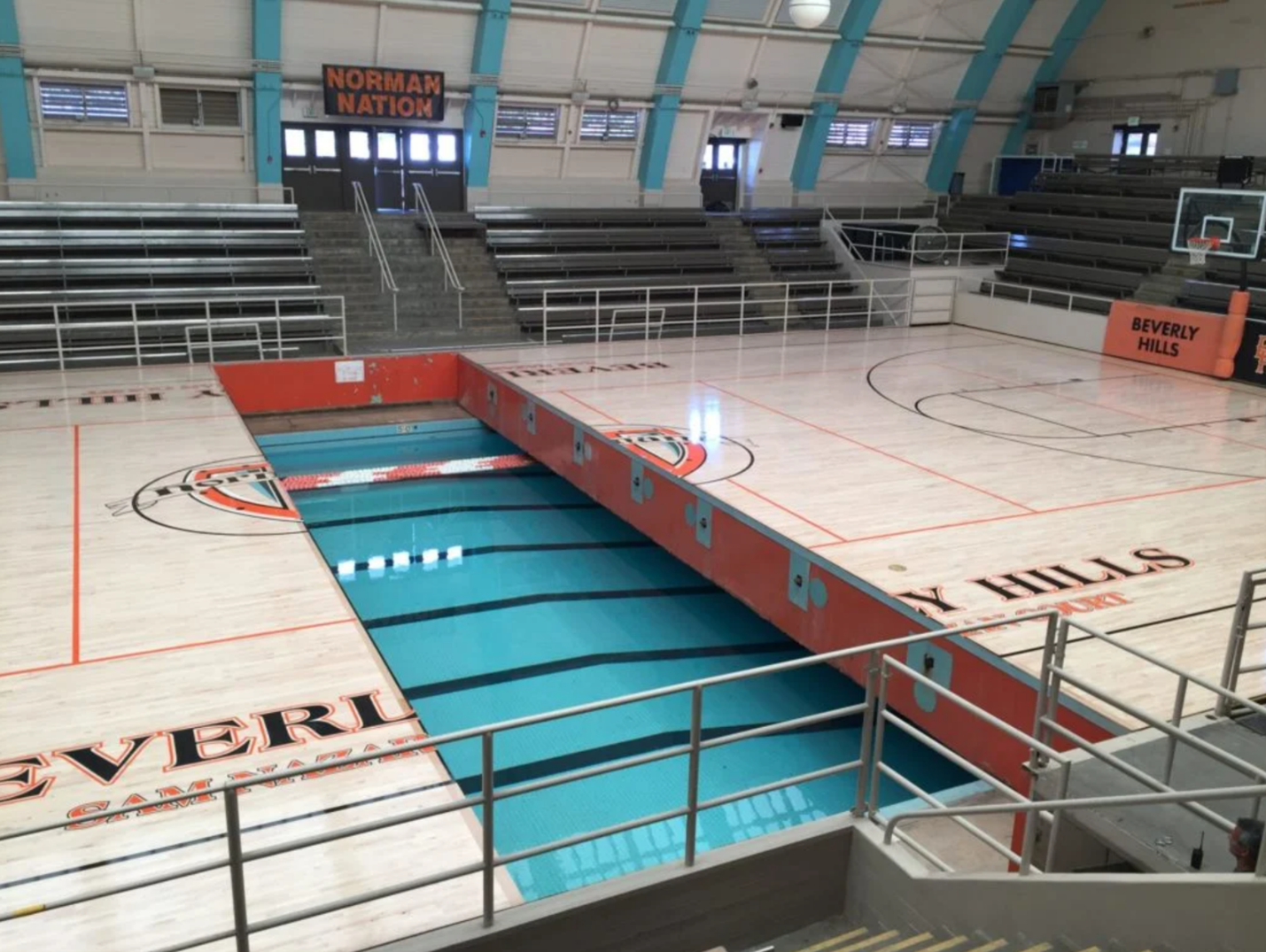
4. The Swim Gym, Beverly Hills High School (It’s a Wonderful Life)
Remember when George Bailey and Mary Hatch dance the Charleston, oblivious to the floor opening up behind them and sending them into the swimming pool? Not merely a fanciful movie set, that gymnasium and pool are very real, and they still exist. Located on the campus of Beverly Hills High School in Los Angeles, the aptly-named Swim Gym remains in operation today just as it was seen in the movie. This innovative retractable-floor design - astonishingly high-tech for its day - has been making great memories for decades.
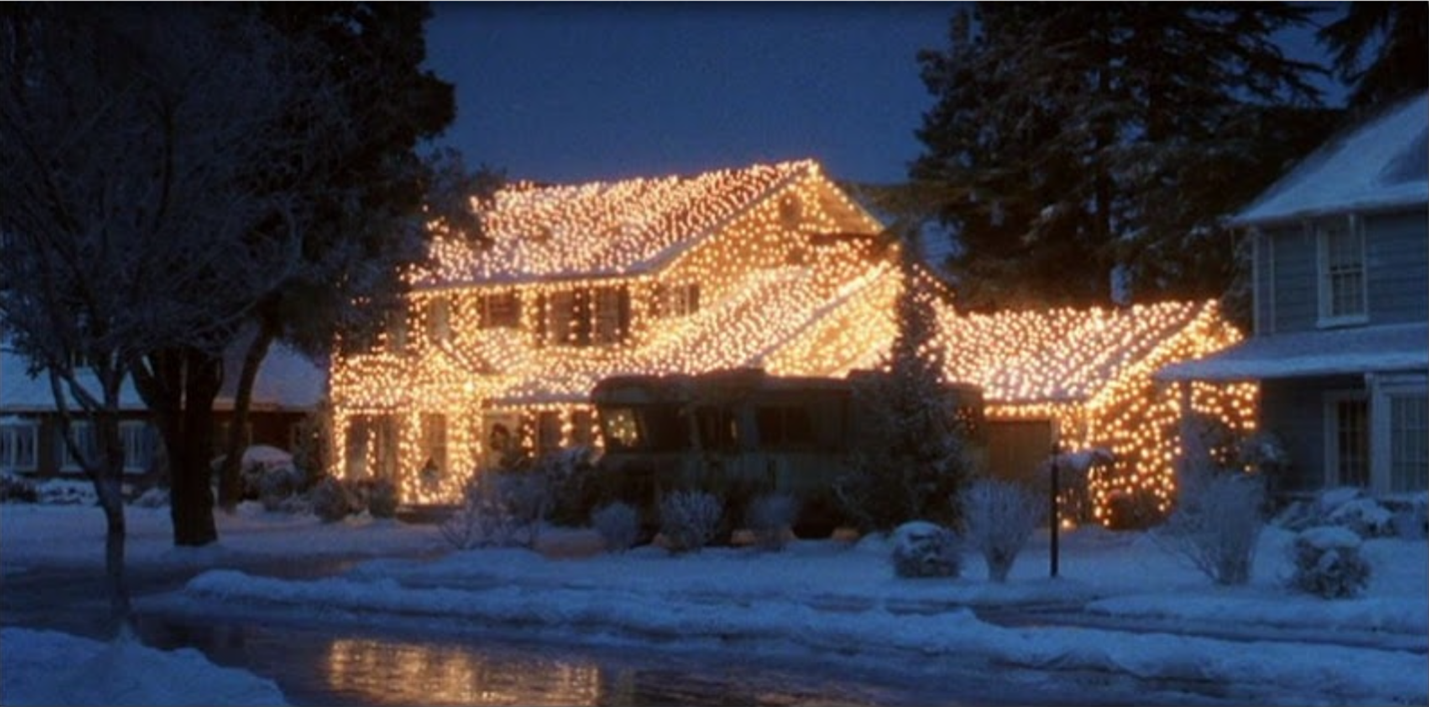
3. The Griswold Residence, the Chicago suburbs (National Lampoon’s Christmas Vacation)
Clark Griswold's suburban home, and its “25,000 imported Italian twinkle lights,” captures chaotic family holiday spirit in its everyday American design. The unassuming facade hides explosive comedy and warmth inside. It celebrates how ordinary homes become extraordinary through love, weird family, over-the-top enthusiasm, and the occasional squirrel invasion.
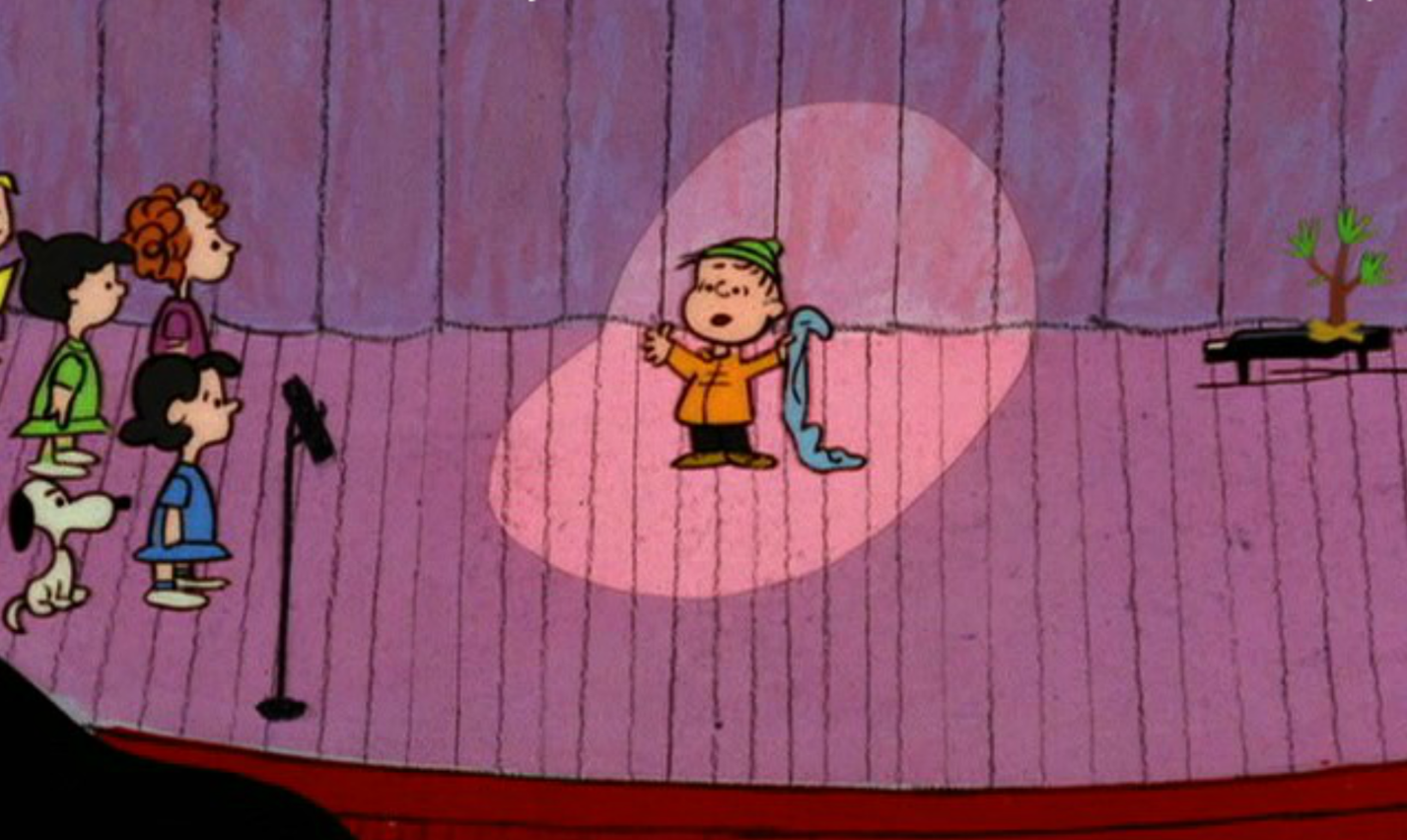
2. The Auditorium of The Peanuts’ School (A Charlie Brown Christmas)
For a whole host of reasons, A Charlie Brown Christmas stands as the single greatest piece of American art ever created. Inside the Peanuts’ school, the auditorium stage provides comic relief as Charlie Brown directs the Christmas play, with its goofy dancing kids, “stupid beagle,” and pathetically bare little tree. But when an exhausted Charlie Brown cries out in search of the true meaning of Christmas, the auditorium transforms. The house lights dim; the stage lights rise; Linus drops his blanket; and the Word of God cuts through the noise in crystal clarity and stunning beauty. As Linus quotes the Gospel of Luke to a world weary of commercialism, materialism, and trying to fix everything on our own, the once-chaotic auditorium stage becomes a profound space for reflection and the relief that we find in the true meaning of Christmas.
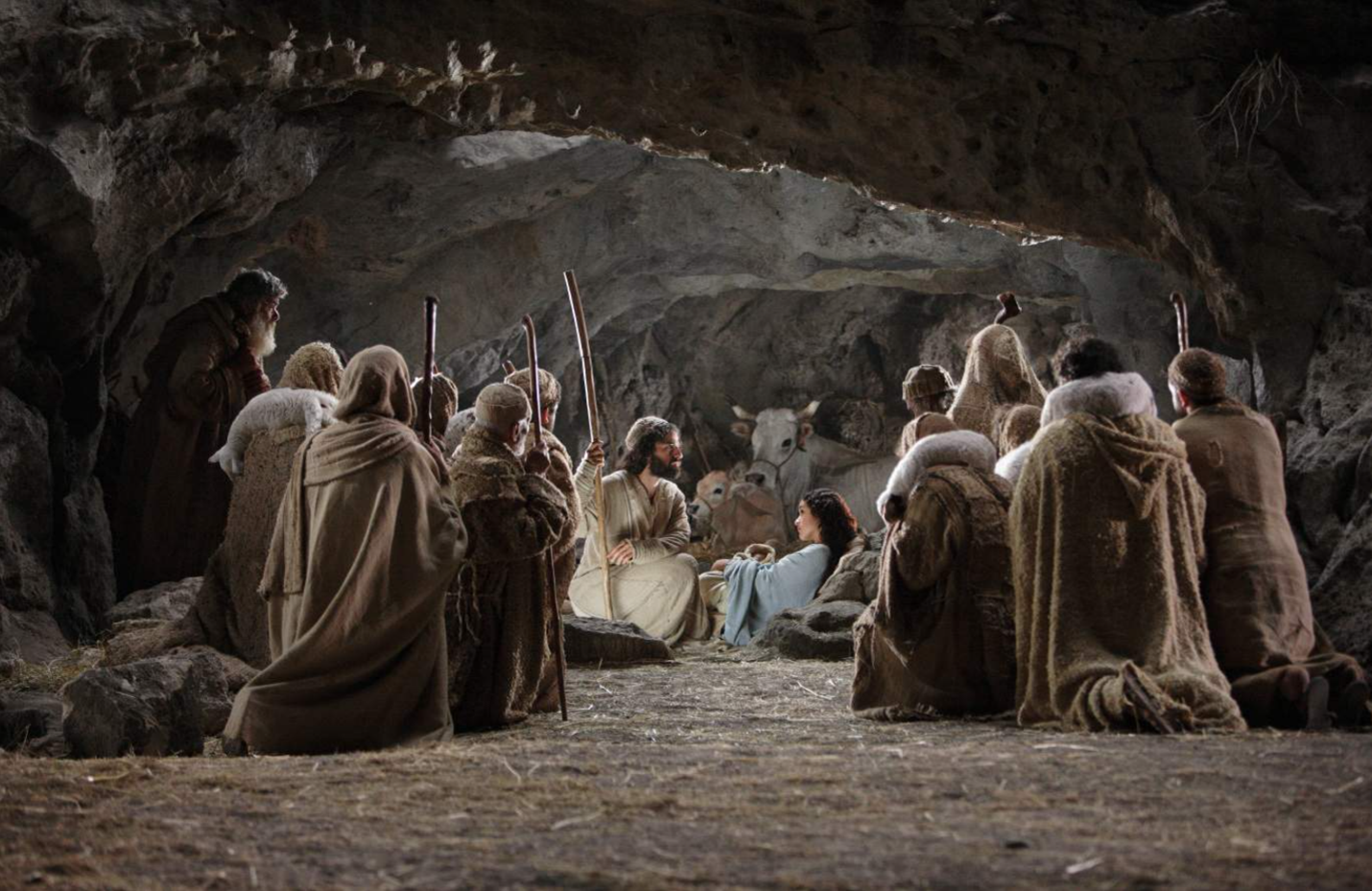
1. The Manger, Bethlehem, Judea (The Nativity Story)
The humble stable, a simple stone structure sheltering the newborn Jesus among farm animals, stands as the ultimate symbol of divine humility and God’s perfect timing. This unassuming space contrasts earthly poverty with heavenly sovereign power, reminding us of architecture's power to convey profound themes of rescue, redemption, restored relationships, and a savior arriving from afar in the greatest Christmas story ever told.
And let’s not forget why we’re here, people. We’ve each got a sin problem, and deep down we know we can’t fix it ourselves. But the heart and soul of Christmas is this wonderful, beautiful, simple good news: Jesus can fix it. In fact, He loves you so much that He came personally to fix it for you. Just ask. It’s his gift to you. And He’s good for it.
But wait, there’s more! We promised you a list of 12 icons plus a bonus- and like the Jelly of the Month Club, we deliver.
Christmas Bonus:
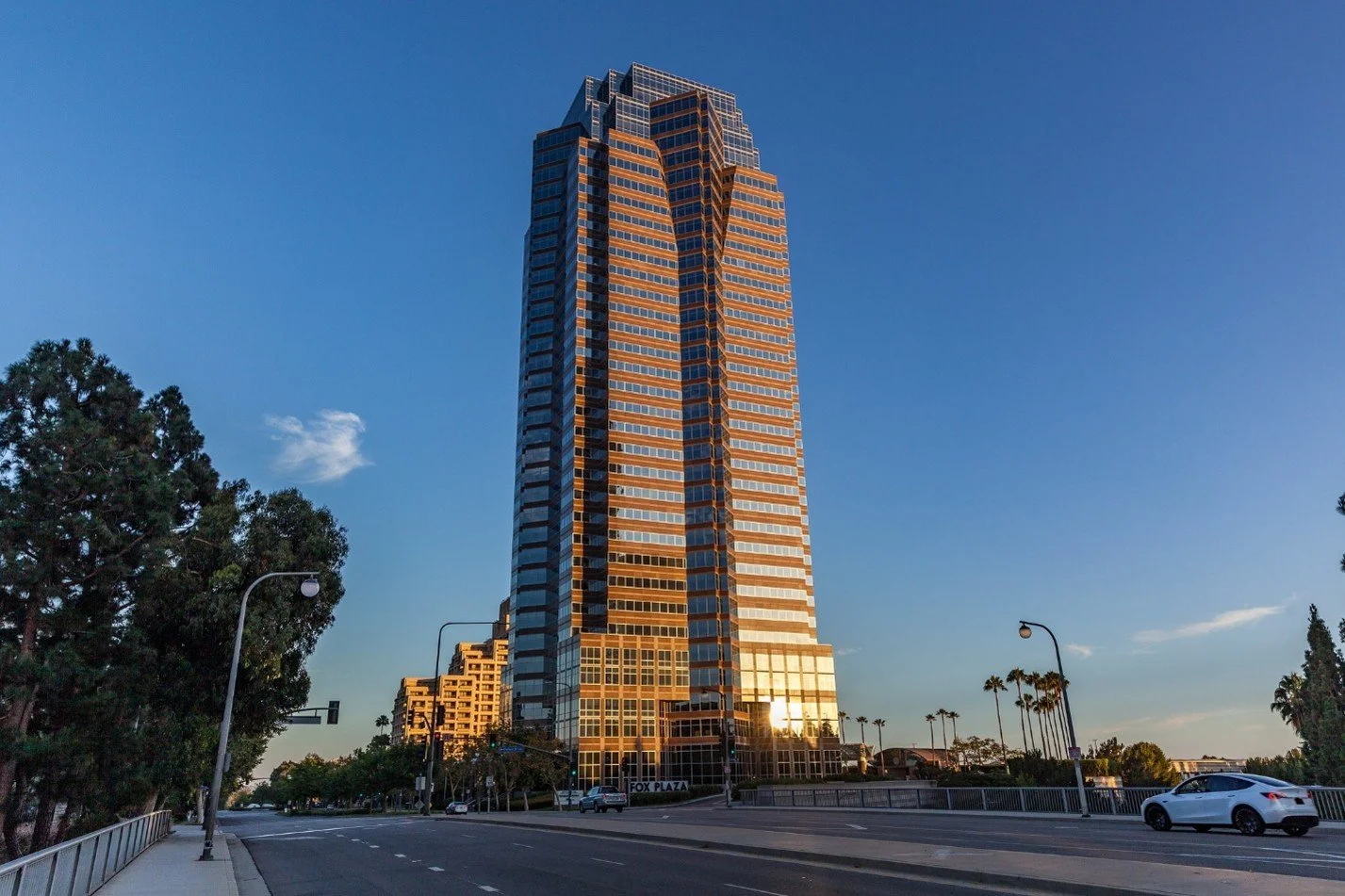
Nakatomi Plaza, 2121 Avenue of the Stars, Century City, CA (Die Hard)
You didn’t really think architects would leave this one out, did you? This fictionally-named, but real-life tower (actually Fox Plaza in Los Angeles) hosts the explosive holiday action in Die Hard. When New York police detective John McClane travels to LA to reunite with his family on Christmas Eve, he finds himself as the only man who can stop a gang of international terrorists. As glitzy post-modern corporate office spaces get turned into Swiss cheese in a battle of good-versus-evil heroism, the architecture of Nakatomi Plaza becomes a character in the film. The building becomes integral to so much of the action - from the basement garage, to the high-tech vault, to the atrium lobby, through the unfinished offices, into the elevator shafts, all the way up to the roof - and for Hans Gruber, all the way back down.
And just to be clear: of course Die Hard is a Christmas movie. With its themes of rescue, redemption, restored relationships, and a solitary savior-like figure appearing from afar, it’s probably the second-greatest Christmas story ever told. (See also: #1 above. It’s #1 for a reason, people.)
And there you have it. From humble mangers to exploding skyscrapers, great architecture is more than a backdrop, it is a character in the great stories of our lives and of eternity.
Merry Christmas from Vessel Architecture!
