
Hospitality and Senior Living Are Closer Than We Think
For years, hospitality and senior living were viewed as entirely separate design markets. One focused on guests. The other focused on residents. One prioritized experience. The other prioritized care. But that distinction has started to fade.
Today, both industries are moving toward the same goal: creating environments people genuinely want to spend time in. Places that feel welcoming, intuitive, social, restorative, and emotionally connected to the people using them.
The expectations shaping hospitality are now influencing nearly every market within the built environment, including senior living. At the same time, senior living has evolved far beyond the institutional models many people still picture. The best communities today borrow heavily from hospitality design, creating spaces centered around comfort, experience, wellness, and choice.
In many ways, the two industries are now solving the same design problem from different directions.
The Shift From Transactional Spaces to Experiential Environments
People no longer evaluate buildings solely on function. They evaluate them based on how they make them feel. That shift has transformed hospitality design over the last decade, but it is equally reshaping senior living, multifamily, and mixed-use environments. The spaces that stand out today are not simply efficient they create emotional connection.
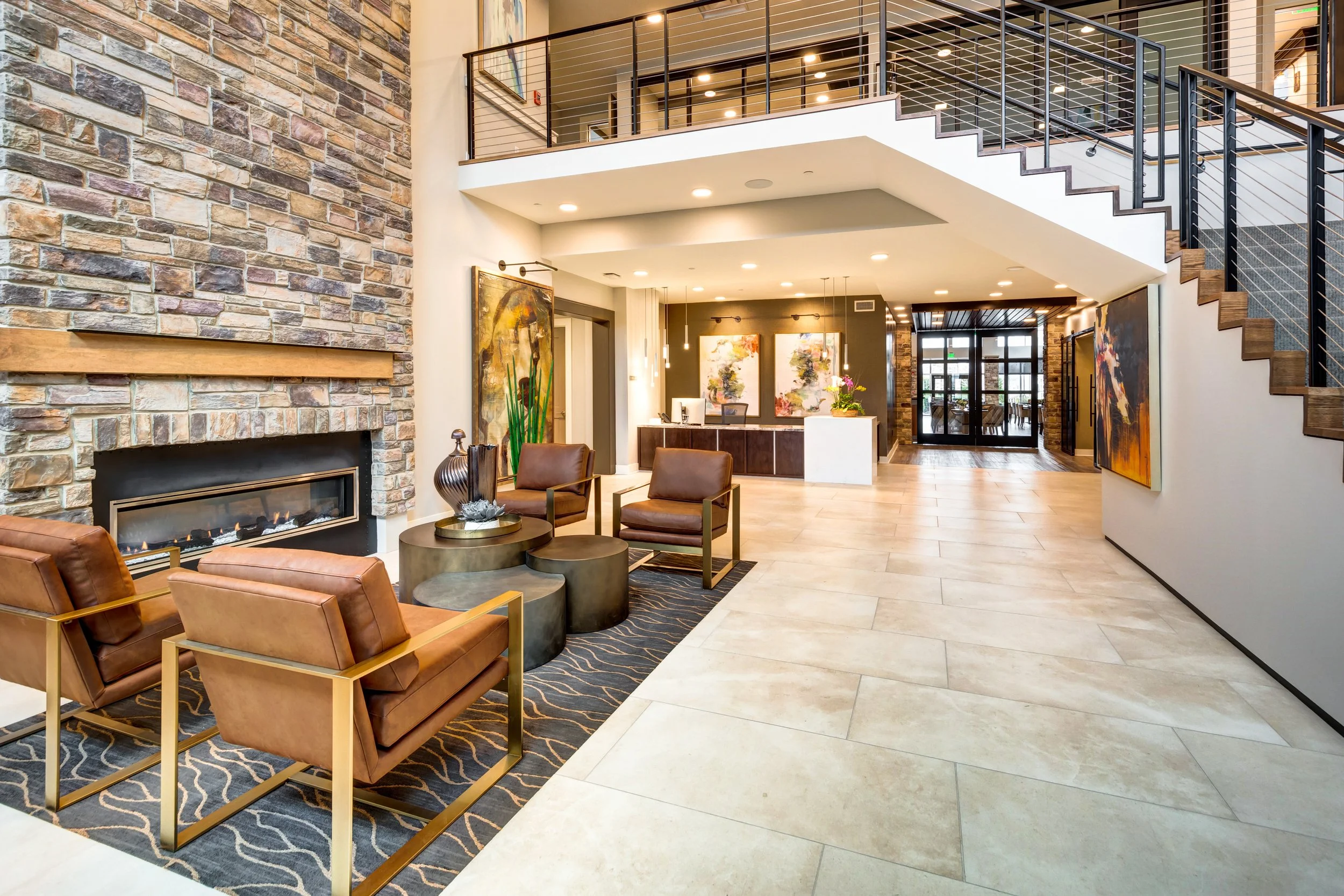
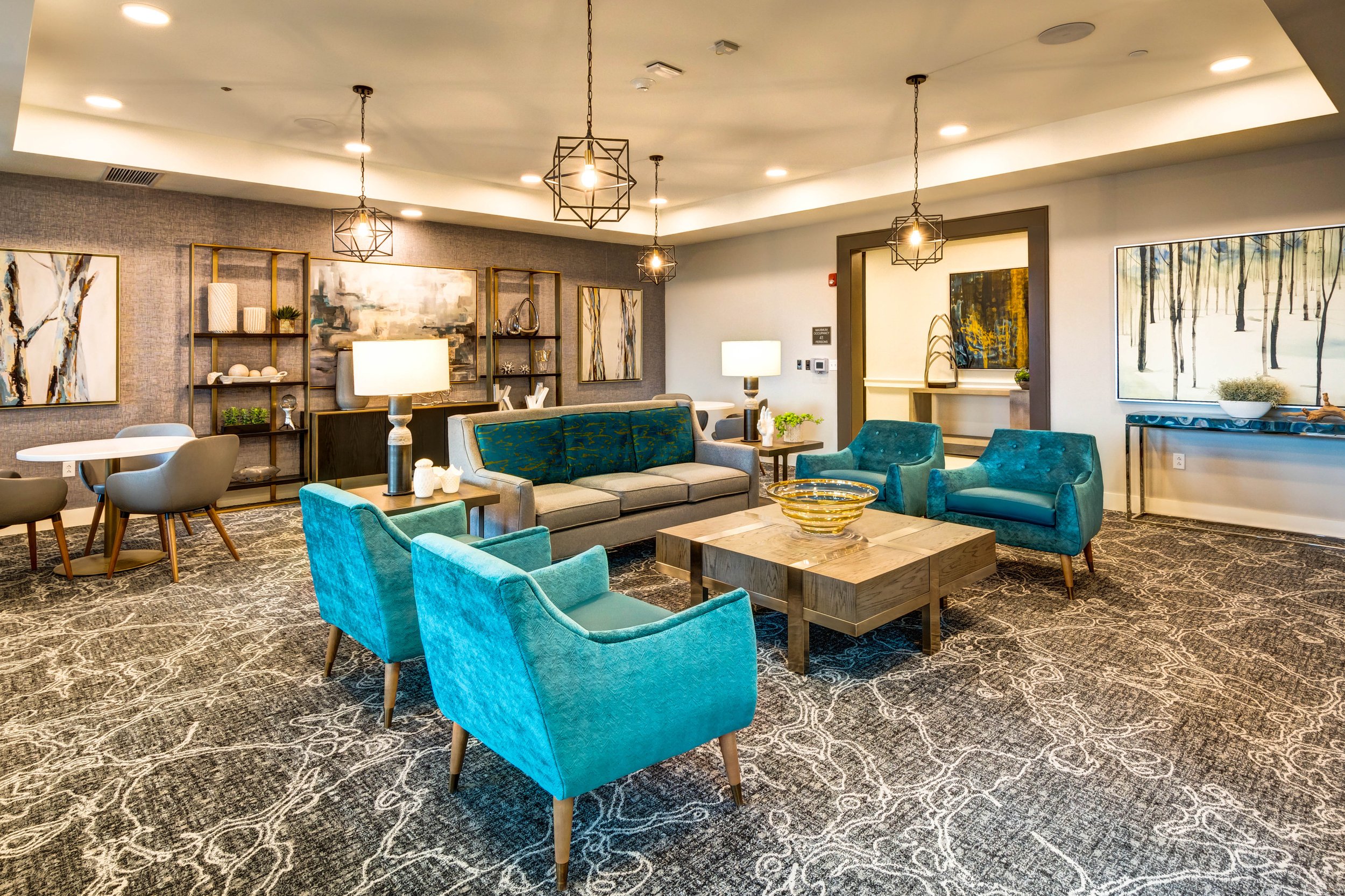

Lobbies are becoming social hubs rather than pass-through spaces. Outdoor courtyards are being designed as destinations instead of leftover site areas. Dining spaces are evolving into flexible hospitality-style experiences with varied seating, lighting, and atmosphere throughout the day. Fitness, wellness, coworking, cafés, game rooms, lounges, and outdoor gathering areas are no longer considered “extra amenities.” They are part of the daily experience people expect from where they live, stay, and gather.
The line between living, working, socializing, and relaxing continues to blur — and architecture is adapting alongside it.
Designing for Experience Over Occupancy
One of the most significant parallels between hospitality and senior living is the growing emphasis on experience-driven design. Successful environments today are not designed around square footage calculations alone. They are designed around behavior, comfort, flexibility, and memory:
How does someone move through a space?
Where do spontaneous interactions happen?
Does the environment encourage people to linger?
Does it feel energizing, calming, social, private, or restorative at the right moments?
These questions are central to hospitality design, but they are equally important in senior living communities where the built environment directly shapes daily quality of life.
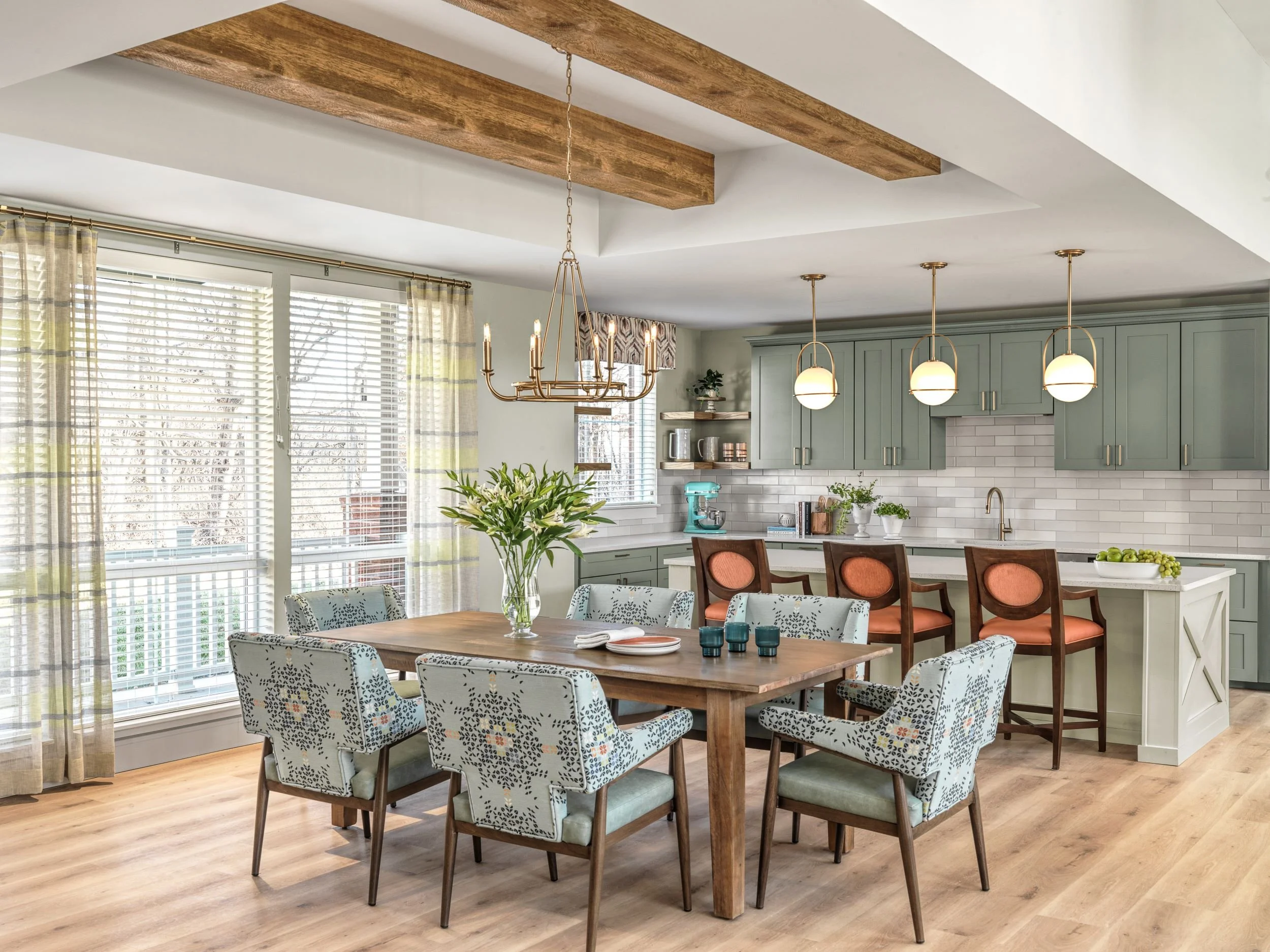

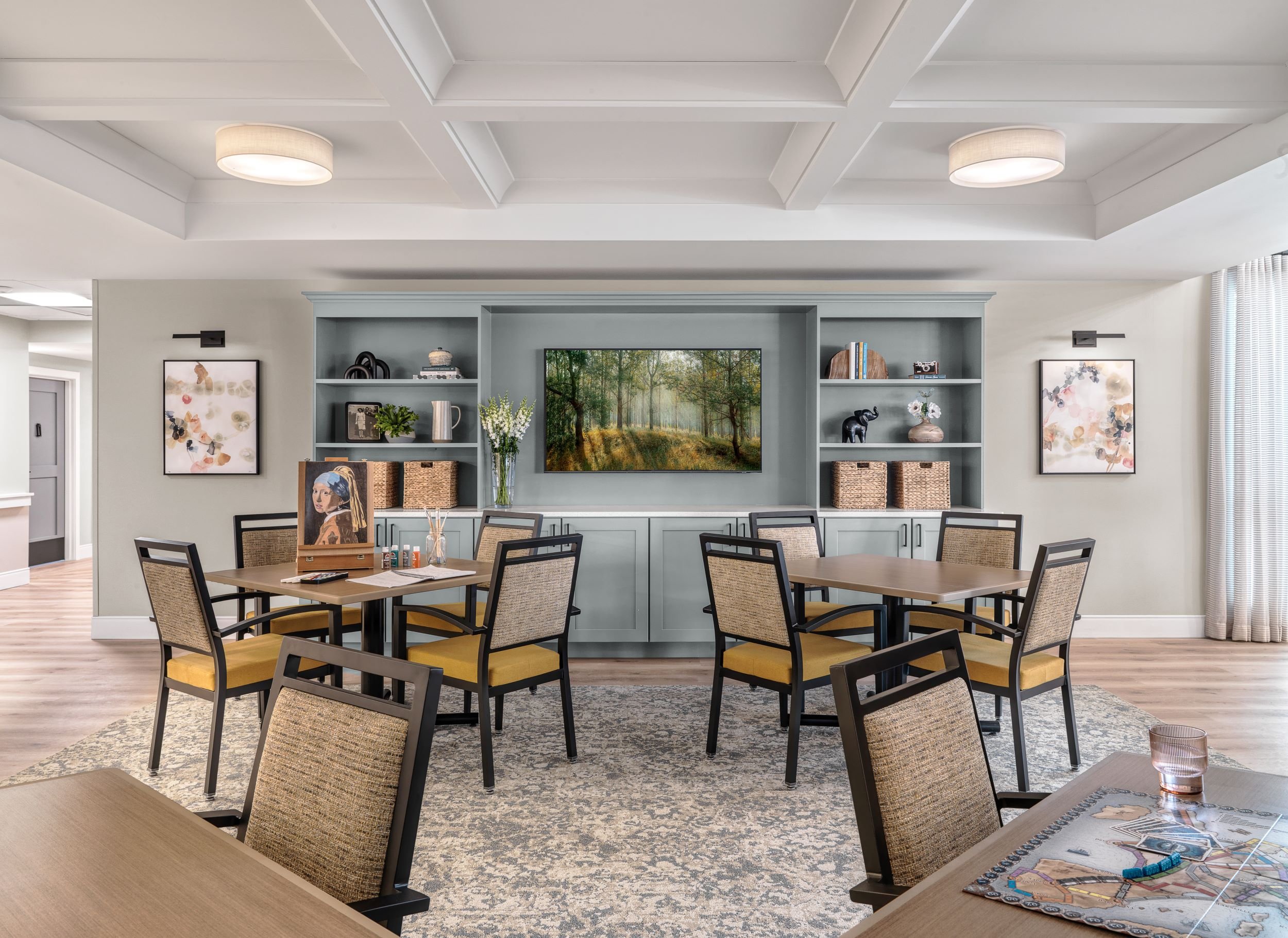
In both markets, the most successful spaces balance operational efficiency with emotional experience. They must perform well behind the scenes while still feeling effortless to the people using them. That balance requires thoughtful planning, durable materials, intuitive circulation, layered lighting, acoustic comfort, and spaces that can flex throughout the day without losing their identity.
Wellness Has Become a Design Expectation
Wellness is no longer confined to fitness rooms and spas. It now influences nearly every design decision across both hospitality and senior living environments:
Access to natural light.
Walkable outdoor environments.
Connection to nature.
Acoustic comfort.
Clear wayfinding.
Spaces that support both social interaction and quiet retreat.
These elements have become essential because people increasingly recognize how much the built environment impacts mental and physical well-being.
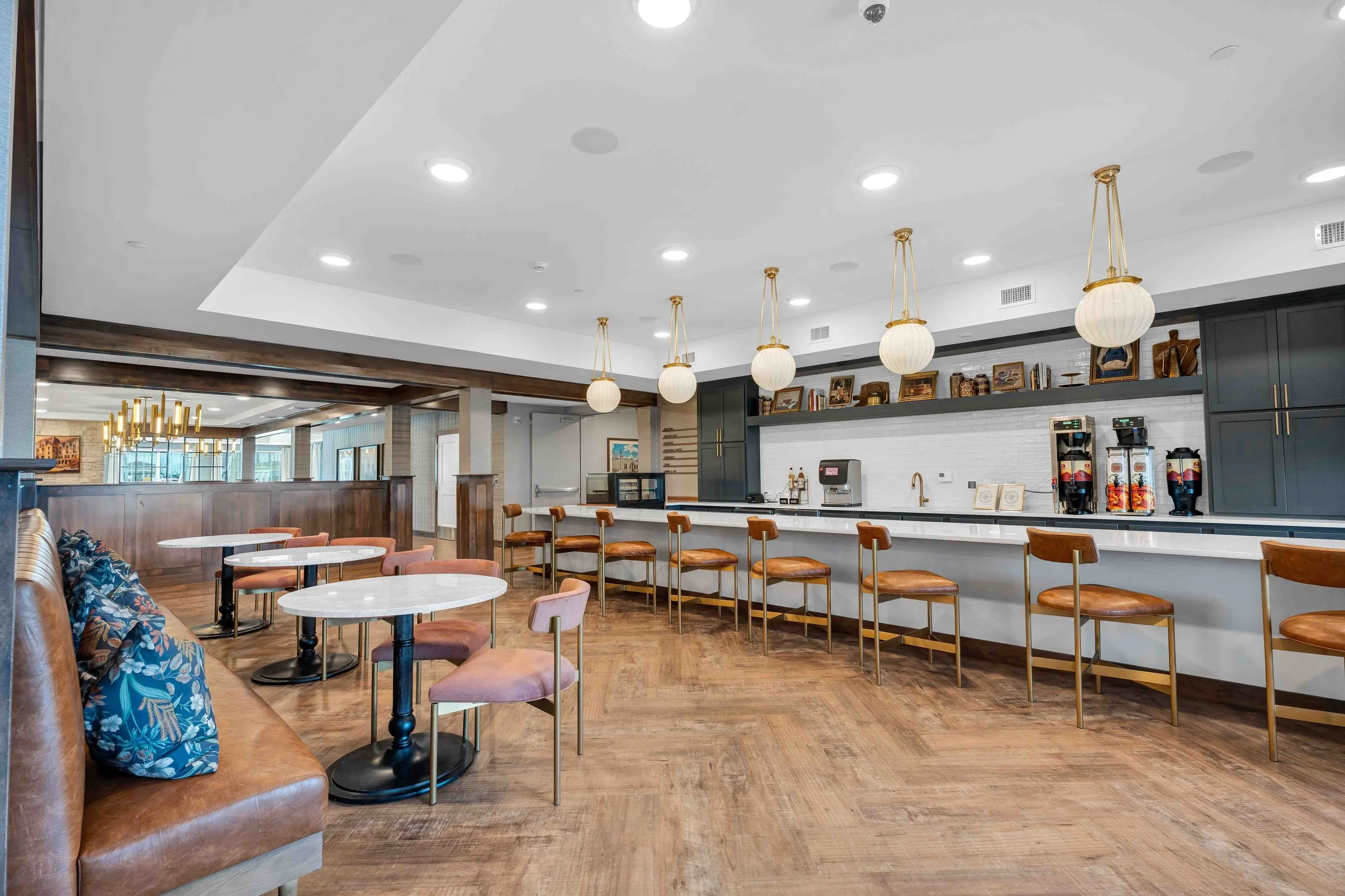
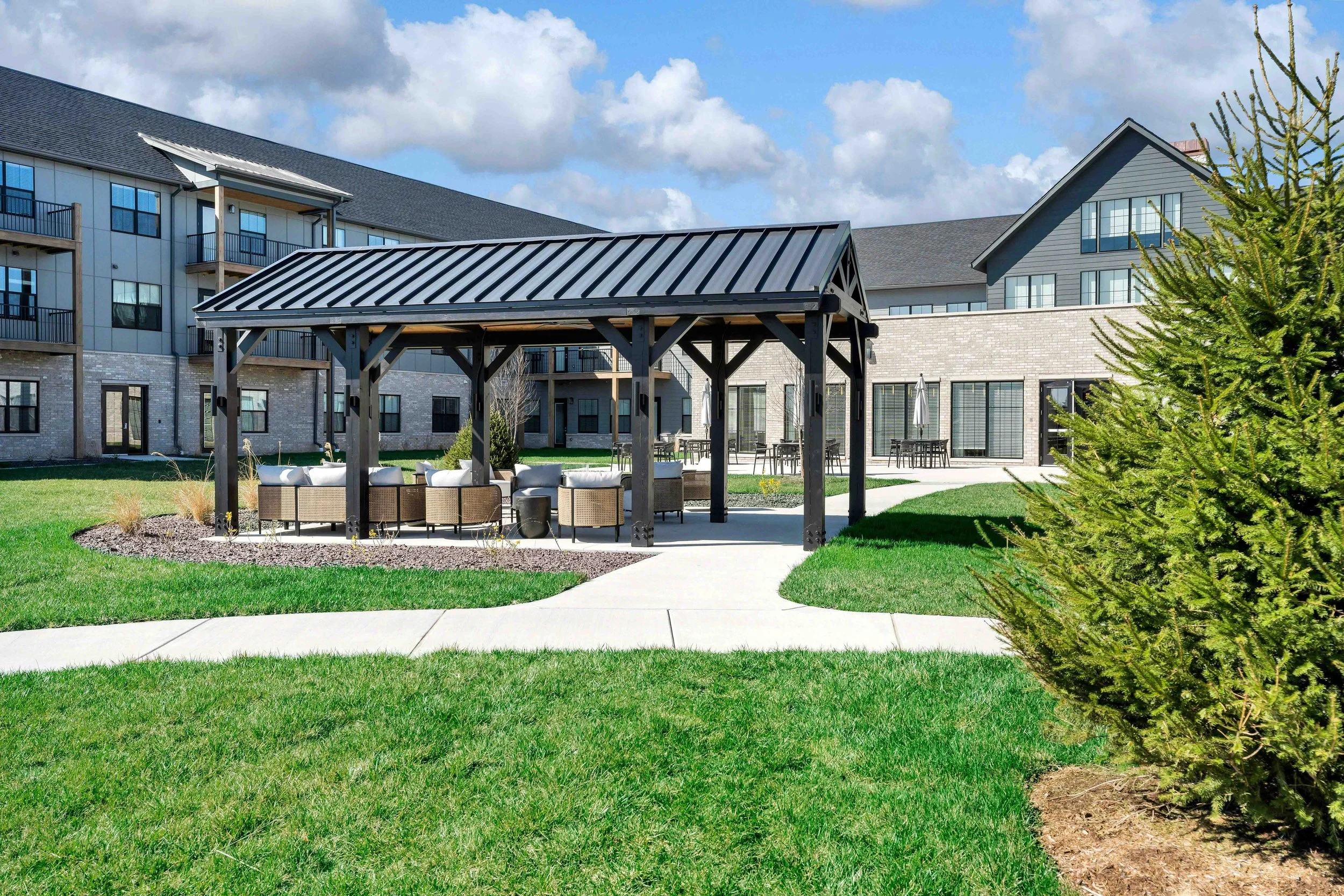
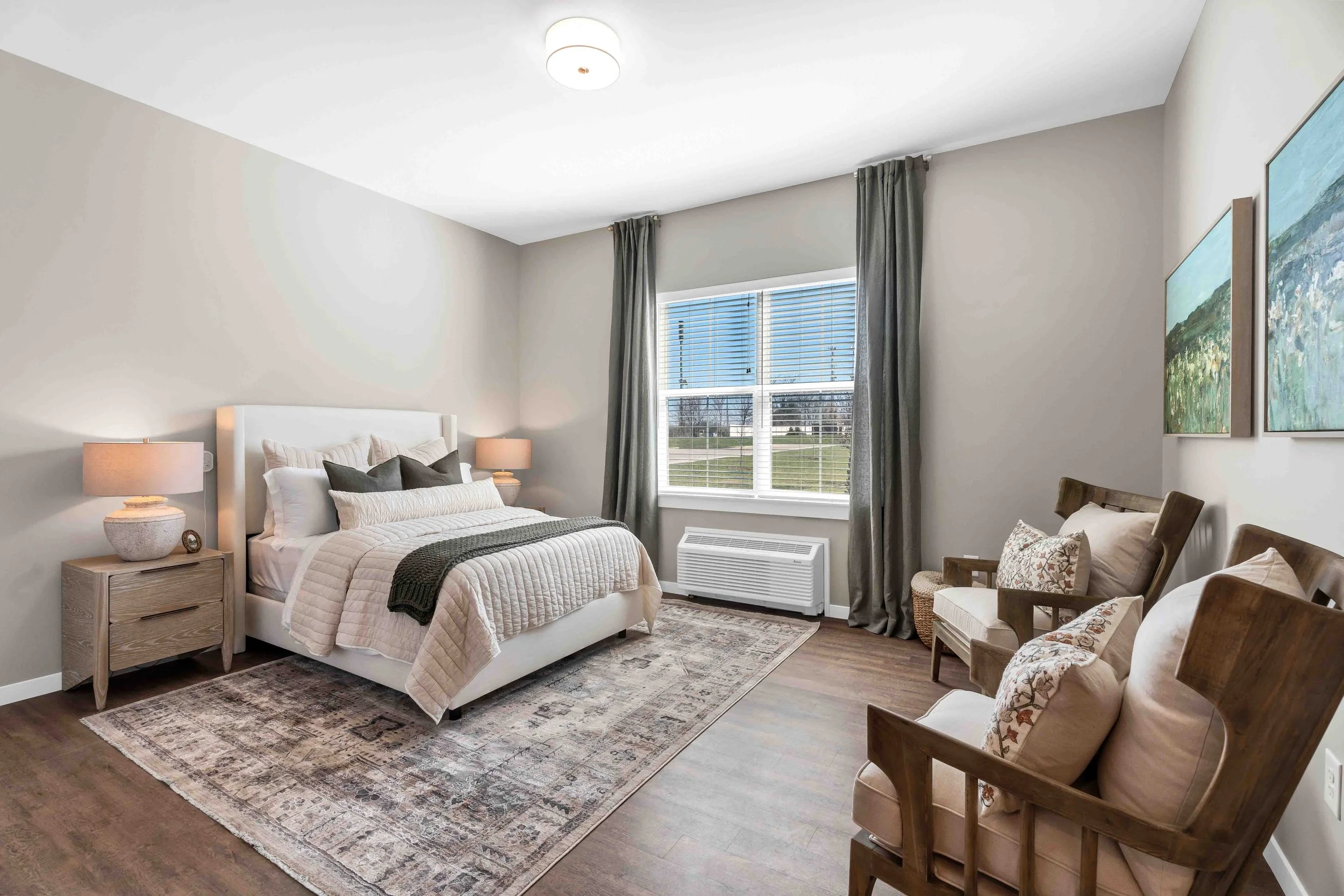
What is especially interesting is that many of the strategies originally emphasized in senior living design are now becoming mainstream expectations in hospitality. Accessibility, intuitive circulation, comfort, visibility, safety, and ease of use are no longer viewed as limitations to good design they are becoming indicators of thoughtful design.
The best spaces work well for everyone without calling attention to it.
The Rise of Residential Hospitality
At the same time, hospitality itself is becoming more residential. Guests increasingly want environments that feel authentic, comfortable, and personal rather than formal or overly polished. Many hospitality spaces now prioritize warmth, layered textures, softer materials, flexible gathering areas, and environments that encourage people to settle in rather than simply pass through.
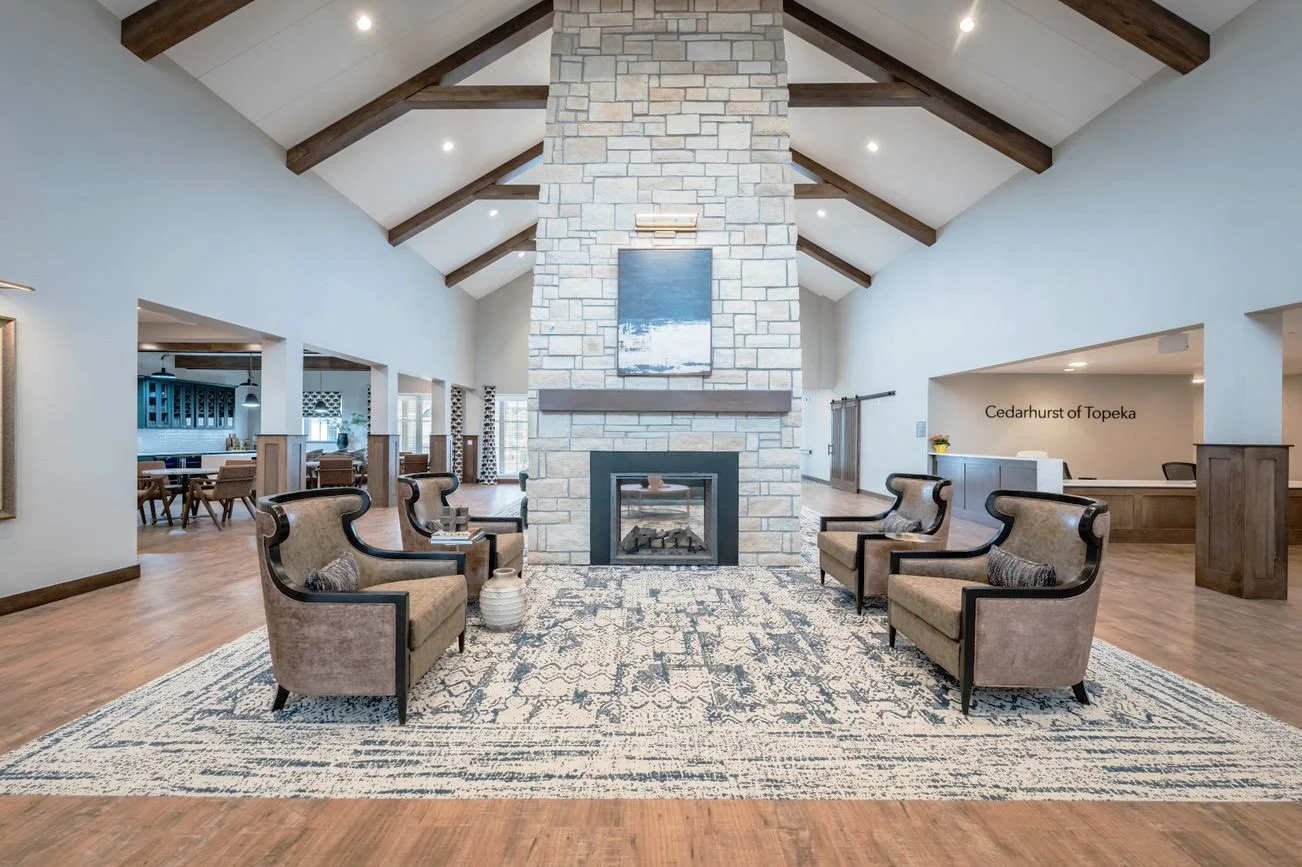
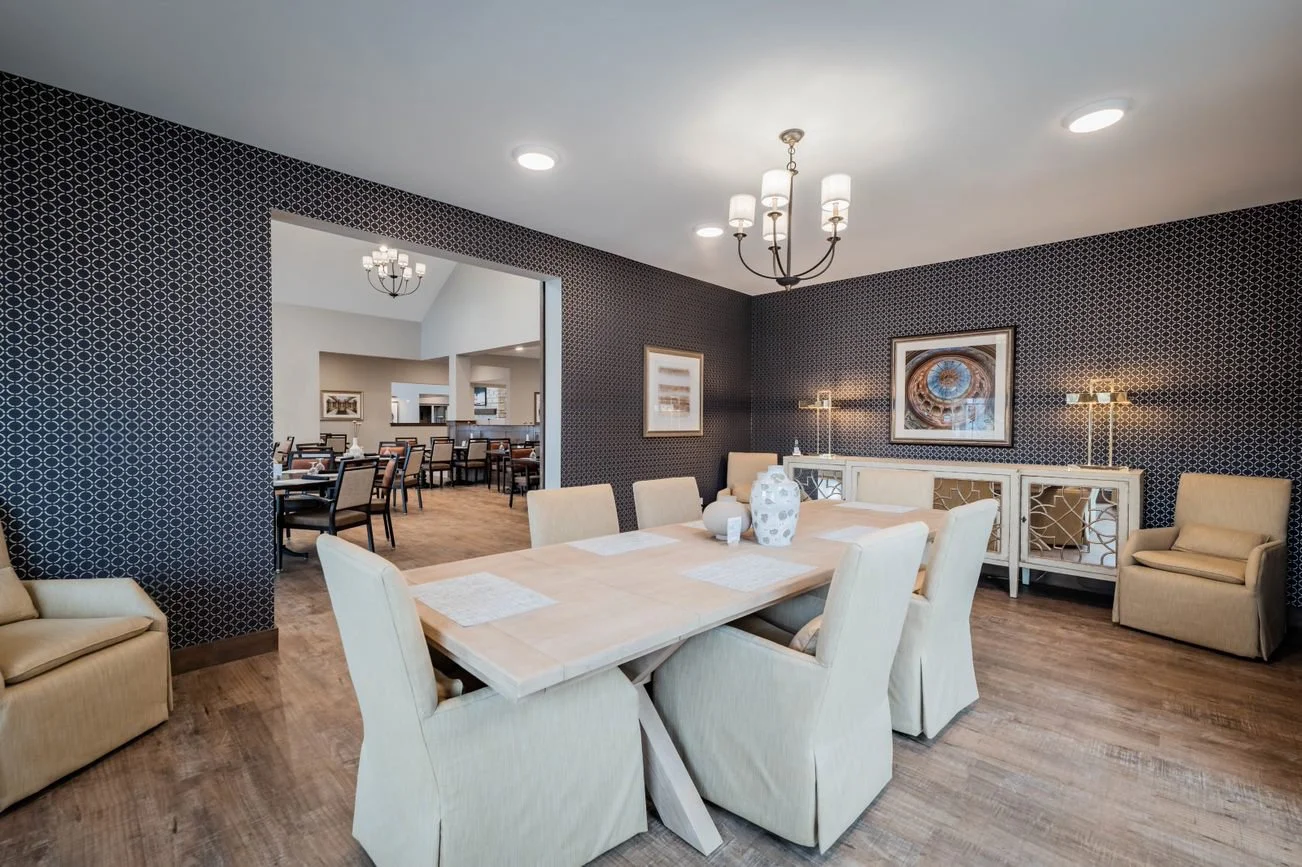

That same evolution has been happening within senior living for years. The goal is no longer to create spaces that simply accommodate people. The goal is to create places that feel familiar, welcoming, and emotionally comfortable while still supporting operations, staffing, maintenance, and long-term durability.
That overlap creates an interesting convergence between the two industries. Both are ultimately designing for human experience. Both are creating environments centered around comfort, community, and belonging. And both are learning that the spaces people remember most are often the ones that feel the most natural.
The Future of Hospitality Is About Connection
As these industries continue to evolve, the distinction between hospitality and residential environments will likely continue to narrow. People want more from the places they spend time in. They want environments that support wellness without feeling clinical. Community without feeling forced. Flexibility without feeling temporary. Luxury without sacrificing comfort.
Whether someone is staying for a weekend, a year, or a decade, the underlying design challenge is increasingly the same: creating spaces people emotionally connect to. The future of hospitality may not be defined by how impressive a space looks on opening day. It may be defined by how deeply people want to return to it.