
Interior Design in 2026: A Return to Warmth, Character, and Craft
As we move into 2026, interior design is experiencing a noticeable shift, one that feels both refreshing and familiar. After years of restraint, sharp lines, and minimal palettes, spaces are warming up again. Color, pattern, texture, and detail are making a confident return, signaling a broader desire for interiors that feel expressive, human, and grounded.
We’re seeing interiors become more layered and emotionally resonant without feeling overwhelming. The goal isn’t excess, it’s depth. Spaces are designed to unfold over time, revealing nuance through materiality, proportion, and thoughtful detail.
A Resurgence of Color and Pattern
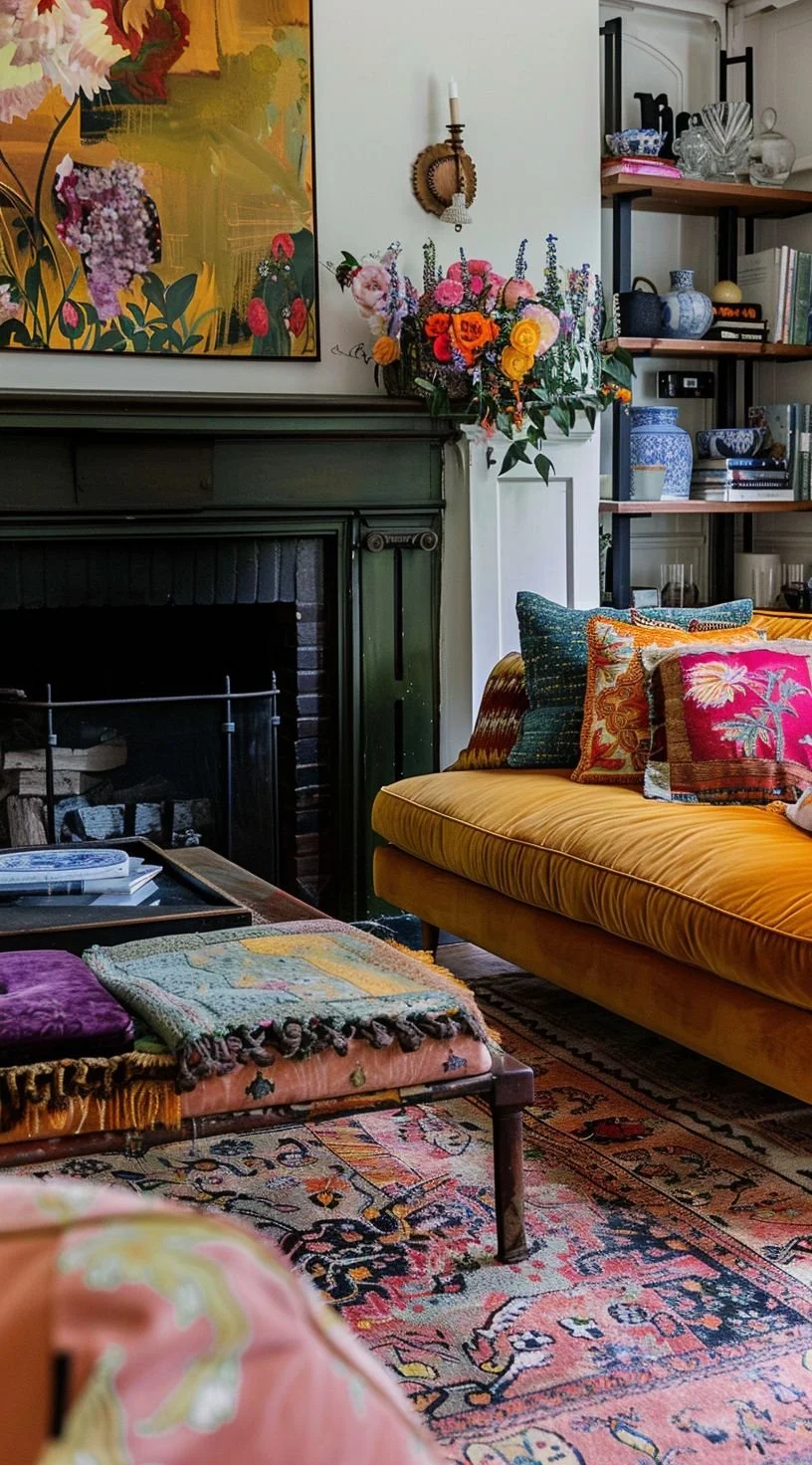
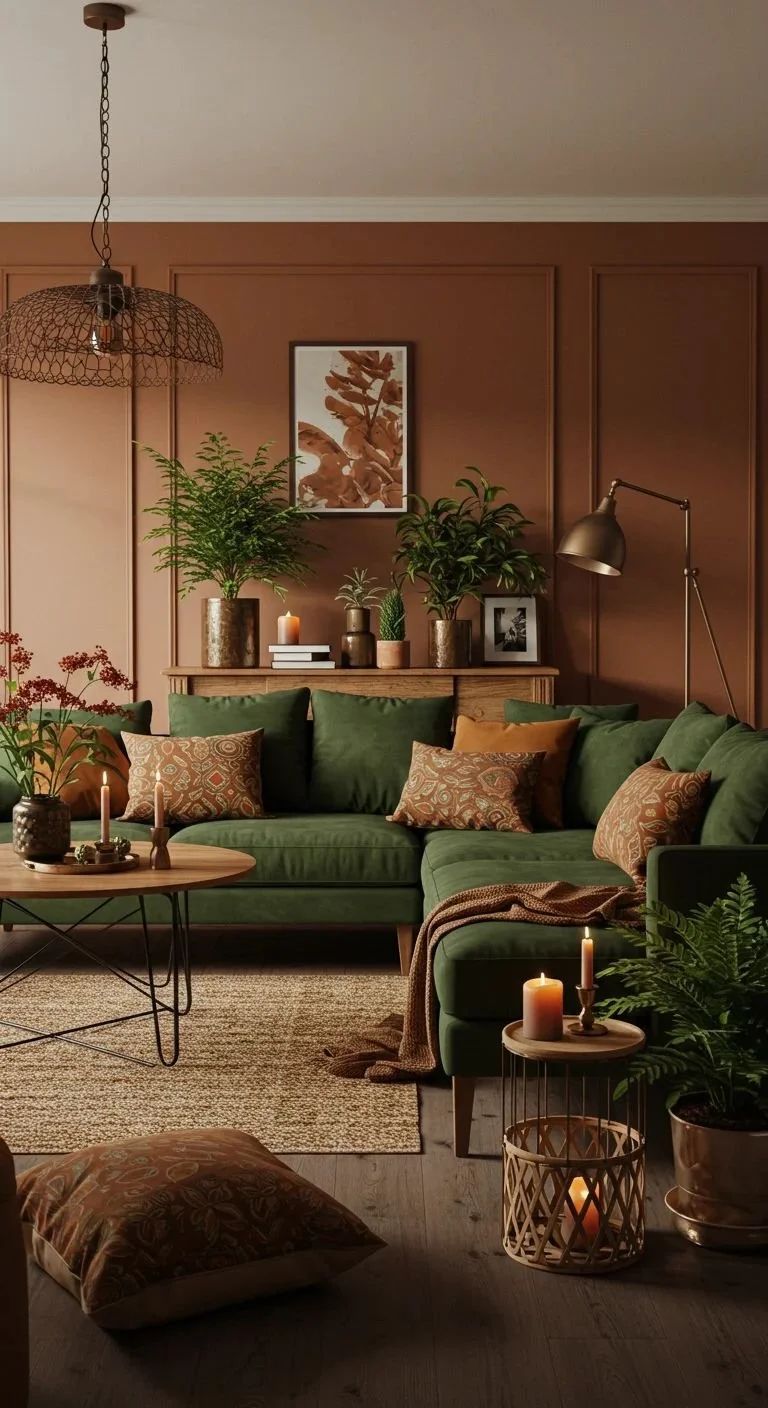
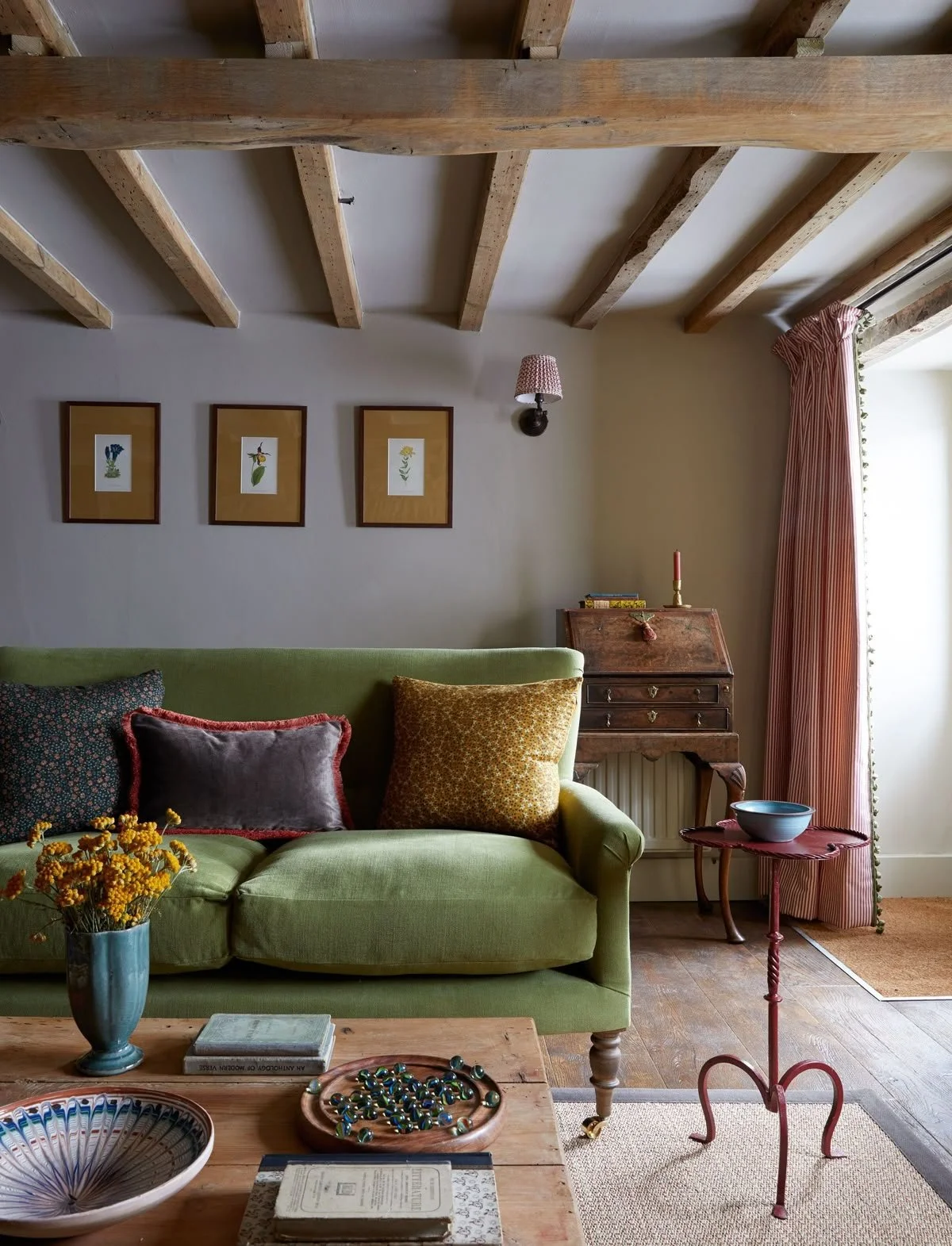
Design in 2026 is embracing richer, more saturated palettes that feel rooted in nature. Earth tones are leading the way with deep browns, warm greens, khakis, and grounded neutrals which are creating spaces that feel calming, stable, and timeless. These hues are often paired with moments of contrast or color to add energy without overpowering the room.
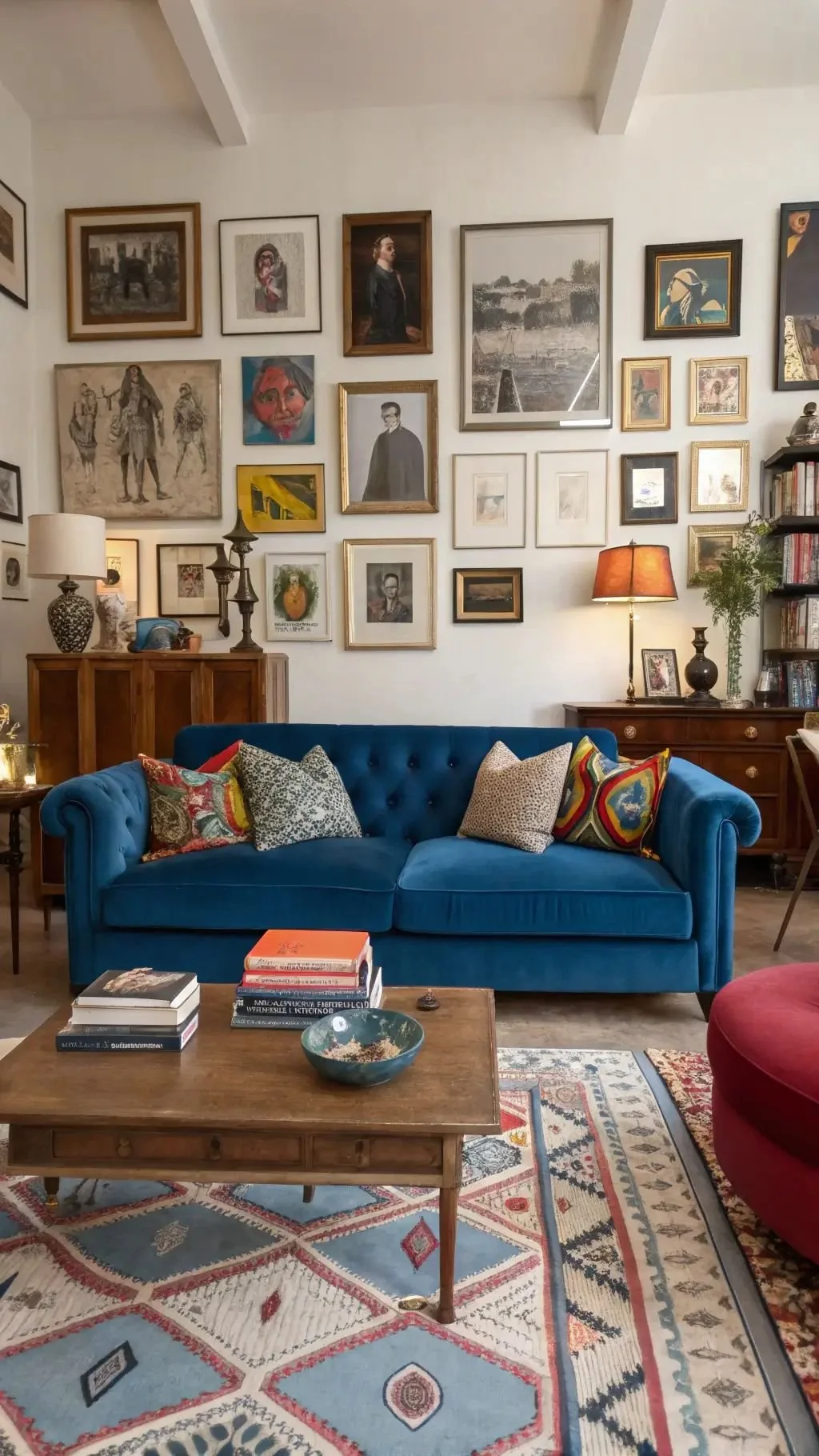
Blue is reemerging as a favorite accent, appearing in upholstery, tile, artwork, and accessories. Rather than dominating a space, it’s being used strategically to provide balance and depth.
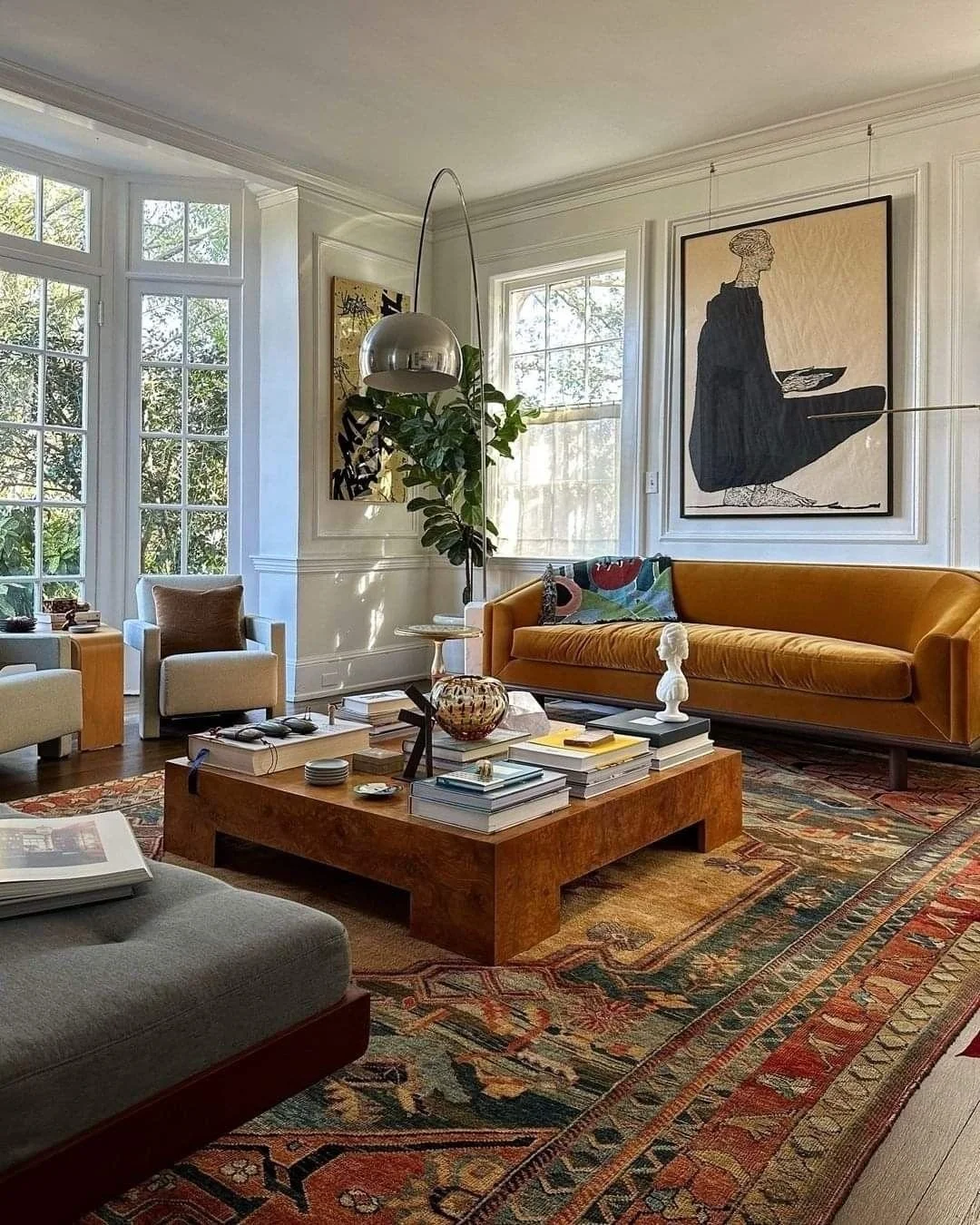
Pattern is also stepping back into the spotlight. No longer an afterthought or limited to small accents, pattern is being used intentionally from textiles and rugs to wallcoverings and millwork details. When layered thoughtfully, pattern adds rhythm, movement, and personality to interiors, helping spaces feel curated rather than clinical.
Texture Takes Center Stage
Texture is becoming one of the most important design tools in 2026. Interiors are increasingly tactile, relying on contrast in materials rather than sharp visual lines. Soft fabrics are layered against structured surfaces, matte finishes are paired with subtle sheen, and natural materials are celebrated for their imperfections.
This approach creates depth without harshness. Texture brings warmth and comfort to a space, inviting people to engage with their environment rather than simply observe it. In many ways, texture is replacing the role that stark contrast once played: adding interest, softness, and visual richness without feeling rigid.
Curves, Whimsy, and Softer Geometry
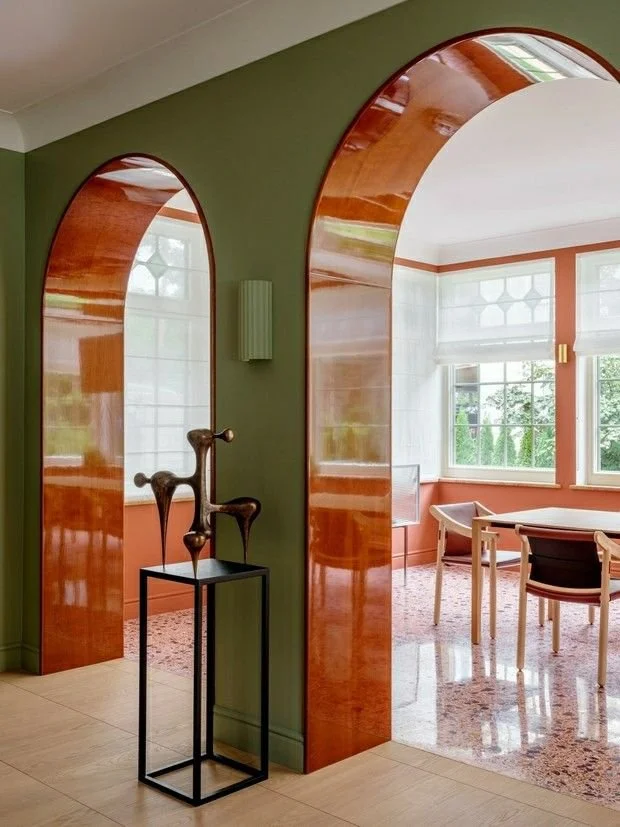
There’s a noticeable shift away from rigid geometry and hard edges. Curves, arches, rounded furniture, and organic forms are reintroducing movement and playfulness into interior spaces. These softer forms create a sense of ease and approachability, making environments feel more welcoming and less formal.
This doesn’t mean spaces are becoming casual or unfocused. Instead, curves are being used intentionally at key moments such as circulation paths, seating areas, or architectural transitions to soften the experience of a space and guide how people move through it.
Wood with Presence
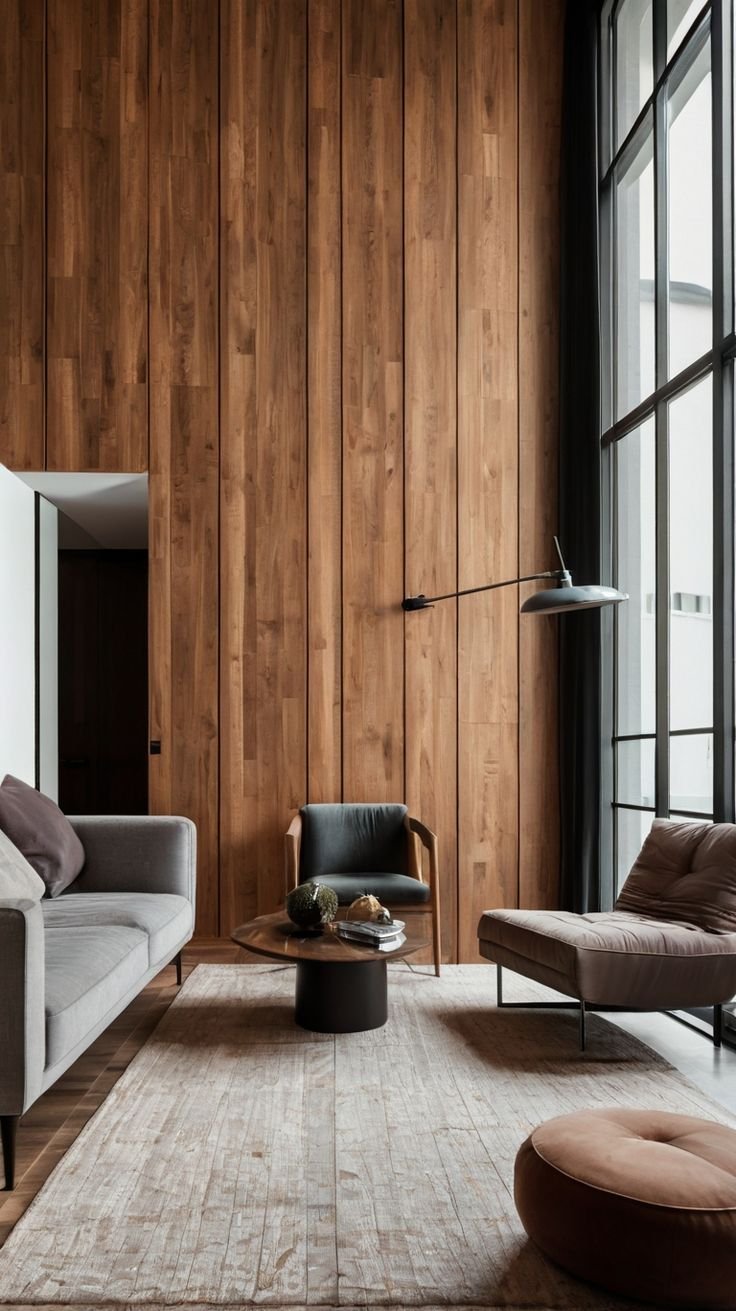
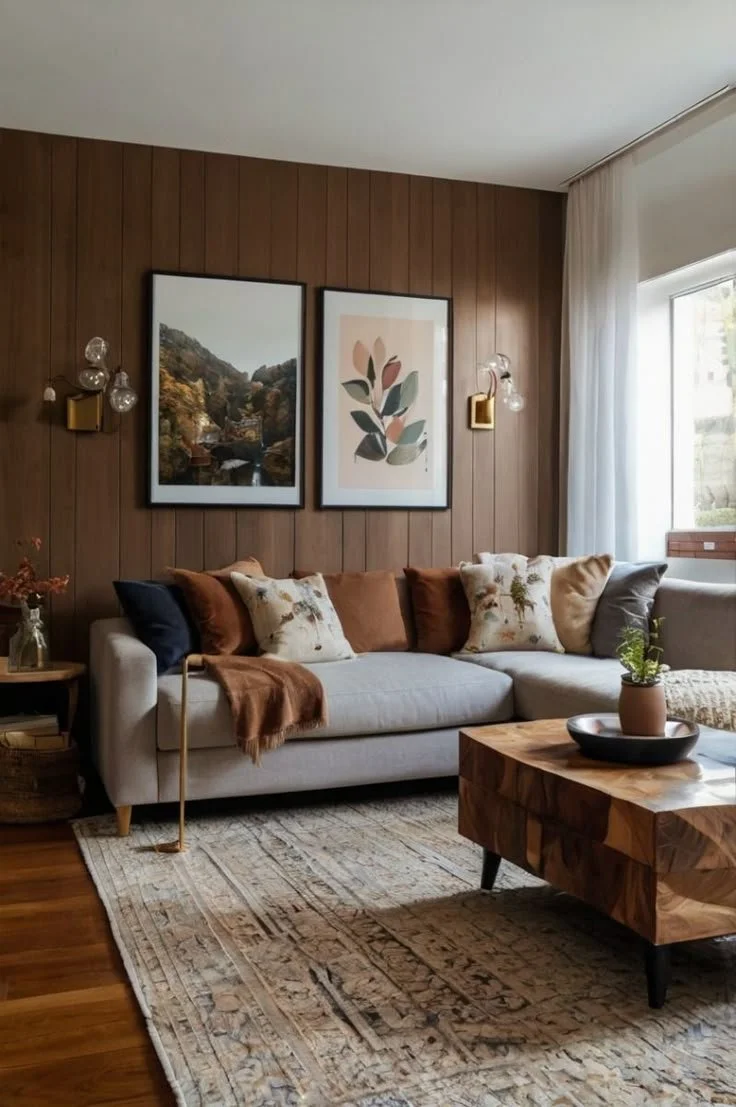
Wood continues to be a foundational material, but its expression is evolving. Thin wood slat walls, which dominated recent years, are giving way to larger panel applications with more visual weight and permanence. These panels bring a sense of scale and craftsmanship that feels more enduring.
Darker, richer wood tones: walnut, espresso, and stained oak are making a return. Used thoughtfully, these finishes add warmth and contrast while grounding a space. When paired with lighter materials and soft textures, darker woods create balance and a sense of depth without feeling heavy.
Details Matter Again
In 2026, details are once again a defining feature of good design. Trim, fringe, layered edges, decorative seams, and intentional transitions are being reintroduced as ways to elevate interiors beyond the purely functional.
These details don’t shout, they reward attention. They reflect a renewed appreciation for craftsmanship and the belief that small, thoughtful moments can significantly impact how a space feels. When done well, detailing adds character and individuality, helping interiors feel personal rather than generic.
Design That Feels Lived-In
At its core, this shift reflects a growing desire for spaces that feel authentic and lived-in. Interiors are being designed to support how people actually live, how they gather, relax, work, and connect. Rather than aiming for perfection or minimalism for its own sake.
Spaces in 2026 are meant to tell a story. They feel collected over time, layered with meaning, and comfortable enough to be used, not just admired.
Interior design in 2026 isn’t about chasing trends. It’s about creating environments with warmth, depth, and character. Spaces that feel personal, layered, and enduring.