
The Evolving Role of Technology in Today’s Churches and What It Means for the Buildings That Serve Them
Churches have always been places of community, connection, and shared experience. But over the last decade and especially in the last few years, technology has reshaped what “gathering” looks like. From dynamic production environments to seamless livestreaming, congregations are expanding their reach far beyond the walls of their sanctuaries. And as expectations shift, the buildings that support them must evolve too.
At Vessel, we’ve watched this transformation firsthand across our church projects. Technology is no longer an add-on. It’s an essential ministry tool and one that directly influences architecture and interior design from day one.
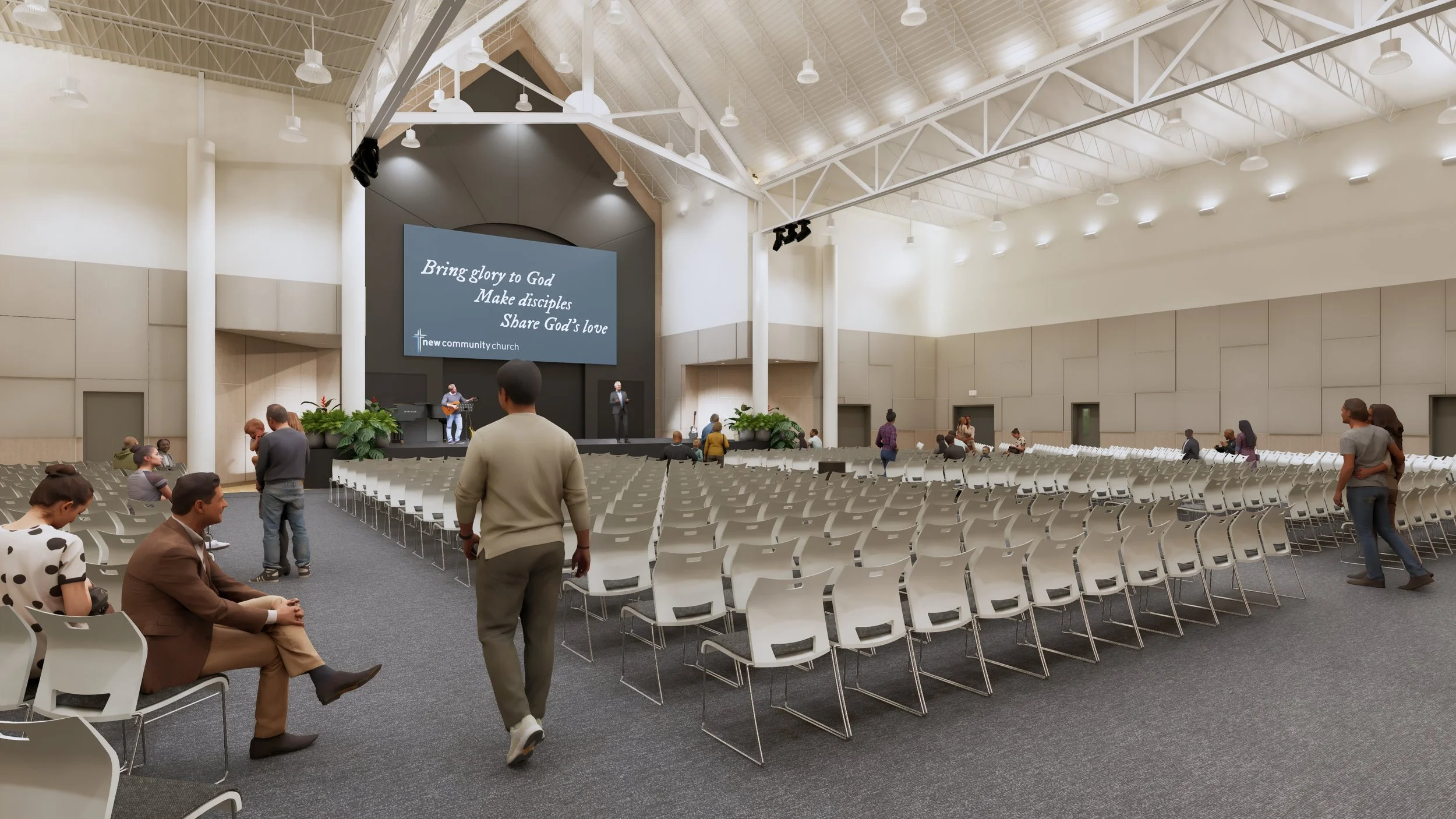
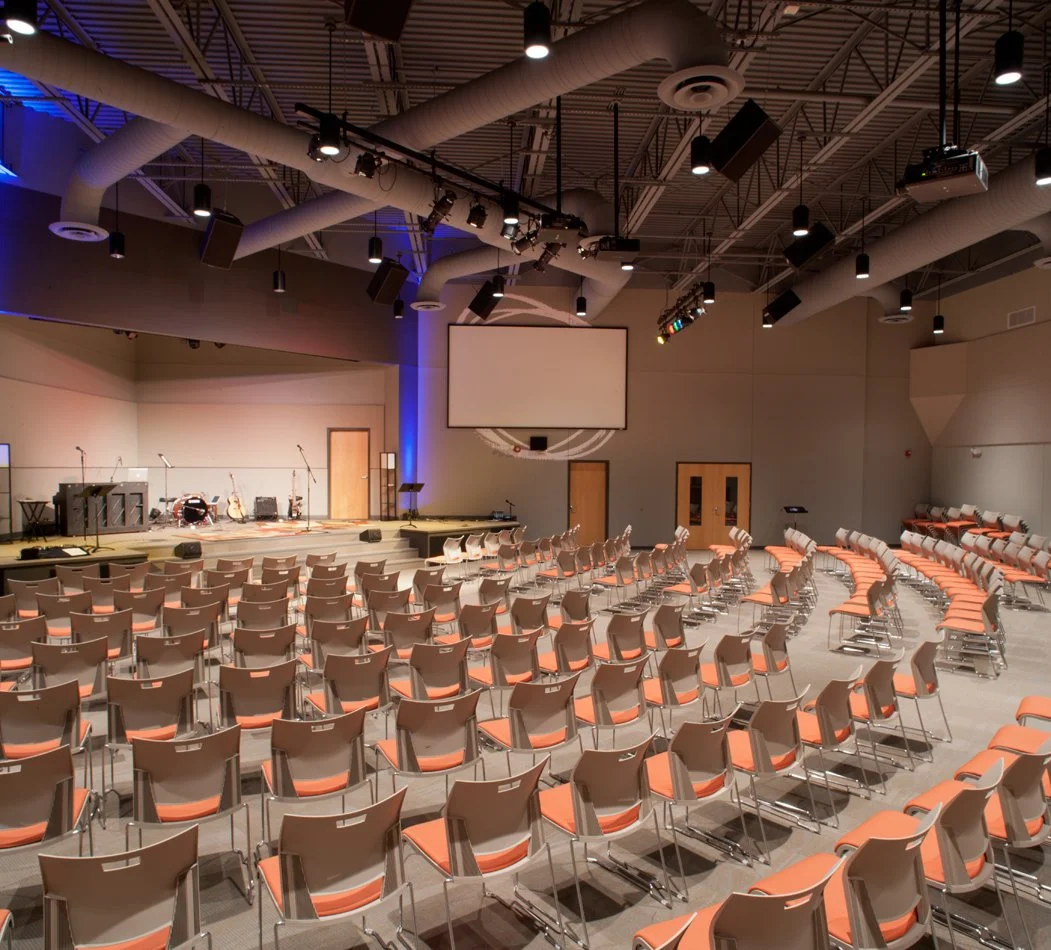
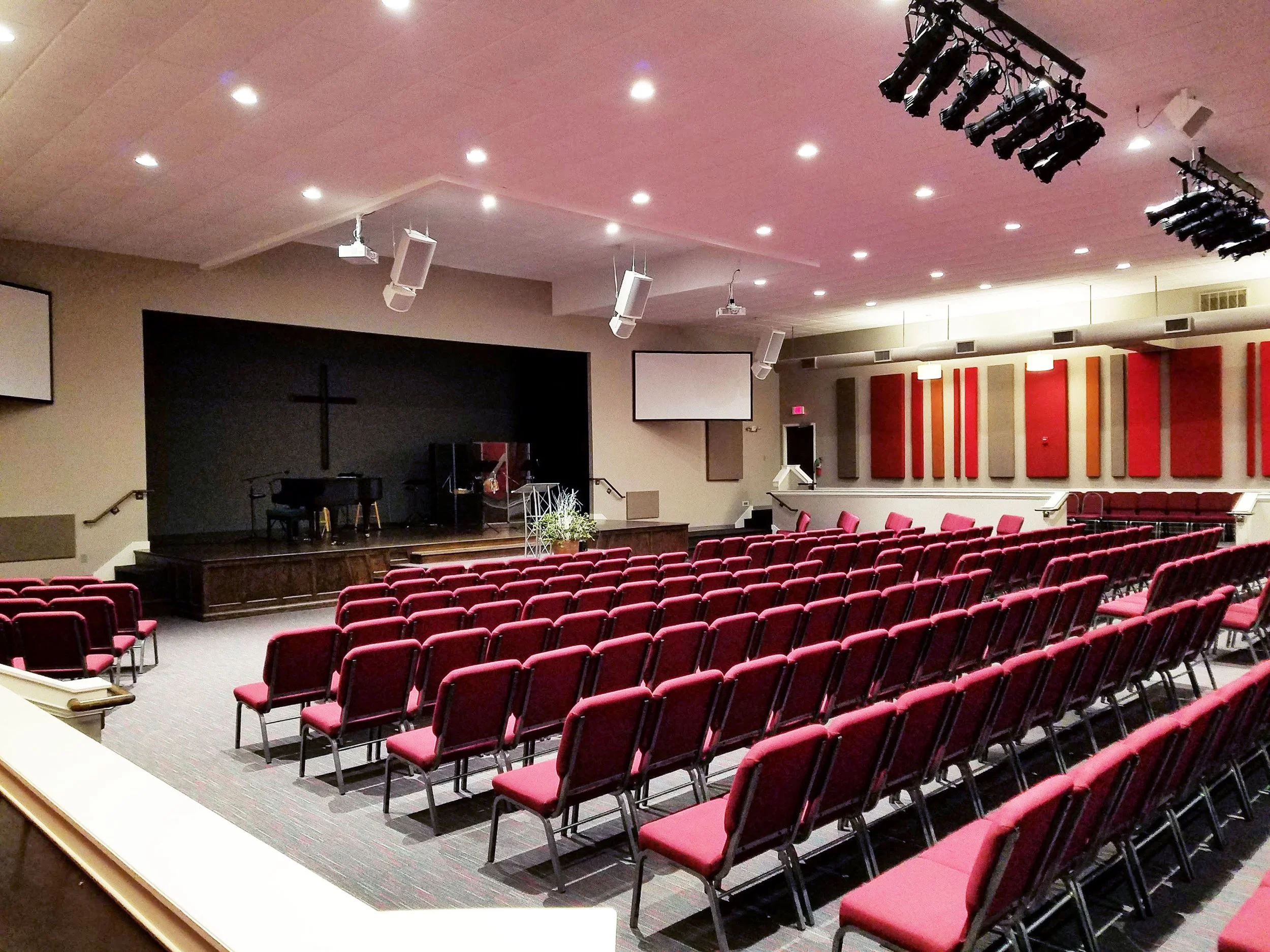
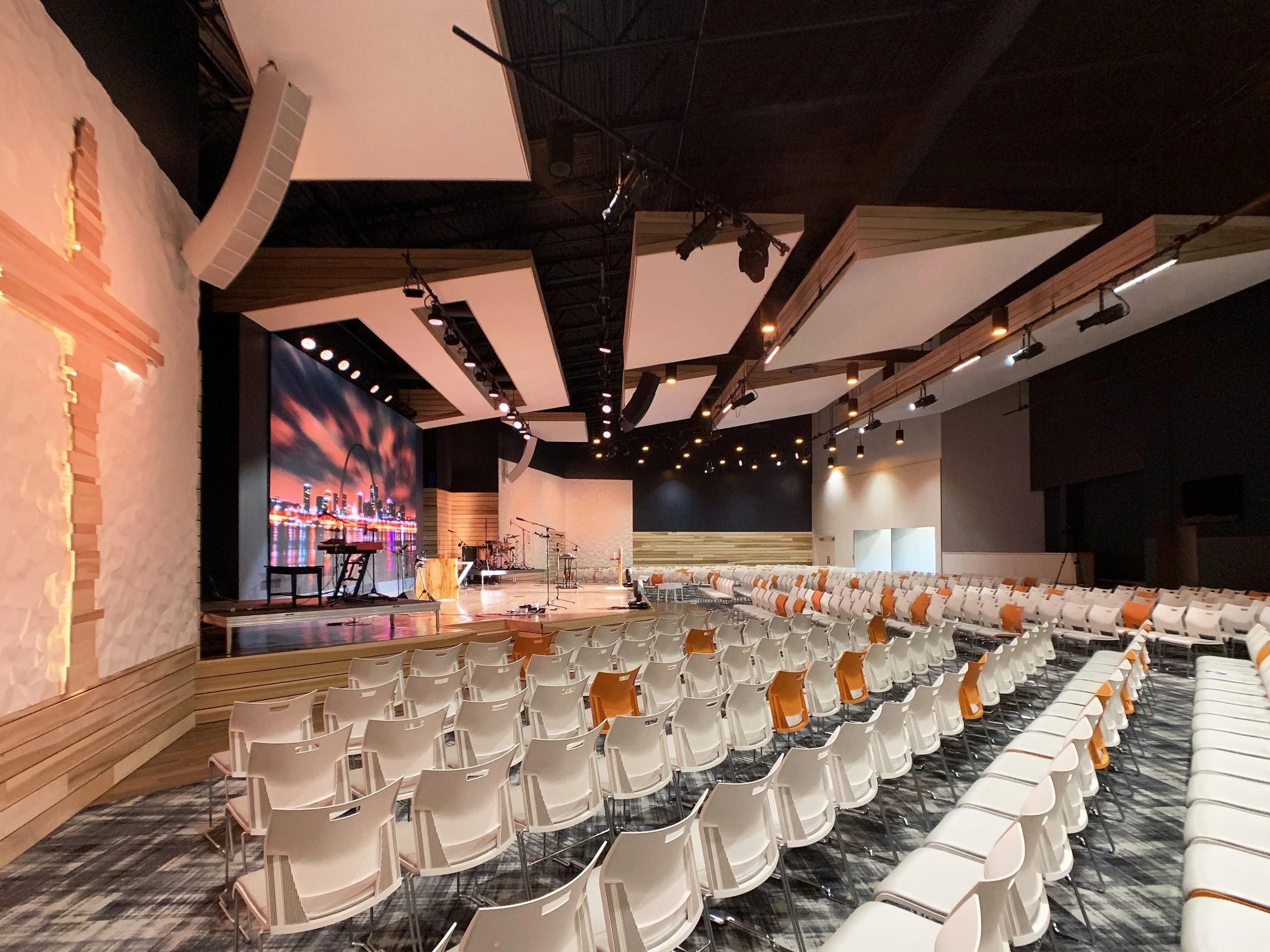
1. Worship is now a hybrid experience.
Nearly every church today operates in two worlds: in-person and online. Livestreaming isn’t just for large campuses anymore; small and mid-sized churches are adopting it as a primary outreach tool.
This shift means sanctuaries must function as both physical gathering spaces and broadcast environments, with considerations like:
Strategic sightlines for cameras
Controlled lighting zones
Acoustically balanced volumes
Dedicated tech booths sized for modern equipment
Back-of-house rooms for sound mixing, streaming control, and storage
The sanctuary is still the heart of the church, but now it also serves as a studio.
2. Production quality is rising, and so is the need for infrastructure.
Churches are operating with more sophistication than ever: multi-camera setups, LED walls, intelligent lighting, and immersive audio. This isn’t about performance for performance's sake; it’s about clarity, engagement, and creating a meaningful experience for those onsite and online.
Architecturally, this requires:
Higher electrical capacity
Accessible cable pathways and catwalks
Rigging points designed from the start
Quiet HVAC strategies that don’t interfere with recording
IT rooms that support increased bandwidth and server needs
Planning for these systems early reduces long-term cost and disruption, and ensures flexibility as technology continues to change.
3. Community is expanding beyond Sunday. Tech supports connection throughout the week.
Church buildings are no longer defined only by weekly services. They’re becoming hubs for events, classes, counseling, childcare, outreach, and small-group gatherings. Technology now plays a supporting role in nearly all of it.
We’re designing:
Multipurpose rooms with plug-and-play AV
Flexible classroom environments with screens and connectivity
Collaborative lounges that function for both ministries and community groups
The building becomes an active, adaptable ministry tool, not just a traditional facility.
4. Technology is enhancing accessibility and inclusivity.
For many people, online church is the first doorway into a faith community. For others: seniors, individuals with mobility challenges, and hparents with young children, it’s an essential alternative. Technology helps churches meet people where they are.
Design supports this through:
Assisted-listening systems
Clear camera placement that doesn’t obstruct sightlines
When tech and design work together, churches become more approachable, more inclusive, and more effective in their mission.
5. Buildings must be designed for long-term adaptability.
The only constant in technology is change. The churches that thrive are those equipped to pivot, upgrading systems without needing major reconstruction every five years.
We’re guiding our clients toward:
Future-ready conduit and backbones
Modular tech rooms with growth capacity
Flexible worship layouts
Infrastructure that can accommodate new platforms and emerging tools
The goal is simple: create buildings that evolve as ministry evolves.
Technology will never replace the core purpose of the church. But when used intentionally and supported by thoughtful design, it strengthens connection, expands reach, and helps ministries serve people more effectively.
The future church isn’t just a building. It’s a hybrid community, physical and digital, built around connection, clarity, and belonging. Architecture plays a crucial role in making that possible.
