What Hotels, Senior Living, and Multifamily Buildings Teach Us About Designing for Comfort, Care, and Belonging
In the world of building design, occupancy classifications often feel like the dividing lines, separating different codes, different uses, and different operational models. But when you look closer at how people actually experience these environments, the distinctions begin to blur. Hotels, multifamily residential, and senior living communities are all centered on the same core idea: creating a place where people feel at ease, supported, and connected.
Vessel has spent more than two decades designing senior living environments where people flourish. In recent years, our work has expanded into the multifamily sector, another realm focused on comfort, community, and the everyday rhythms of home. Hotels sit adjacent to these project types, offering a natural next step for our team because they share many of the same design drivers, user expectations, and operational realities.
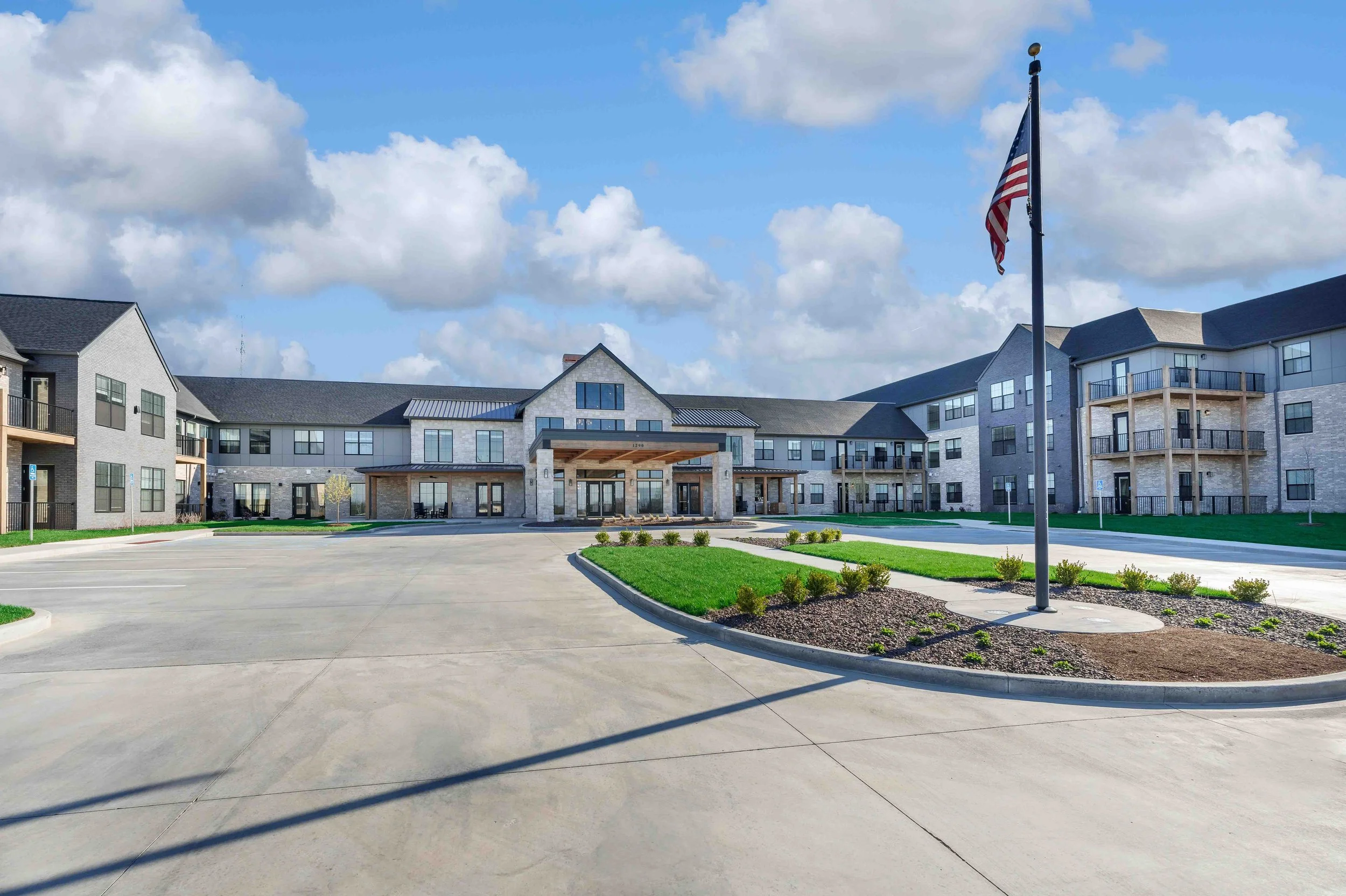
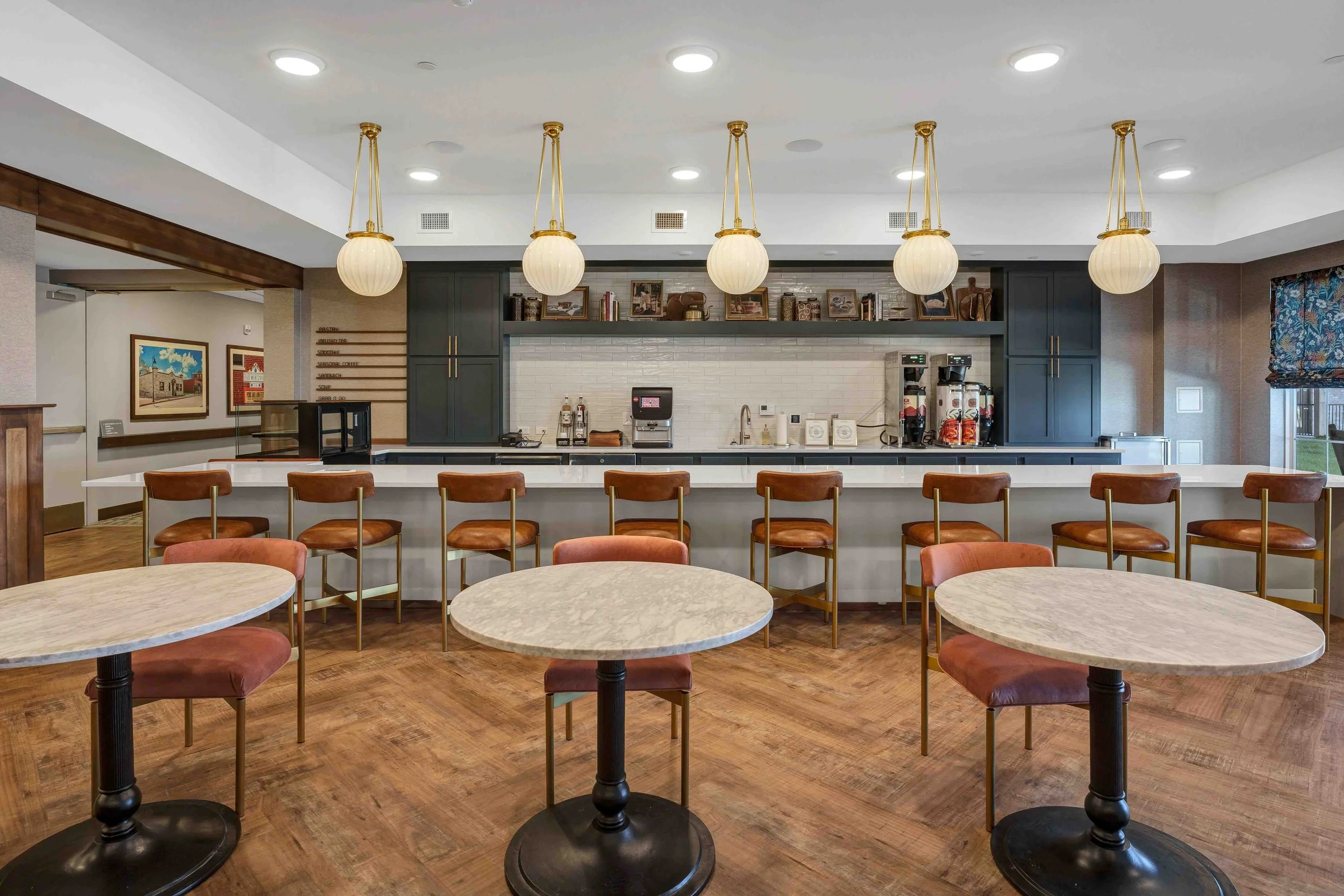
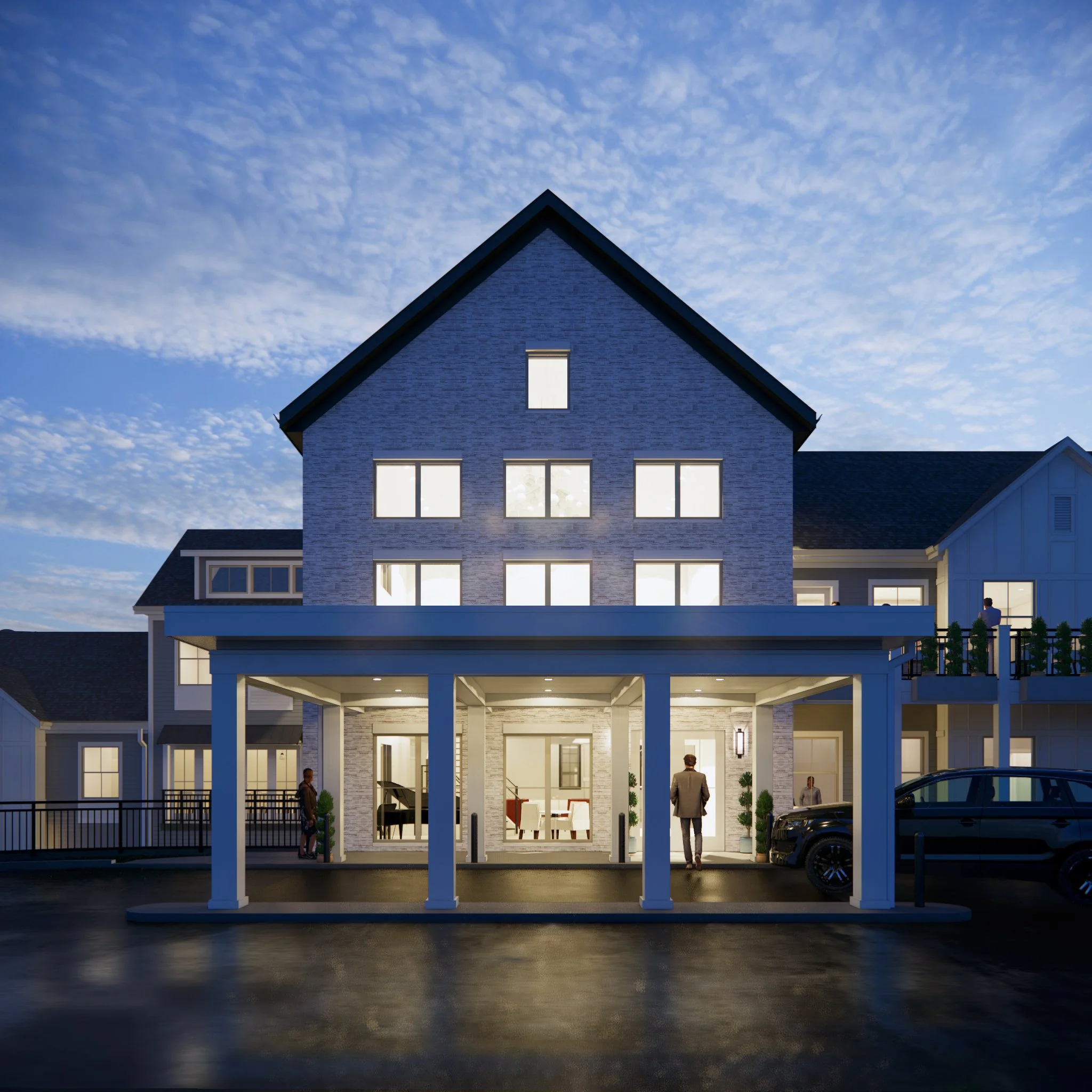
Here’s how these occupancy types overlap and where thoughtful design makes all the difference.
1. Hotels: A Temporary Home That Still Needs to Feel Like Home
Hotel guests may only stay a night or two, but the expectations are high. A great hotel balances hospitality, privacy, safety, and comfort, all core principles that mirror senior living and multifamily, even if the time spent inside is shorter.
Hotel design is ultimately about crafting an environment that anticipates needs: intuitive wayfinding, accessible layouts, warm materials, secure circulation, and amenities that make life easier. These are the same considerations we bring to communities where residents live full-time. The difference is scale and duration, not the design intent.
When you zoom in on the experience of a hotel guest, the questions are familiar:
Does the room feel welcoming?
Is the lighting calm?
Is the path from lobby to room intuitive?
Do public spaces support connection?
Does the building support safe, seamless operations behind the scenes?
These questions are second nature to us because they drive every senior living and multifamily project we deliver.
2. Senior Living: Hospitality at Its Highest Level
Senior living is, in many ways, hospitality with added layers of support. Code classifications may define it as a care environment, but for residents, it is home.
Good senior living design borrows heavily from hospitality to create warmth and dignity:
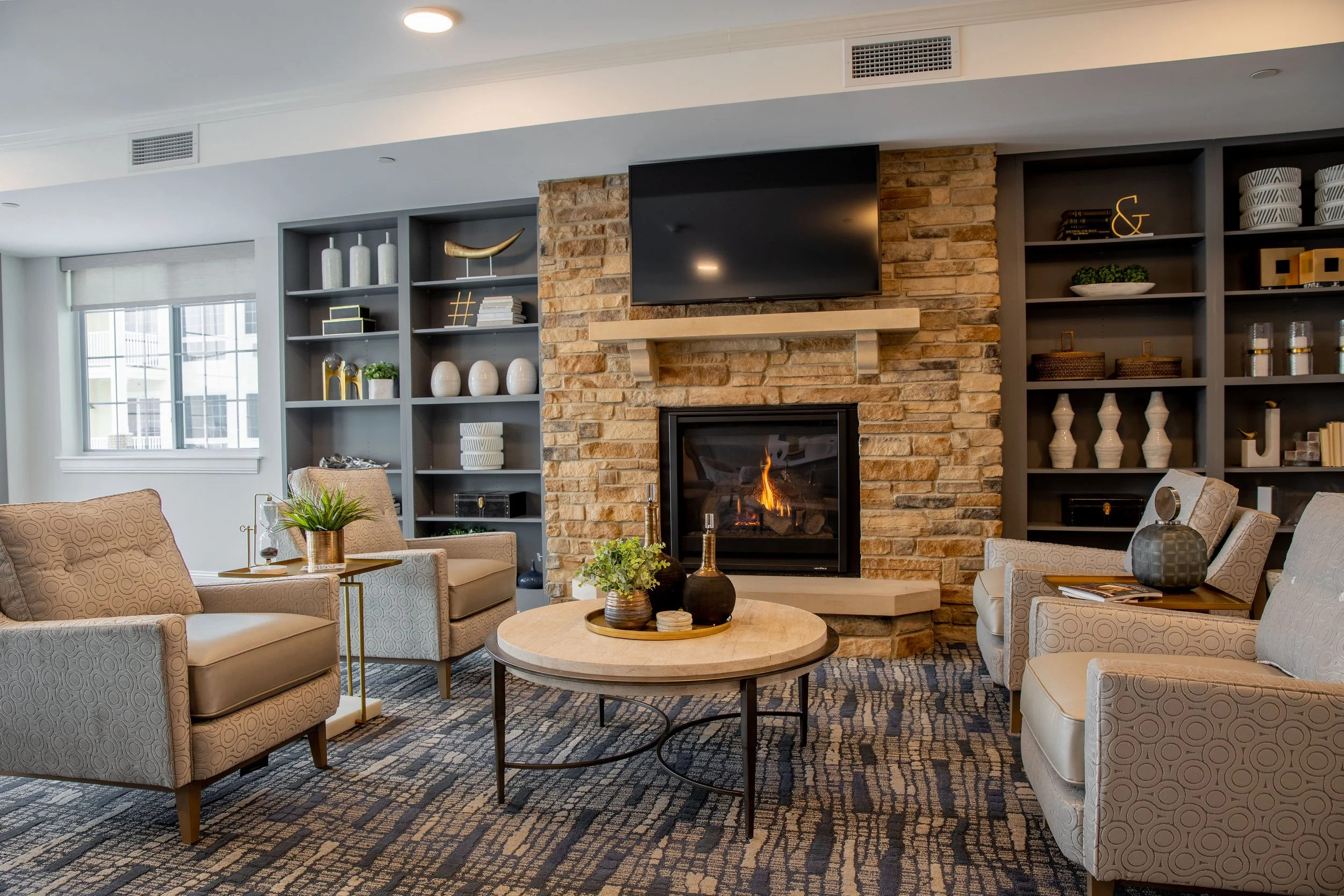
Comfortable private suites that feel personal
Restaurant-style dining instead of institutional food service
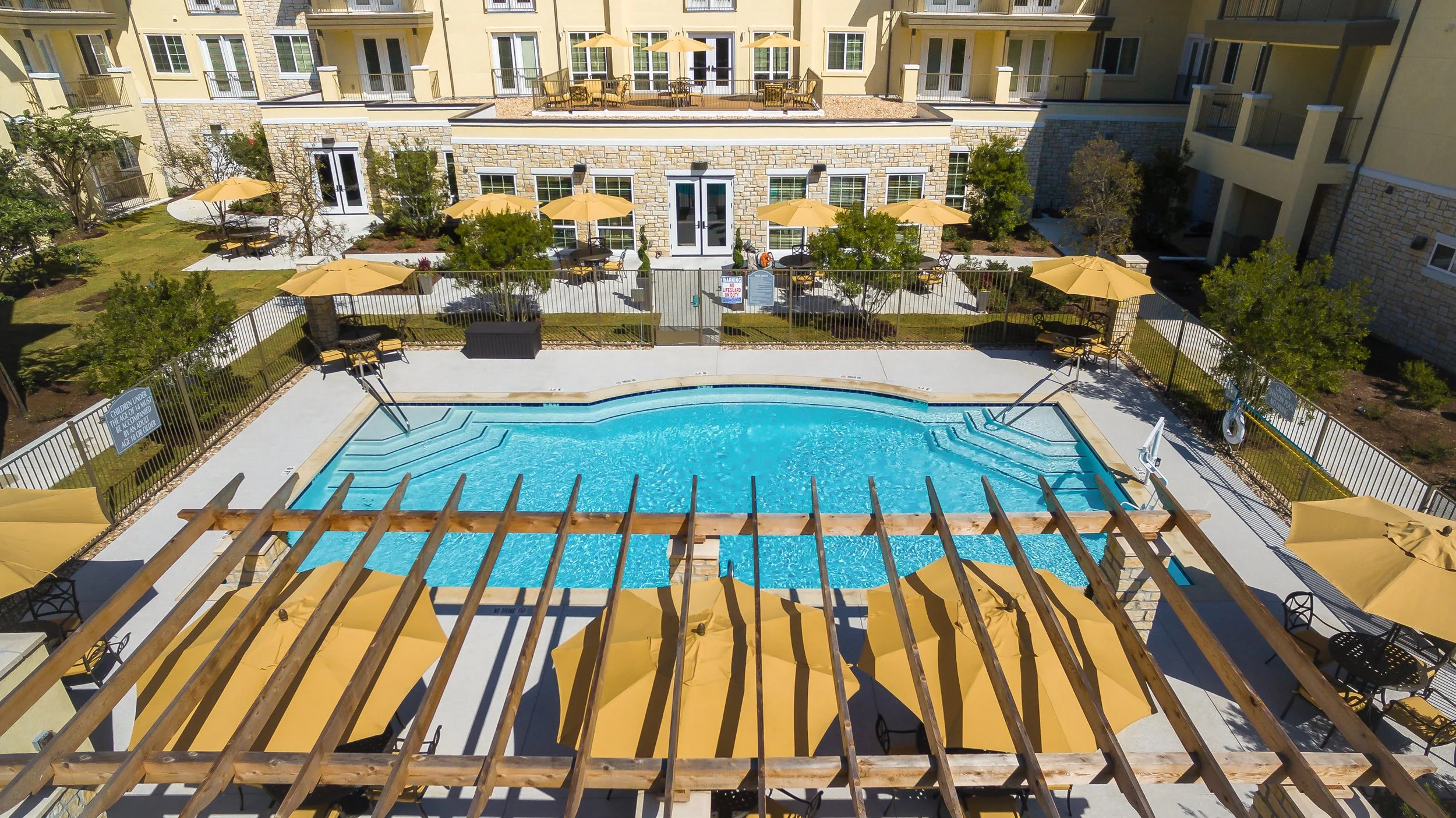
Lobbies, lounges, and courtyards that encourage social connection
Clear circulation for both residents and staff
Amenity spaces that enhance quality of life: fitness, salon, events, outdoor living
The operational needs are more complex than those of a hotel, but the emotional goals are aligned: every resident should feel cared for, respected, and anchored by a sense of belonging.
Vessel’s history in this sector has trained us to design with empathy. We think beyond the architecture and focus on the experience, how people move, rest, gather, and feel in a space.
3. Multifamily: Everyday Living and Community Building
Multifamily projects bring another layer of similarity. While they revolve around day-to-day living, many modern multifamily developments now integrate hospitality-inspired features:
Expanded amenities
Concierge-style services
Co-working and social gathering areas
Wellness-oriented programming
Thoughtful, durable finishes that still feel elevated
Like hotels and senior living, multifamily design rests on the idea that buildings shape lifestyle. People choose where to live based on how the environment supports their routines, their comfort, and their sense of connection.
Vessel’s work in this sector reinforces what we’ve always known: home isn’t just a unit, it’s the network of shared spaces that support community.
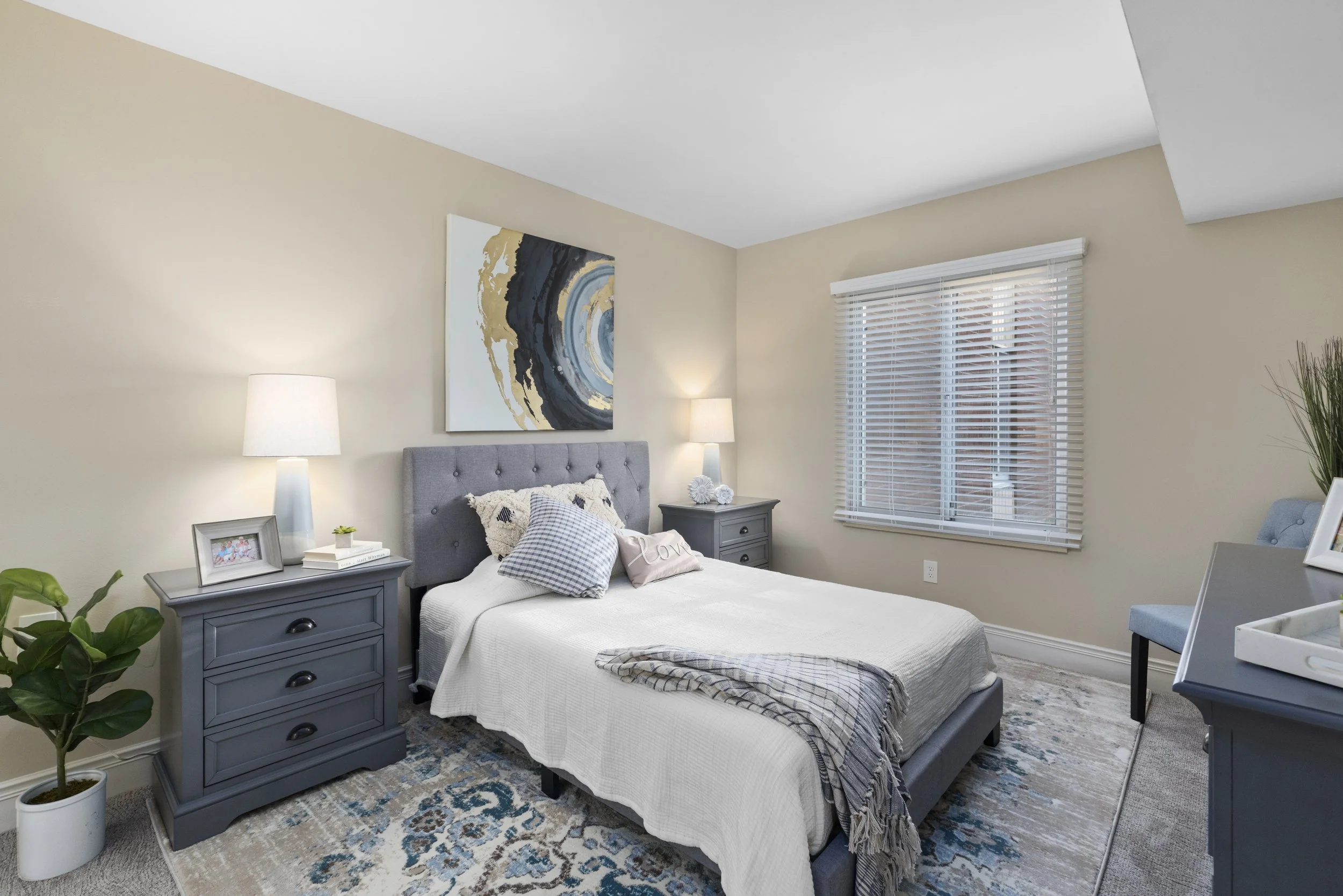
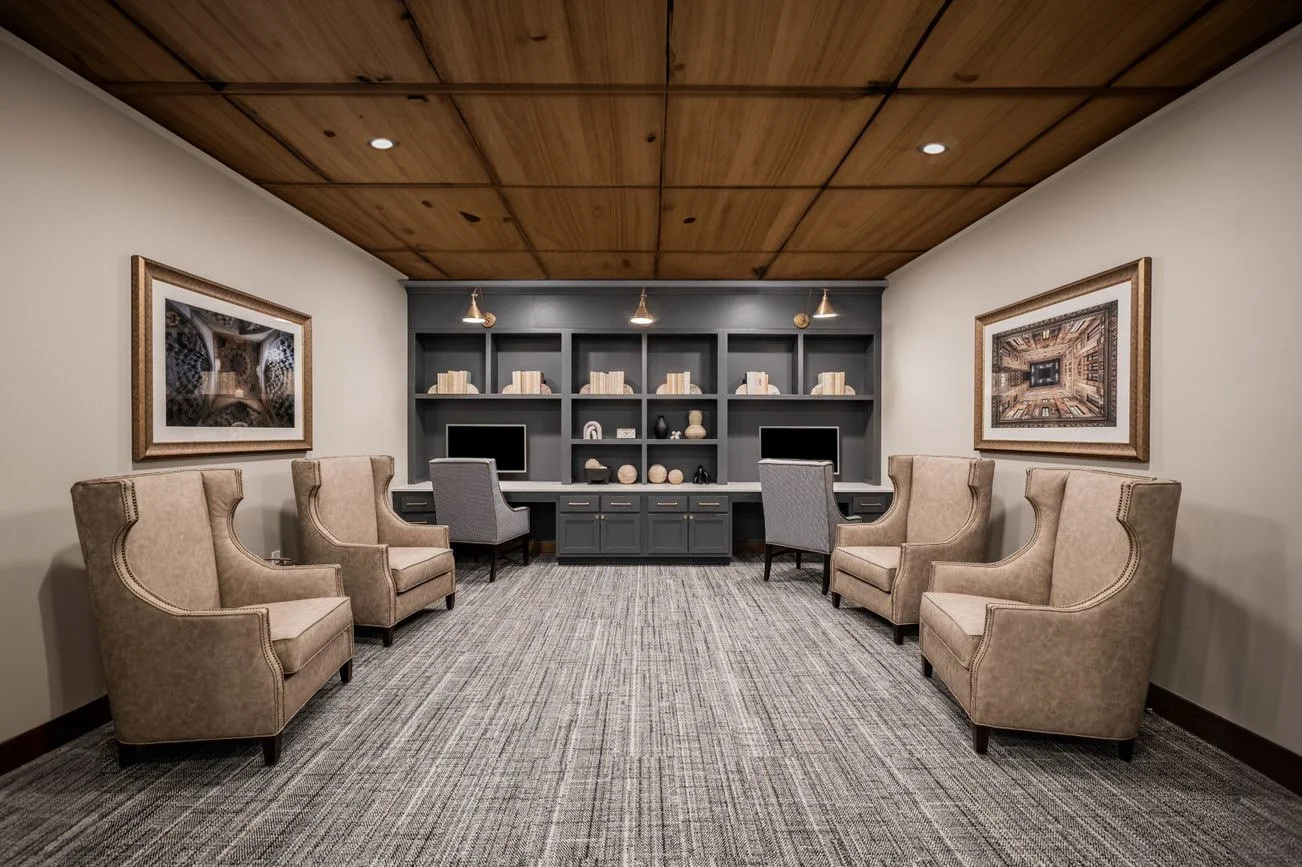
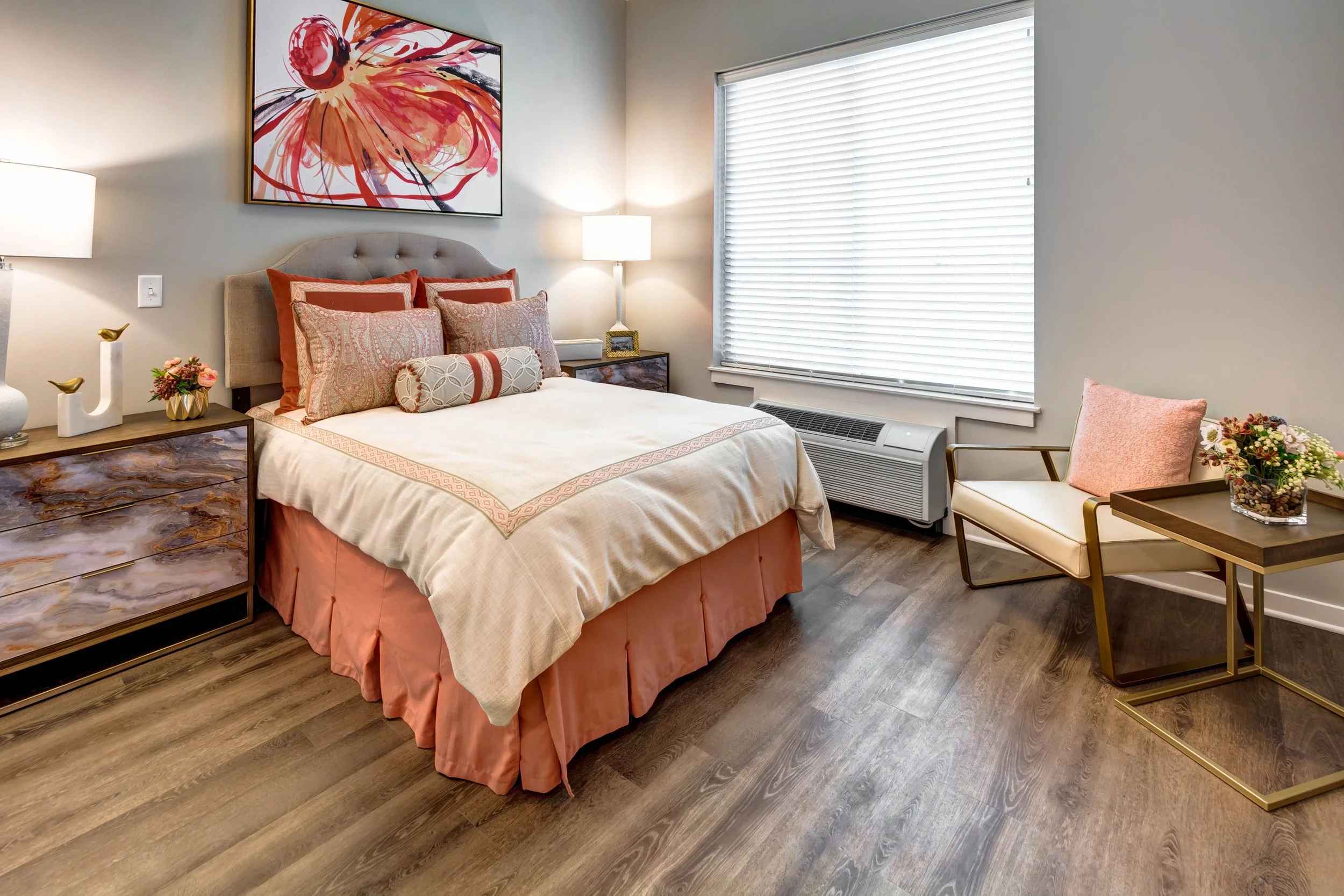
4. The Overlap: Comfort, Safety, and Human Experience
When you strip away the differences in occupancy type, the core design questions remain consistent:
Comfort: How does the space feel? Does it invite people in? Does it support rest and routine?
Safety: Are circulation paths clear? Are accessibility needs met? Do users feel secure?
Community: Are there places to connect? Are public spaces meaningful? Does the building support social life?
Identity: Does the design reflect the people who use it? Does it contribute to a sense of place?
Whether someone stays one night, one year, or a lifetime, these themes shape their experience. They are the principles that unify hotels, multifamily, and senior living, and they are the principles that guide our work.
5. Why Hotels Are a Natural Next Step for Vessel
With our foundation in senior living and our expanding multifamily portfolio, hotels are not a leap, they’re a progression.
We understand:
Guest and resident flow
Amenity-rich environments
High-touch hospitality experiences
24/7 operational needs
The psychology of comfort
The technical demands of safety and accessibility
Most importantly, we understand how to design environments that help people feel at home, whether they live there permanently or simply need a place to land for the night.
Our focus has always been on creating places where people flourish. Hotels give us another avenue to do exactly that.
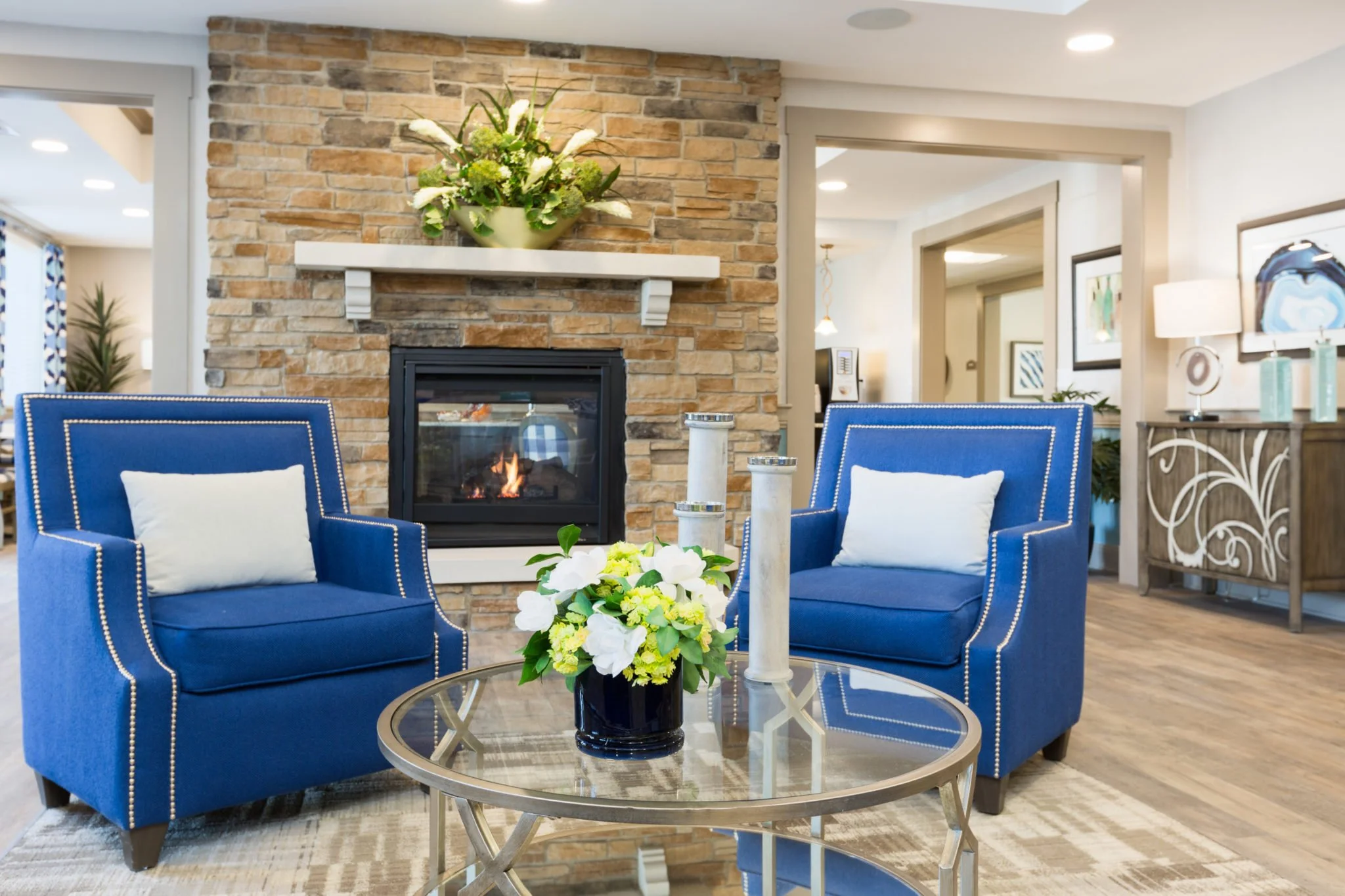
Looking Ahead
As we continue to broaden our work across sectors that share these human-centered values, our goal remains unchanged: design spaces that uplift people. Spaces that feel intuitive, warm, and connected. Spaces that serve both the individual and the community around them.
Whether it’s a guest, a resident, or a family returning home, the experience matters. And at the end of the day, that's what every great building, no matter its occupancy type, is truly about.