
Designing Spaces People Love: The Elements That Make Environments Feel Warm, Welcoming, and Human
Love takes many forms: connection, comfort, belonging, familiarity. Great design isn’t all that different. The spaces people fall in love with aren’t defined by trends or finishes alone; they’re shaped by how those environments make us feel.
At Vessel, we think about that a lot. Whether it’s a senior living community, a multifamily development, a church, or a workplace, the goal is the same: create places where people feel grounded, understood, and at home.
Here are the elements we believe turn a building into a place people love.
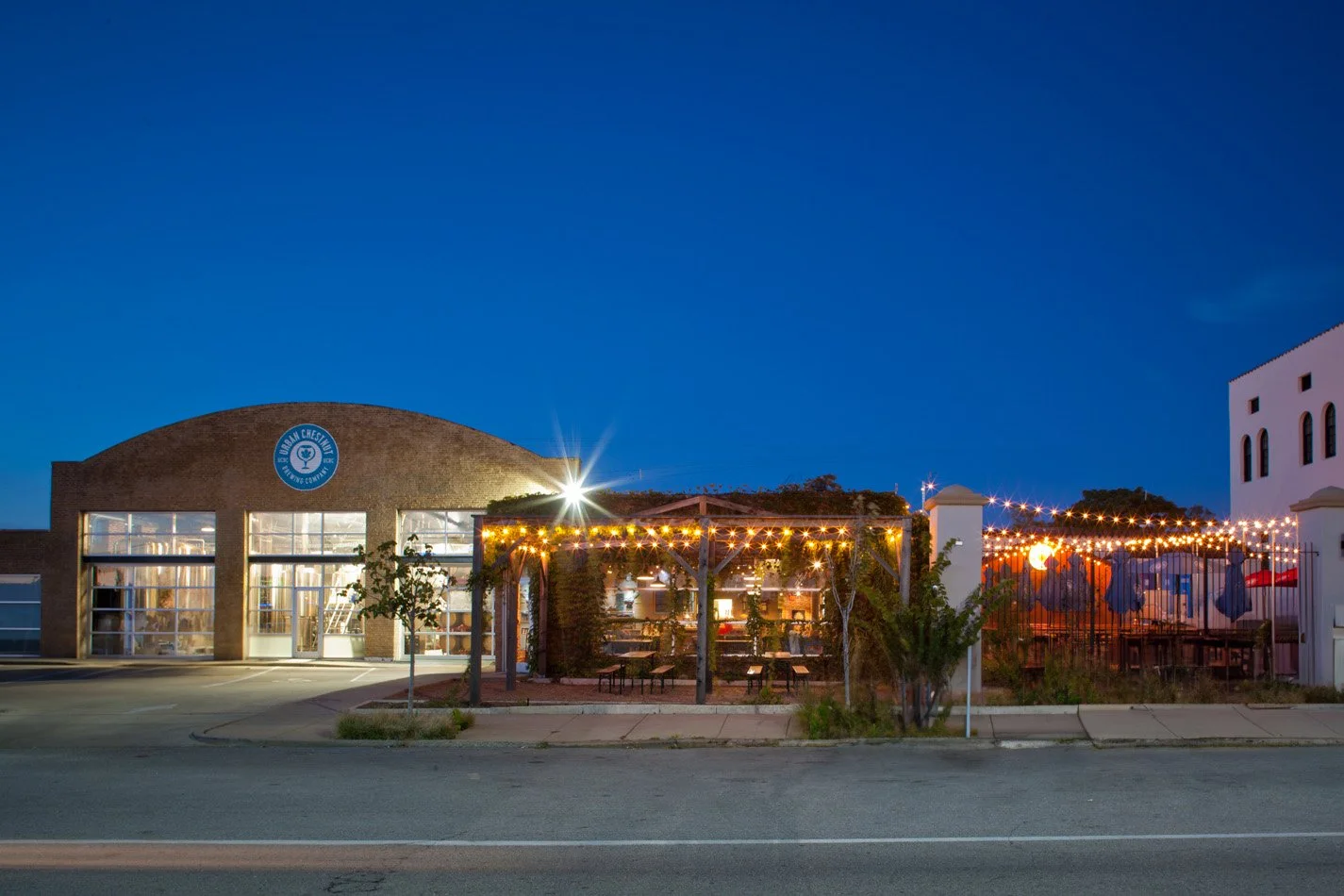
1. Emotional Warmth Through Materiality
Materials can set the tone long before anyone speaks. Warm woods, soft lighting, textured fabrics, and natural colors signal comfort and authenticity. When the palette feels human, the space does too.
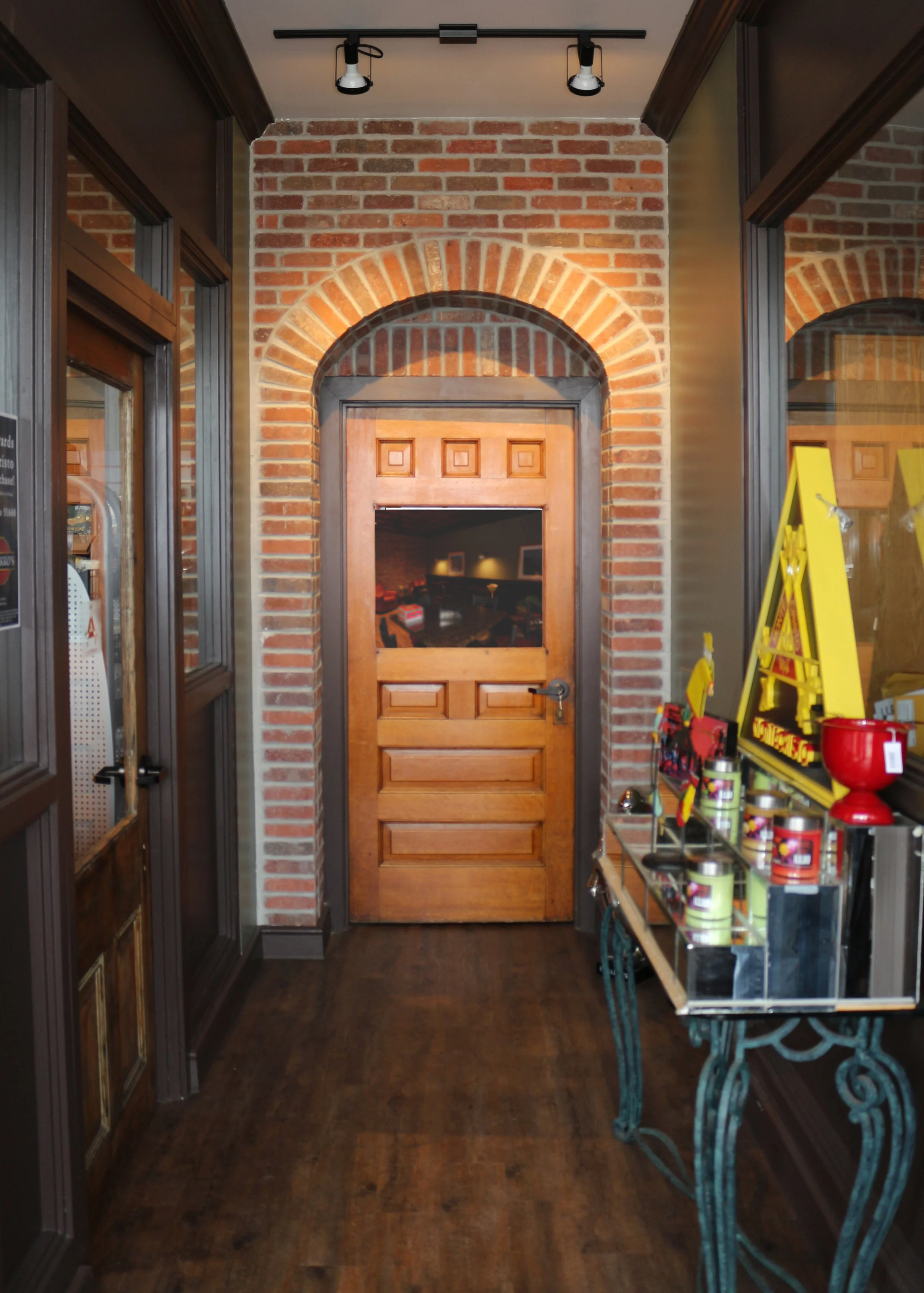
In senior living, that means embracing finishes that remind residents of home. In multifamily, it’s about atmosphere: spaces that feel lived-in, not staged. Across every sector, warmth matters.
2. Spaces Designed for Real Human Behavior
People don’t move through buildings in straight lines; they wander, linger, gather, and drift. Design must account for the ways people actually behave.
Niches for impromptu conversation
Generous hallways that feel welcoming instead of utilitarian
Dining layouts that encourage choice and autonomy
Living rooms and lounges that invite connection, not formality
These moves quietly support community: no forcing or choreography, just good design.
3. Lighting That Sets the Mood
Light can make or break emotion. Thoughtful lighting design supports comfort, safety, and atmosphere:
Soft, layered lighting for dining and social spaces
Daylight integration to boost wellbeing
Tunable light for aging eyes in senior living
Accent lighting that showcases texture, art, and architectural character
When lighting is handled well, people rarely notice it, but they always feel it.
4. Thoughtful Transitions and Thresholds
People love spaces that greet them, not overwhelm them. A welcoming entry, a framed view, and a clear sense of orientation; these elements make environments feel intuitive and respectful.
Transitions set the emotional pace. They create little moments of “pause” that help us catch our breath and settle in.
5. Environments That Tell a Story
Love is tied to meaning. So are memorable spaces.
Good design honors context: history, culture, community, and the people who will use the building every day. When a project’s story is woven into its architecture, users feel connected to something bigger than themselves.
Buildings that tell a story are buildings people return to.
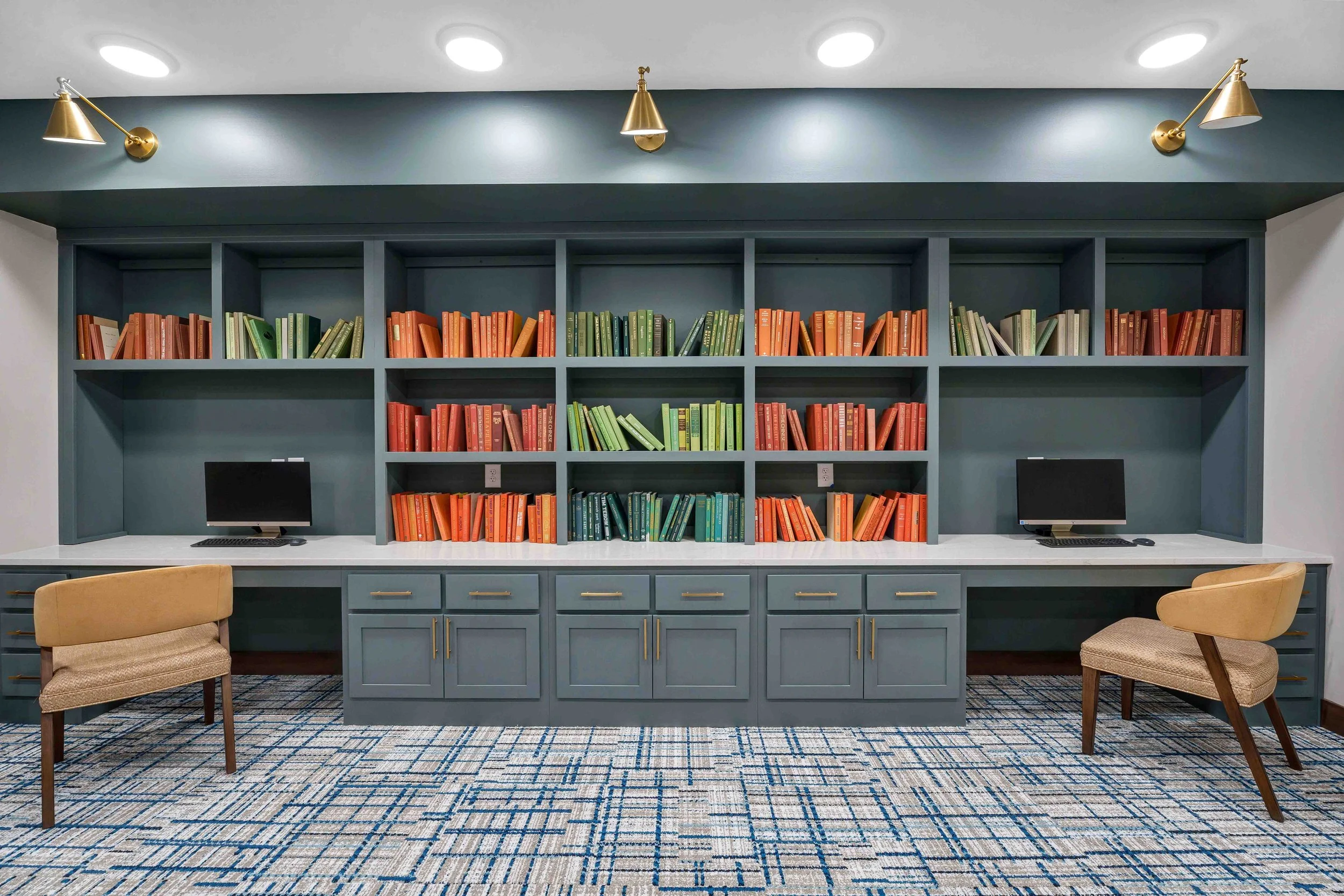
6. Spaces That Support Connection
Valentine’s Day is about relationships, and so is design.
The best environments encourage people to share life:
Flexible seating that lets groups grow or shrink
Outdoor spaces that feel inviting year-round
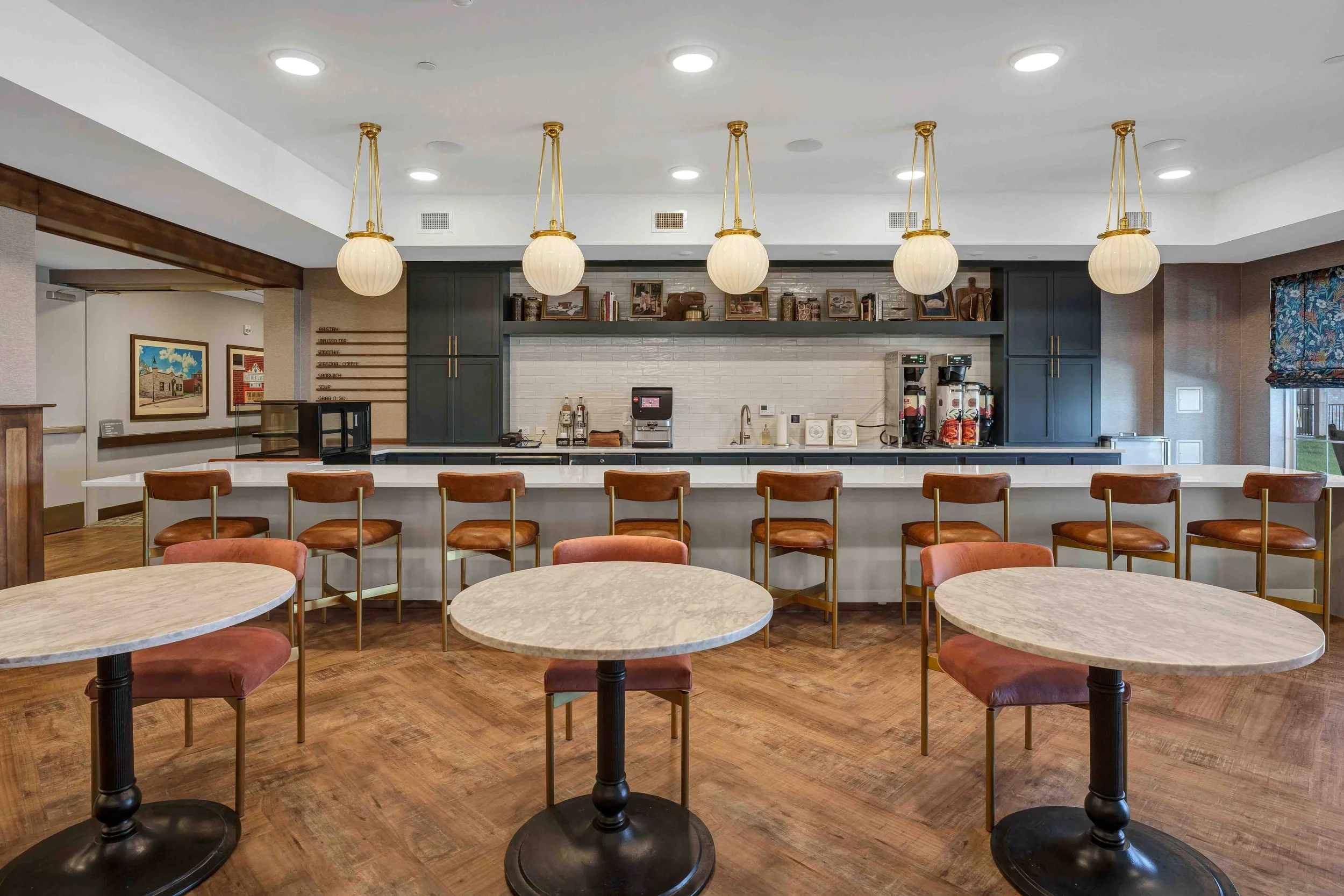
Coffee nooks and casual gathering spots
Dining venues with personality: bistros, lounges, chef’s tables
It’s not about the size of the space; it’s about the opportunities for connection.
7. Design That Feels Personal
The spaces people love feel tailored, not generic.
In senior living, that might mean memory-support environments that support dignity and independence. In multifamily, it’s the amenities that reflect how people actually live. In churches, it’s worship spaces that support a range of experiences: intimate, energetic, reflective.
Personal design shows people they matter.
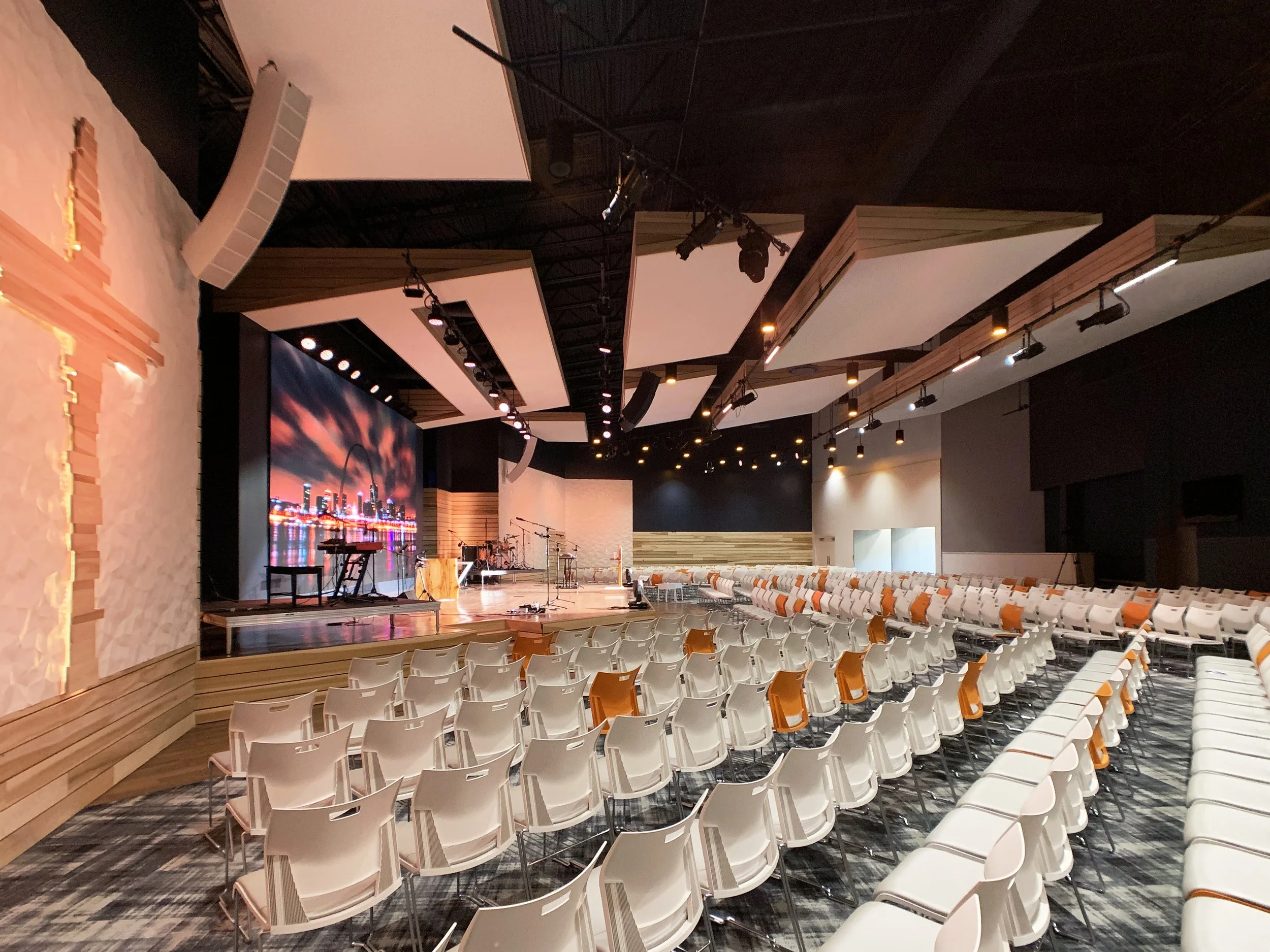
In the End, People Fall in Love With How a Place Makes Them Feel
On Valentine’s Day, or any day, design is ultimately about care. When we focus on warmth, clarity, choice, and human behavior, we create environments that feel deeply welcoming.
Buildings can’t love you back, but they can absolutely make you feel at home. And that’s when architecture becomes something more than walls and structure, it becomes connection.
