
My first construction lessons did not happen on a job site. They happened in my grandfather’s woodshop.
I had a school assignment where we were told to take any material that resembled a bone and turn it into a structure. There was no outline. No step-by-step instructions. Just an open prompt. We were going to my grandparents’ house that weekend, and I remember thinking this was my chance. I told my grandfather I wanted to use wood and shape it into a bone. Not just any structure, but an outdoor covered auditorium. I could see it in my head.
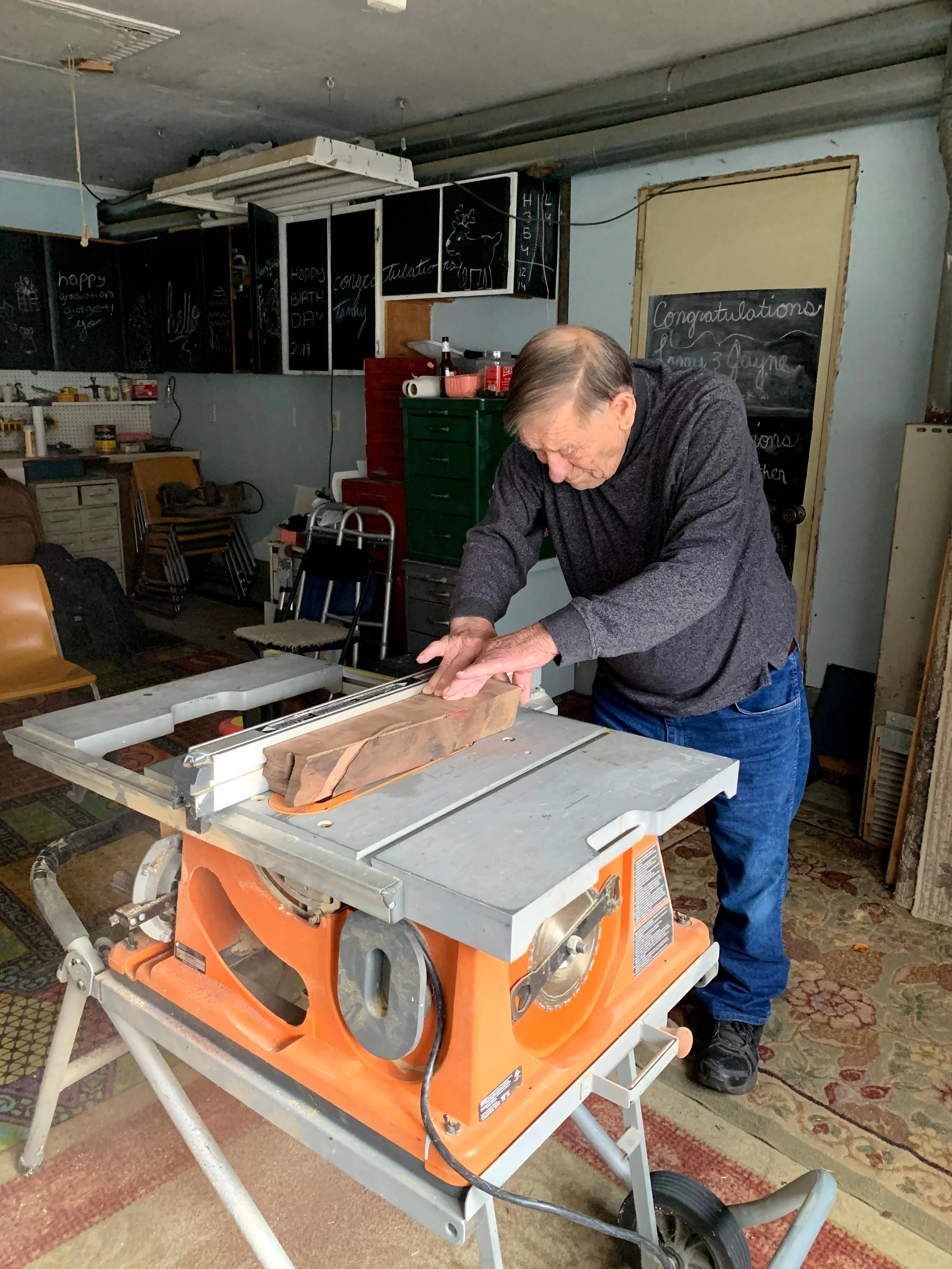
We stood side by side in his shop while he helped me carve that piece of wood into the shape I had imagined. He showed me how to guide the saw. How to sand, how to slow down. He could see the finished piece before I could, and he patiently helped me catch up to the vision.
That weekend was not just about a school project. It was about learning that ideas become real through skill, patience, and someone willing to teach you.
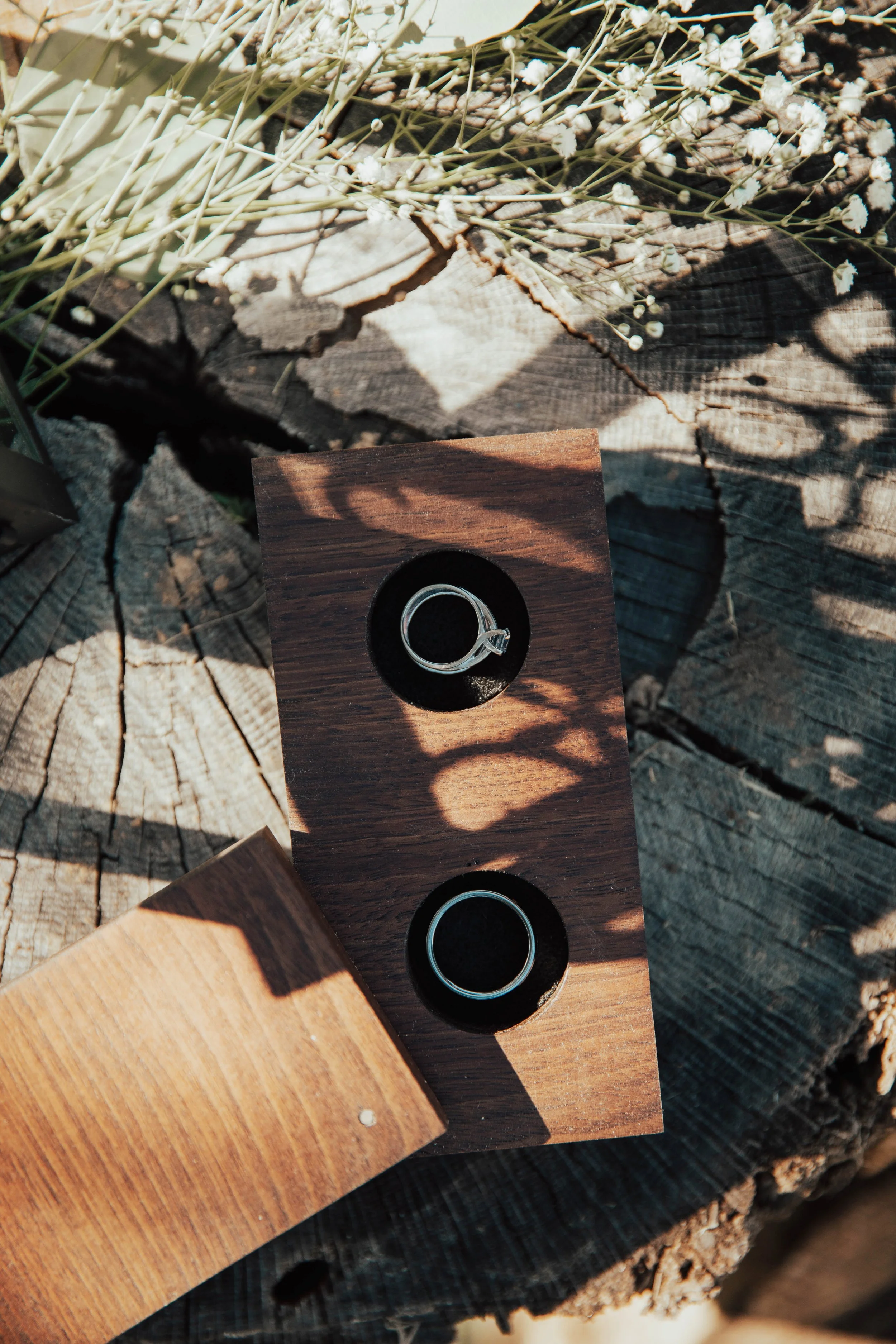
Years later, before my wedding, I asked him to help me build the ring box for the ceremony. We started with a solid piece of walnut and slowly shaped it into a box with a pivot hinge to hold our rings. Every cut mattered. Every adjustment was intentional. I remember thinking how special it was that something built by our hands would hold something so symbolic.
What I did not realize then was how deeply those moments were shaping my understanding of construction. Building is not just about materials. It is about patience, vision, and trust in the process.
Years later, when I graduated with a degree in Interior Design during our last recession, it was not exactly the perfect time to be job hunting. I found myself asking bigger questions about where I wanted to go and what kind of impact I wanted to have.
Interior design taught me how people experience a space. But I wanted to understand the entire building. I wanted to shape not just what happened inside the walls, but the walls themselves. I wanted to think about structure, sustainability, and how architecture could influence communities for generations.
That desire led me back to school for architecture at the University of Colorado Denver.
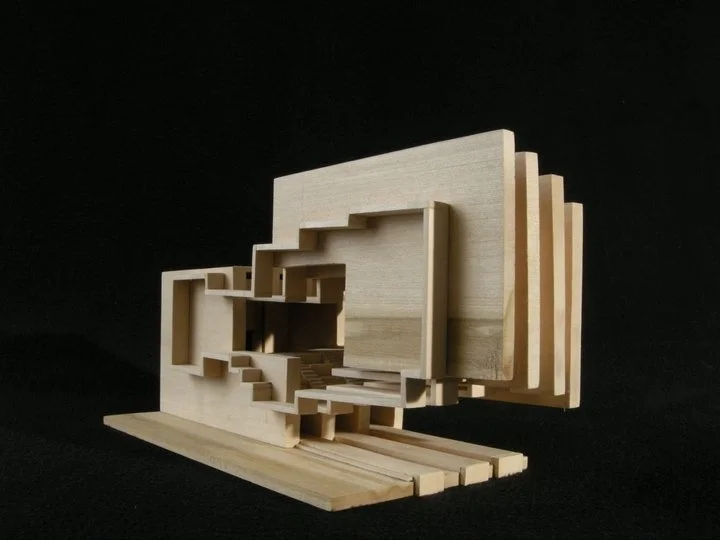
Some of my favorite days there were spent in the woodshop building models. Cutting basswood. Gluing tiny joints together. Feeling that familiar satisfaction of turning an idea into something tangible. It felt like coming home in a way.
Then came Design Build Bluff.
Our team partnered with a single mother of five from the Navajo Nation in Bluff, Utah. We designed her home and then moved to the desert to build it ourselves. The walls were poured with layered concrete, mixed by hand, one bucket at a time. We oriented the home to the south to maximize solar gain, allowing the thermal mass of the concrete to help regulate temperature. We installed an efficient wood-burning stove to provide reliable heat. The plan was linear, intentionally placing the living space between the mother’s room and the children’s rooms so she could have privacy and a place of rest.
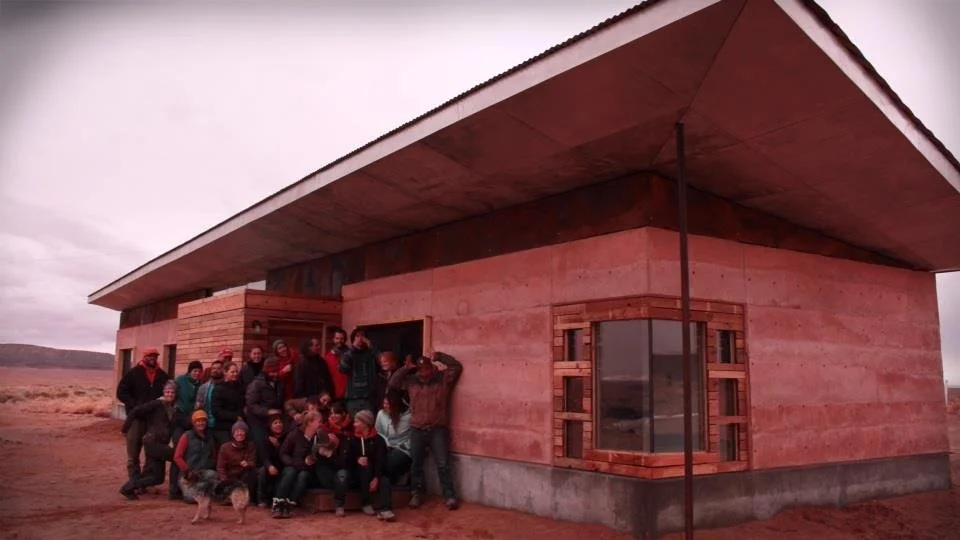
Fourteen of the twenty-one students on that build were women. There was no competition. No ego. Just a shared understanding that this house had to be finished. If we did not complete it by the end of the semester, that family would not have a home until the next group arrived the following year.
I led the budget team, coordinating our efforts and making sure we stayed on track. We called companies asking for material donations and tracked every expense carefully. I was responsible for ensuring it all came together. I learned quickly that construction is not just about design. It is about timelines, logistics, weather, and delivery schedules.
Mixing concrete in the desert heat changes you. You begin to understand what a line on a drawing truly represents. It represents labor. It represents cost. It represents someone lifting, placing, fastening, finishing.
That experience followed me into my professional career.
When I moved to St. Louis and began attending job sites as a young architect, I carried Bluff with me. I knew what it felt like to lift materials. I understood how small detailing decisions could either help or frustrate a crew. I respected the superintendent’s role because I had felt the pressure of a real deadline tied to real people’s lives.
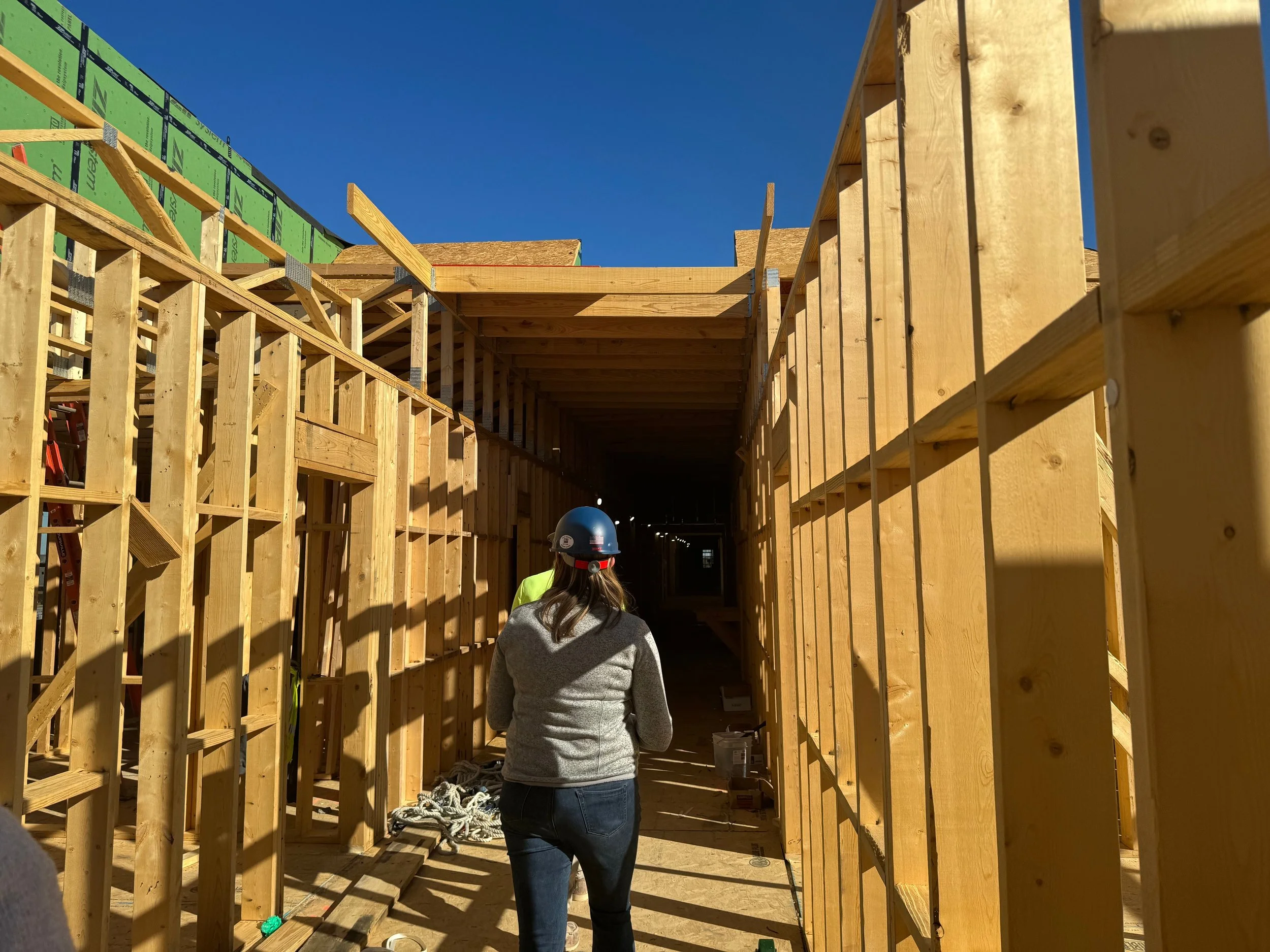
As a woman in construction, there have been moments where questions were directed to male colleagues first. Moments where I had to calmly insert myself back into the conversation. Moments where credibility had to be established through consistency rather than assumption.
I do not take those moments personally. I understand that construction has long been male-dominated. But I also understand that the industry is evolving.
I enjoy dressing up. I enjoy being feminine. I also enjoy walking onto a job site in jeans and boots, ready to talk through a detail. Those identities are not in conflict. They are both mine.
Over the years, I have built relationships with superintendents and crews who now know that I will show up prepared. That I will listen. That I will solve problems collaboratively. Respect grows from that.
At home, I still have a woodshop. I build custom tables and small projects when I can. It keeps me connected to the physicality of what we do. It reminds me that construction is not abstract. It is hands, tools, weight, and time.
During Women in Construction Week, I think about the women pouring concrete, running heavy equipment, managing crews, detailing drawings, leading firms, and advocating for better buildings. The women who wake up early, lace up boots, and step into spaces that once told them they did not belong.
We belong. Not because we are trying to prove something. Not because we are trying to compete. But because we care deeply about the craft. Because we see the vision. Because we are willing to do the work.
Construction is about building something that lasts. And the more diverse the voices shaping it, the stronger it becomes.
The construction industry has taught me something else. When you show up consistently, respectfully, and competently, you carve out your place.
And once you are there, you help hold the door open for the next woman walking in.
