What Happens in Schematic Design and Why It Matters More Than You Think
Schematic Design is where a project truly begins to take shape. It’s the phase where ideas move from abstract goals to a tangible, testable vision. While it’s still early in the process, decisions made here quietly influence everything that follows, from budget and schedule to how the building ultimately feels and functions.
This is not about locking in finishes or finalizing details. It’s about setting the foundation.
Defining the Big Moves
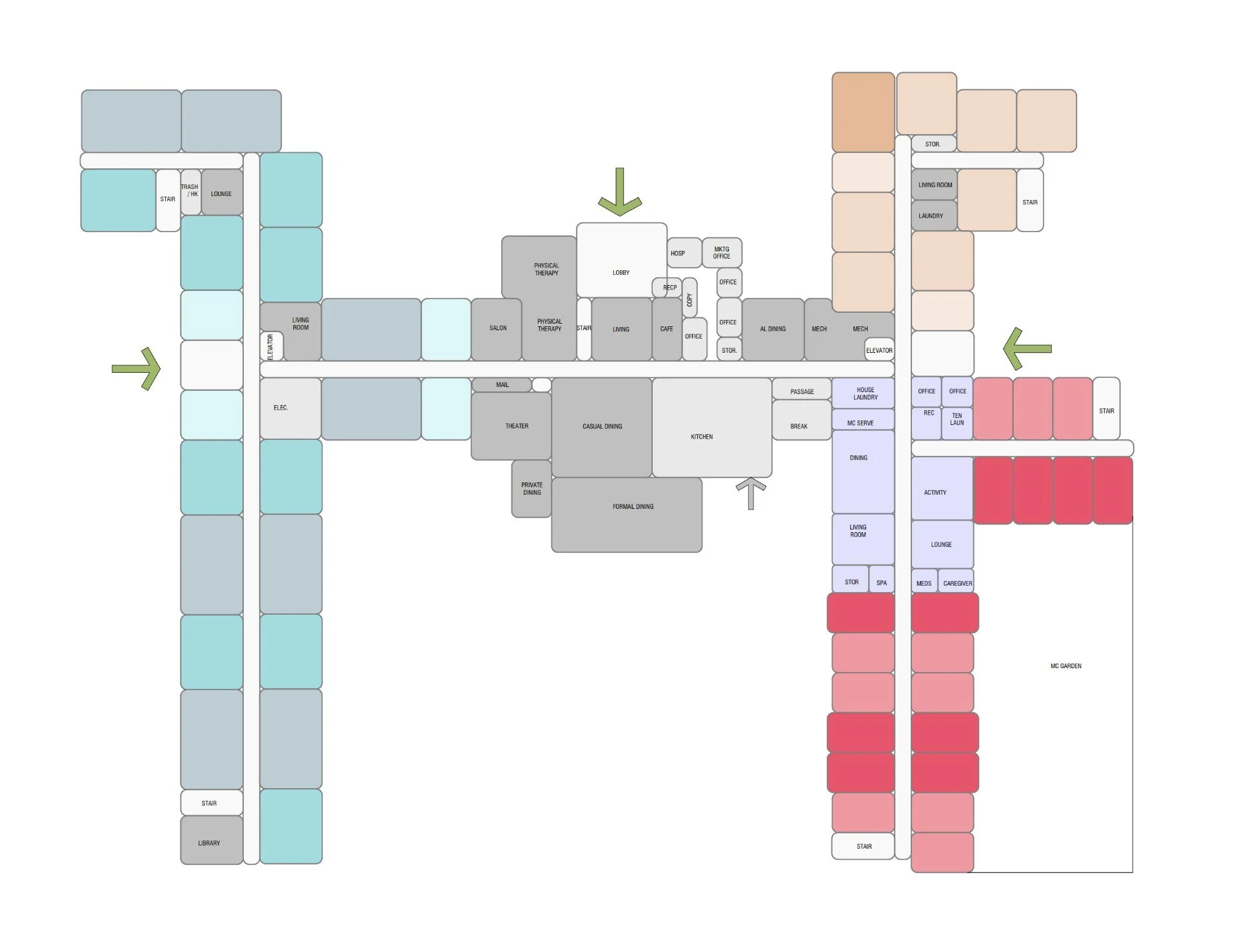
Schematic Design starts with the fundamentals. We look at the overall layout, how major spaces relate to one another, how people move through the building, and how the building sits on the site. These “big moves” establish the project’s bones: circulation paths, adjacencies, scale, massing, and orientation. When these decisions are thoughtful, the building works intuitively. When they’re rushed, problems tend to surface later, when they’re harder and more expensive to fix.
Exploring Concepts Without Over-Commitment
This phase is intentionally exploratory. We test multiple ideas through sketches, diagrams, and early studies. The goal is to ask questions and pressure-test assumptions: What if we rotate the building? What if this space becomes the social heart? What if we flip public and private zones? Because we’re not deep into documentation yet, we can explore possibilities without over-investing in a single solution too soon.
Establishing the Project’s Story
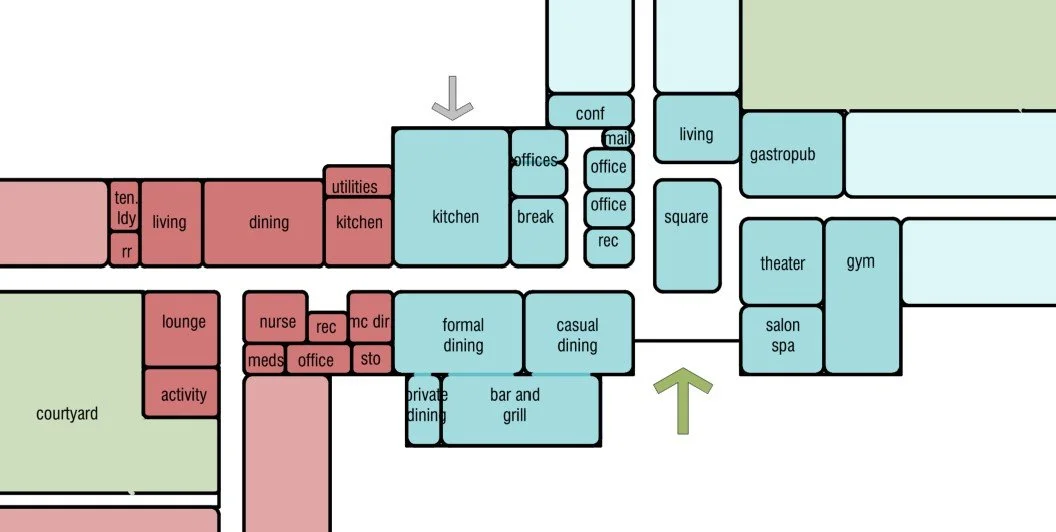
Every successful building has a clear narrative. Schematic Design is where that story takes shape. We align the design with your operational needs, your users’ experience, and your long-term goals. This is where the “why” behind the project becomes visible in plan and form, how the building supports daily life, reflects your values, and solves real problems.
Early Coordination, Fewer Surprises
Schematic Design is also a collaborative phase. Structural, mechanical, civil, and interior design perspectives are brought in early, allowing the design to evolve with input from the full team. This coordination helps identify constraints, opportunities, and potential conflicts before they become major issues. Alignment at this stage saves time, reduces redesign, and leads to a more cohesive outcome.
Confirming Budget Direction
While numbers aren’t final yet, schematic design includes early cost checks to ensure the project is tracking with financial expectations. This allows the team to adjust scope, size, or approach proactively rather than reacting later when changes are more disruptive. A well-aligned schematic design balances ambition with realism.
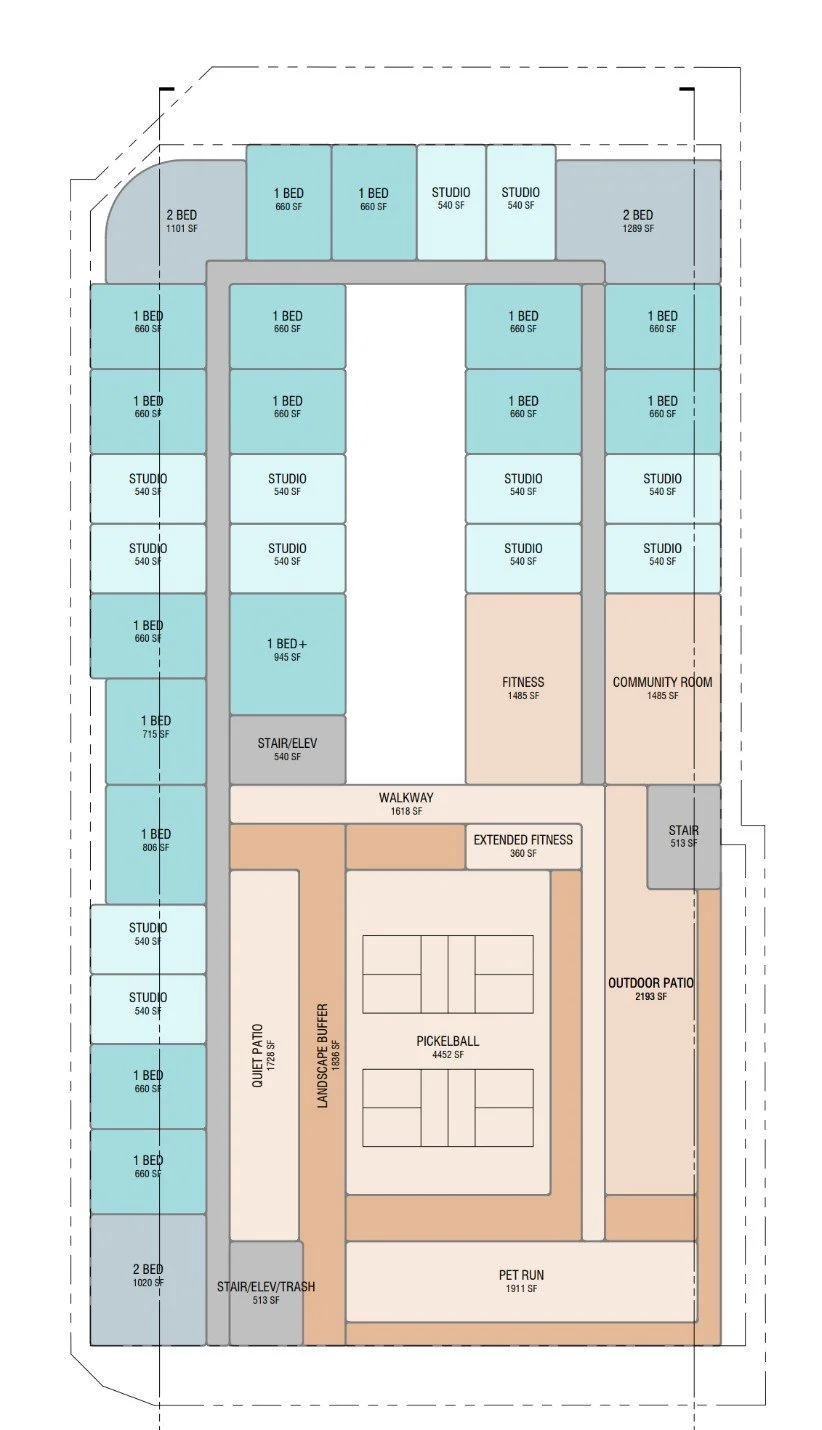
Visualizing the Big Picture
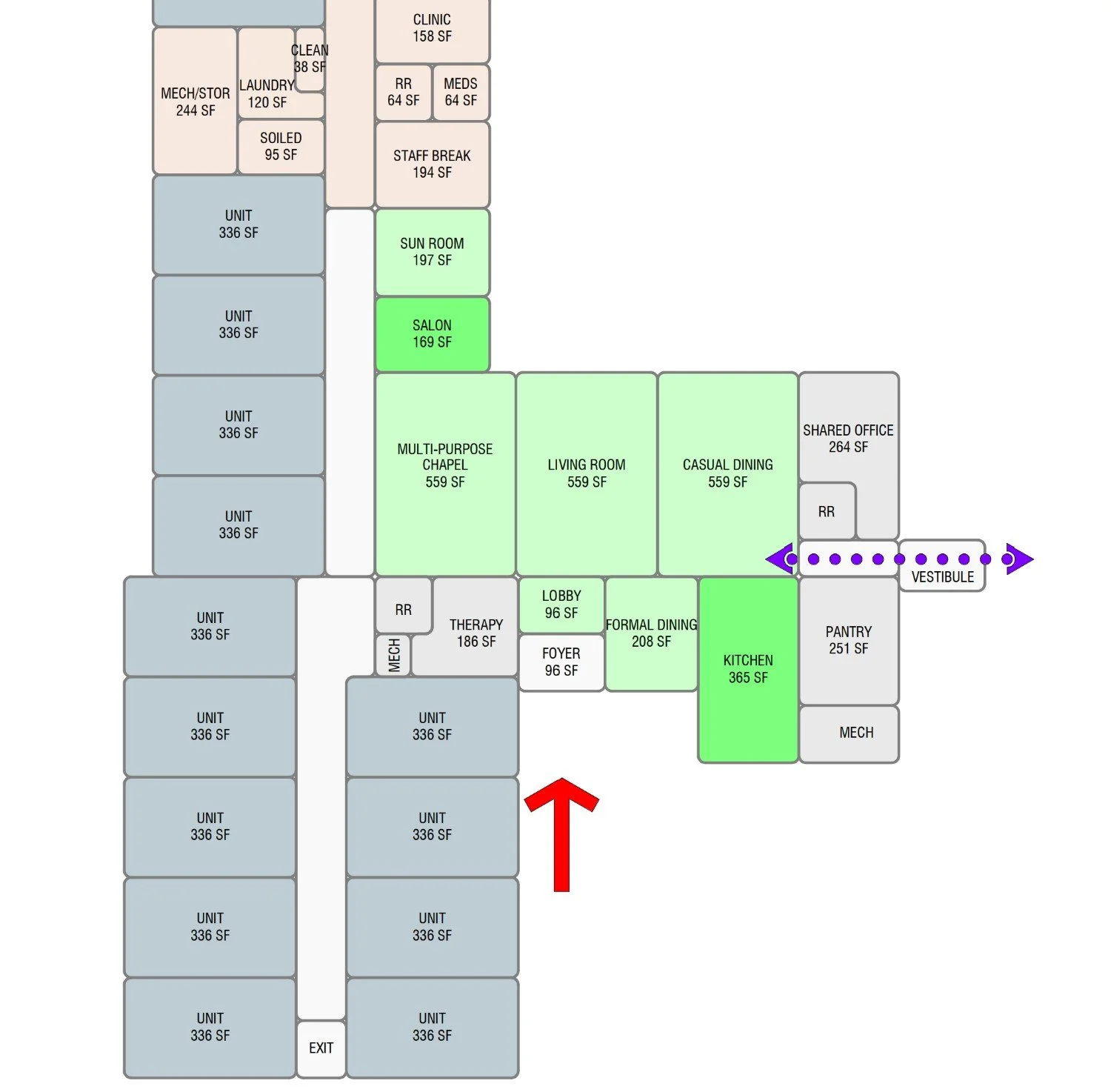
Schematic Design produces the first visuals that truly communicate the project: plans, elevations, massing studies, and sometimes immersive tools like virtual walkthroughs. These visuals help stakeholders understand the intent, scale, and experience of the building, not just how it works, but how it feels.
The Foundation for Everything That Follows
Schematic Design isn’t final, but it is foundational. It’s the phase where vision meets practicality, where strategy becomes form, and where clarity replaces assumption. When schematic design is done well, the rest of the process becomes smoother, more efficient, and more aligned with the project’s goals.
In many ways, this is the most important phase of the project because it’s where the right questions are asked, and the right direction is set.
