Where Multifamily Design Is Heading in 2026: Comfort, Community, and Efficiency
Multifamily design has become more than a response to market trends; it’s a reflection of how people want to live and how developers want their communities to perform over time.
After years of hybrid work, digital overload, and shifting lifestyles, residents are choosing homes more intentionally. They’re looking for places that feel comfortable, socially connected, and easy to live in. At the same time, developers are navigating tighter margins, higher construction costs, and long-term operational pressures.
Looking ahead, three design principles are shaping multifamily communities that lease well, operate efficiently, and hold their value: comfort, community, and efficiency.
1. Comfort: Designing Homes People Want to Stay In
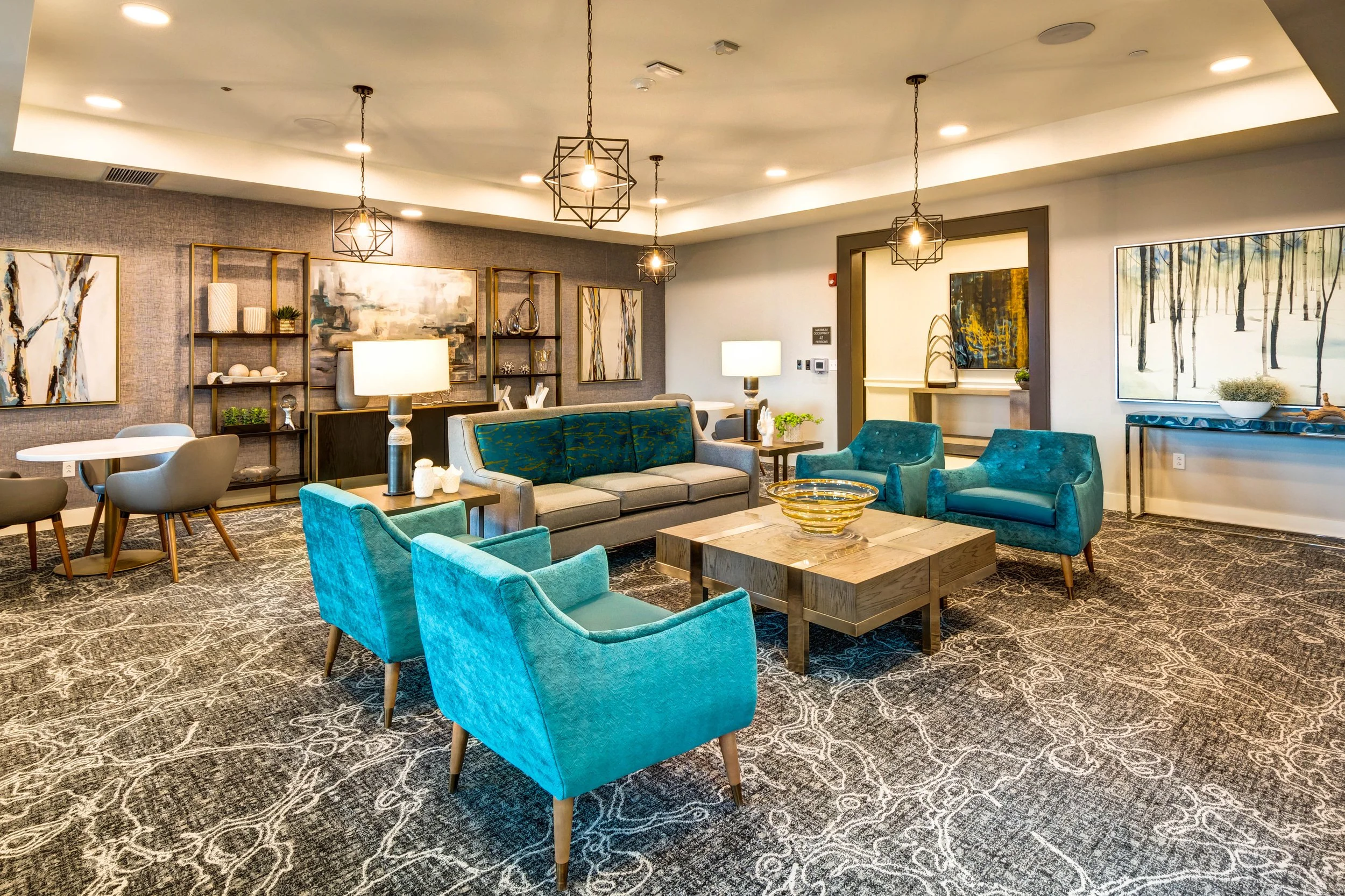
Comfort today isn’t about excess; it’s about ease. For residents, that means homes that feel calm, intuitive, and supportive of daily life. For developers, it translates directly to retention, rent resilience, and long-term stability.
Design strategies that support comfort include:
Warm, tactile materials that elevate perceived quality and create a sense of home without relying on high-maintenance finishes.
Thoughtful acoustic design that supports privacy and quiet, reducing friction and resident complaints.
Flexible layouts that adapt to hybrid work, evolving households, and changing routines, often without increasing unit size.
Wellness-minded details like natural light, biophilic elements, and small outdoor moments that improve livability at a modest cost.
When residents feel comfortable in their homes, they stay longer. In 2026, comfort isn’t an upgrade; it’s a foundation.
2. Community: Designing for Belonging, Not Just Amenities
Residents are no longer impressed by amenity lists alone. What they’re responding to now are communities that feel active, welcoming, and easy to engage with.
For developers, this is an opportunity to shift from quantity to quality, designing amenity spaces that truly get used and add value to the story of the project.
We’re seeing stronger performance from communities that include:
Right-sized gathering spaces that encourage everyday interaction rather than occasional events.
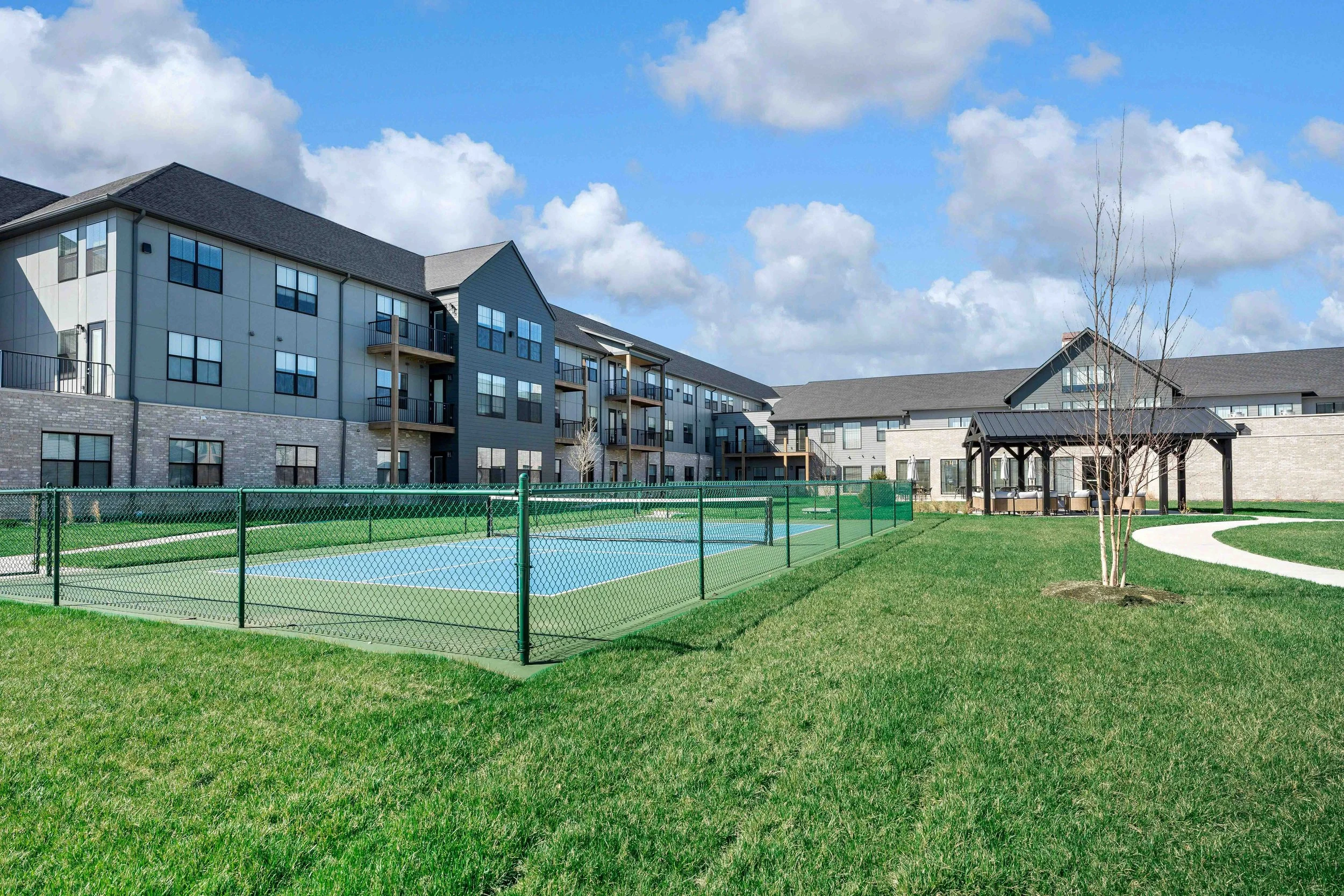
Hospitality-inspired lounges that feel comfortable and familiar, supporting use throughout the day.
Experience-driven amenities such as teaching kitchens, maker spaces, game rooms, and intimate coworking areas that reflect how residents actually spend their time.
Outdoor social spaces: courtyards, rooftops, patios, and fire pits, extending the living experience and encouraging people to linger.
Pet-forward design that naturally brings residents together and helps shape community culture.
Purposeful programming, supported by design, that helps operators activate spaces through classes, events, and resident-led groups.
Well-designed community spaces don’t just photograph well; they help people connect. And when residents feel a sense of belonging, they’re more likely to renew, recommend, and invest emotionally in the place they live.
3. Efficiency: Thoughtful Design That Protects Long-Term Value
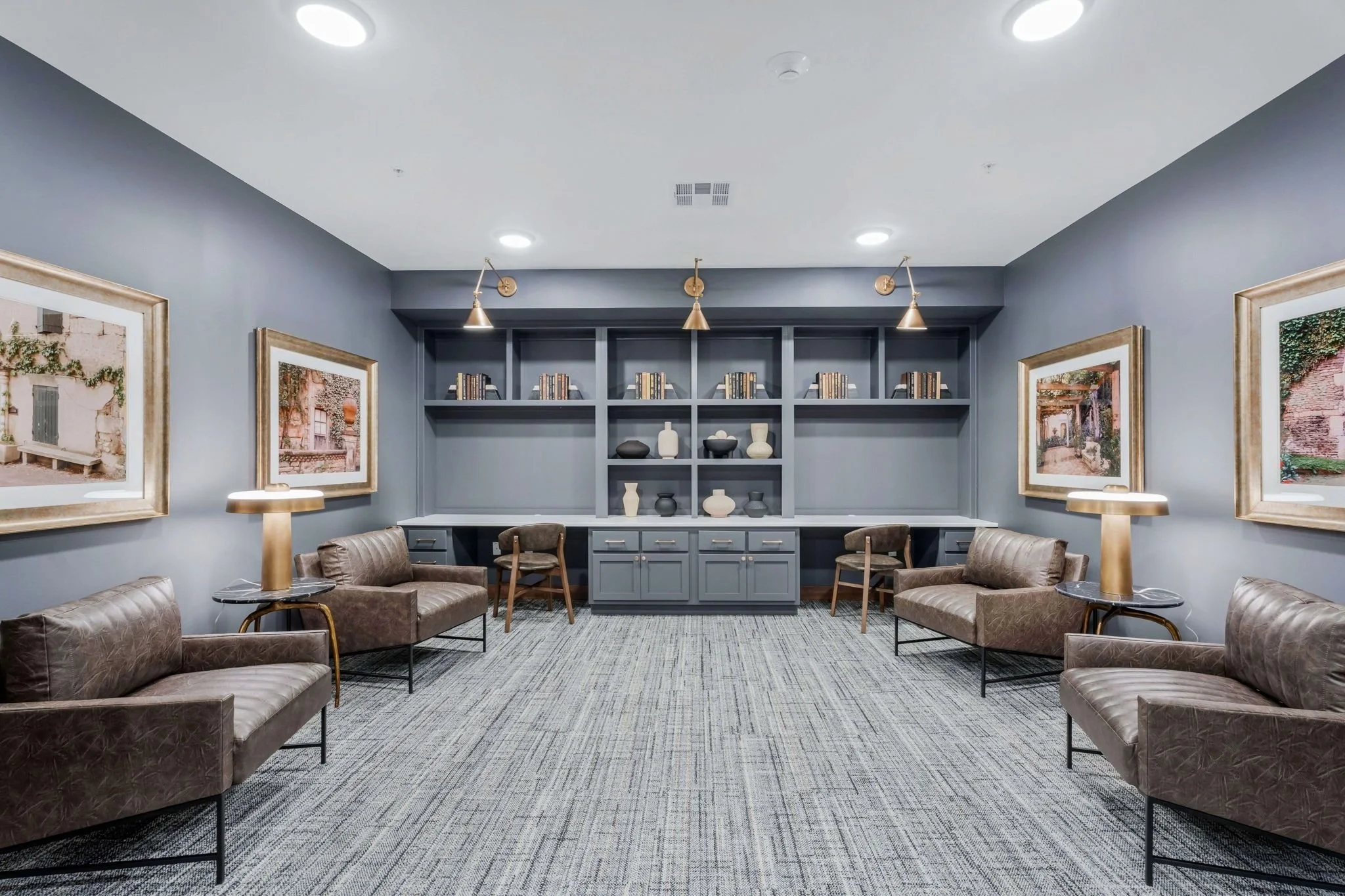
Efficiency remains a reality of doing business in 2026. But the most successful developers are showing that efficiency doesn’t have to feel lean or compromised; it can feel thoughtful, intentional, and even generous.
Design strategies supporting efficiency include:
Modular and repeatable planning approaches that reduce construction time and cost while maintaining design integrity.
High-performance systems and electrification that lower long-term operating expenses and future-proof assets.
Durable, sustainable materials chosen for longevity, not just first cost.
Data-informed amenity planning to ensure square footage is working hard and not sitting idle.
Smaller, smarter units with integrated storage, built-ins, and multifunctional elements that maximize livability per square foot.
Efficiency, at its best, is invisible to residents but invaluable to owners. It’s what allows a building to age gracefully and perform well over time.
Designing with Intention in 2026
The multifamily communities that stand out in 2026 won’t be defined by trend-driven aesthetics or oversized amenity decks. They’ll be defined by how they feel to live in and how well they perform year after year.
Comfort helps residents settle in and stay.
Community creates belonging and differentiation.
Efficiency protects margins and long-term asset value.
Together, these principles support a more human, resilient approach to multifamily development, one that respects both the people who live in these buildings and the developers who invest in them.
